


Introduction
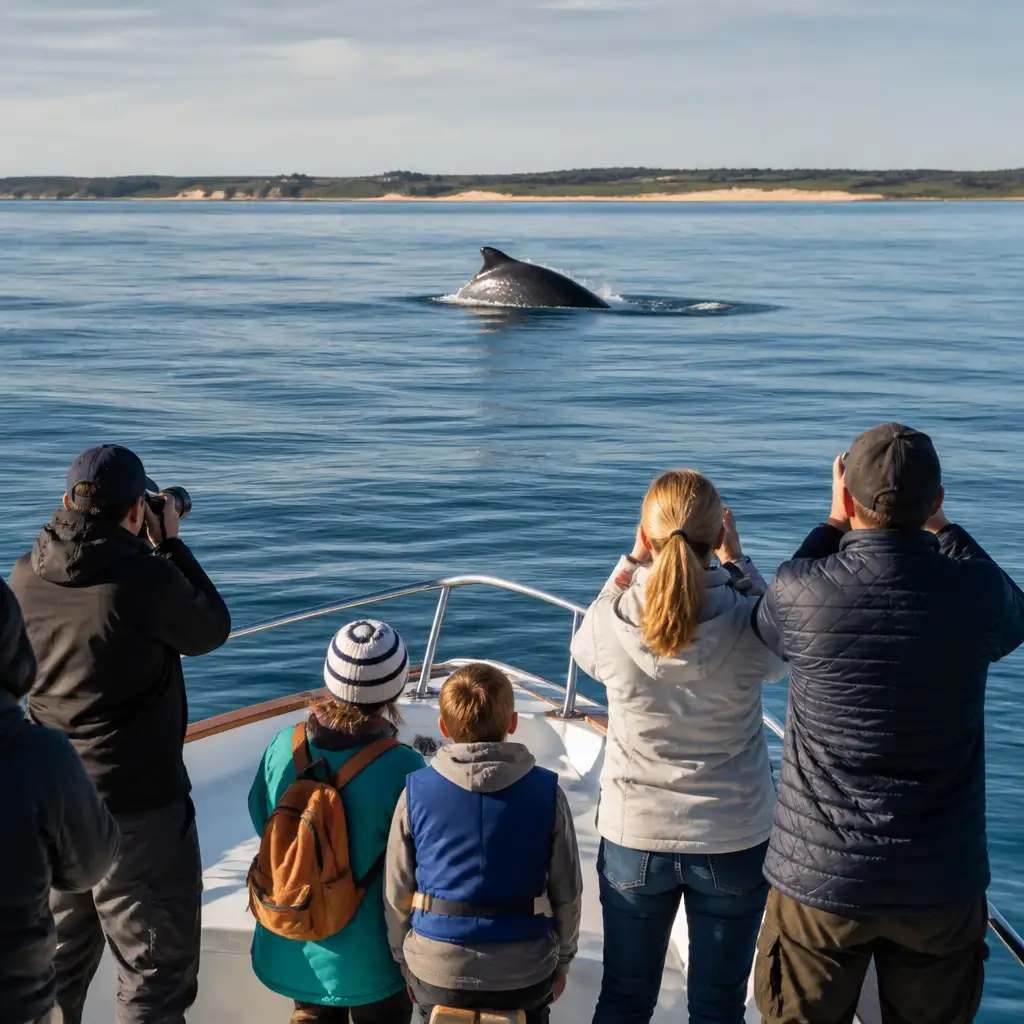
As the season approaches, families planning a Cape Cod getaway often think beyond beaches and fishing and start looking ahead to whale season. Off Chatham, Massachusetts, early autumn brings shifting water temperatures and bait movement that can concentrate marine life nearshore. That makes this a good time to begin planning family-friendly outings focused on marine wildlife observation rather than long offshore expeditions.
Whale watching in this region is variable: sightings depend on where the food is, weather, and boat traffic. Magic Fishing Charters offers guided, educational experiences that prioritise safety and conservation. When you plan ahead, you and your family can enjoy comfortable short tours that focus on learning about whales and other animals while keeping realistic expectations about sightings.
Below is a practical primer on what families should expect for early autumn whale activity near Chatham, how to prepare for short tours, and the best practices for respectful wildlife observation. If you are thinking of booking, consider timed planning now—short excursions often fill quickly as the season approaches.
Seasonal whale behaviour to expect
Early autumn on Cape Cod is a transitional period. Baitfish and krill move with cooling surface waters and changing currents, and that in turn influences where humpback, minke, and occasionally fin whales feed. As the season approaches, whale activity often concentrates where bait schools are dense, but those concentrations can change quickly from day to day.
Humpback whales are the species families most commonly hope to see during early autumn in the waters off Chatham. Their surface-feeding techniques—bubble-netting, lunge-feeding, and repeated breaching—make them highly visible when they are present. Minkes are smaller and more elusive; they may show brief blows or dorsal fins before diving. Right whales are rare visitors but are strictly protected, and crews will alter plans if right whale sightings are reported.
It is important to set realistic expectations: operators cannot guarantee sightings. Instead, look for operators who emphasise local knowledge and seasonal patterns. Local crews familiar with Cape Cod waters can interpret sea conditions and bait movement to find the best chances for on-water wildlife encounters while maintaining safe, conservation-minded practices.
Likely viewing areas off Chatham
Families should familiarise themselves with the general areas near Chatham where whales commonly feed during fall approaches. The waters around Monomoy and the Great South Channel are historically productive feeding grounds when bait is present. These areas can concentrate whales but may also be exposed to open-ocean conditions—crew judgement about safety and distance is critical.
Nearshore sightings sometimes occur in calmer conditions, particularly where currents funnel bait closer to shore. Short, family-friendly trips often remain in protected or nearshore waters to prioritise comfort and safety. If your priority is a long-range, offshore effort to chase feeding aggregations, plan in advance and be prepared for different vessel types and trip lengths.
Local knowledge matters: skippers who regularly run Chatham waters can suggest where moderate-length tours give families a comfortable mix of sighting opportunity and ease of access. For guests seeking tailored options, check the timing and type of trip that best matches your group’s tolerance for open-water conditions and your interest in marine education.
Short tours: safety and comfort for families
Short tours—often two to four hours—are a popular family option because they reduce exposure to rough conditions and keep young children comfortable. These trips focus on nearby feeding areas and other marine life such as seals, seabirds, and occasional porpoise encounters. They are an excellent way for families to experience whales without committing to a full-day offshore trip.
Safety is the first consideration. A professional crew will begin with a safety briefing that covers lifejackets, emergency procedures, and on-deck behaviour. Children should be accompanied by an adult at all times and fitted with appropriate flotation if recommended by the crew. If your family includes anxious or very young passengers, discuss accommodations with the operator before booking.
Comfort on short tours is maximised by choosing the right departure time (calmer morning hours are often preferable), bringing layered clothing, and planning for sheltered seating. Operators who run family-oriented excursions generally carry binoculars, provide commentary on wildlife behaviour, and emphasise observational etiquette so guests can enjoy sightings responsibly.
What to wear and pack
Layering is key in early autumn. Temperatures can be cool on the water even on sunny days. Pack a warm base layer, a fleece or insulated mid-layer, and a waterproof outer shell to block wind and spray. Hats, sunglasses, and sunscreen are still important—the glare off the water can be strong even as air temperatures fall.
Footwear should be closed, non-slip shoes; flip-flops and slick soles aren’t safe on a wet deck. For children, bring an extra set of warm clothing in a dry bag and a small snack and water—short tours limit how much can be consumed safely on deck, but having familiar snacks helps keep little ones comfortable.
Bring binoculars and a camera with a zoom lens if you enjoy photography, but avoid flash and sudden movements during sightings. A small daypack with motion-sickness remedies, tissues, and any required medications is useful. Operators usually provide lifejackets; ask ahead about sizing for infants and small children.
Seasickness prevention and tips
Seasickness is a common concern for families. Prevention starts before you board: get a good night’s sleep, avoid heavy meals or excess alcohol the day before, and stay hydrated. Over-the-counter remedies such as meclizine (Bonine/Antivert) or scopolamine patches can help; follow dosing guidance and consult a doctor for children or if you have health concerns.
Non-medical tactics include choosing a calm-weather departure, sitting mid-ship where motion is least noticeable, keeping eyes on the horizon, and getting fresh air. Ginger candies or ginger ale often help mild nausea. If a family member begins to feel unwell, let the crew know—professional skippers are experienced at managing comfort and can recommend the best places to sit or return to shore if conditions worsen.
Finally, plan realistically: if a family member is prone to severe seasickness, consider a very short nearshore trip or look for operators that offer sheltered tour options. Good planning reduces the chance that seasickness will diminish enjoyment of what can be a memorable experience observing marine wildlife.
Respectful observation and conservation etiquette
Responsible whale watching protects both animals and people. Follow the crew’s instructions at all times; they are trained to balance sighting opportunity with legal and ethical distances. Avoid loud noises, rapid movements, and sudden changes in position on the boat that might startle wildlife or create unsafe conditions for other passengers.
Use binoculars for closer views rather than attempting to approach animals. Keep cameras on silent and avoid flash photography; flashes can startle animals and other guests. If a whale approaches the vessel naturally, stay calm and let the crew manage the encounter. Never try to touch, feed, or throw anything into the water near marine mammals.
Conservation-minded viewing also means reporting concerns. If you observe entangled animals, injured wildlife, or a marine mammal in obvious distress, notify your crew—charter operators know contact protocols and have local reporting contacts. Choosing operators that emphasise education, adherence to NOAA guidelines, and local conservation initiatives helps support healthy marine ecosystems for future generations.
For families wanting to extend the learning, many operators offer guided programs and interpretive commentary that explain seasonal patterns, species behaviour, and what sighting trends mean for broader ecosystem health. These educational experiences are a core part of many marine wildlife tours and make the trip rewarding even on days without dramatic sightings.
FAQ
Q: When is the best time to plan early autumn whale watching off Chatham?
A: As the season approaches, late summer into early autumn can concentrate bait and bring feeding whales closer to Cape Cod. Now is the time to begin planning—bookings fill as families arrange fall trips. Keep in mind that whale activity depends on bait movement and weather, so flexible scheduling helps.
Q: What should families expect from a short charter in terms of safety and regulations?
A: Short charters focus on nearshore observation and comfort. Professional crews will provide a safety briefing, lifejackets, and guidance on behaviour around marine life. Operators follow local and federal guidelines; they will instruct passengers on safe distances and actions to take if a protected species is nearby. Ask your operator about specific safety protocols before booking.
Q: How do I choose a responsible operator and what should I ask before booking?
A: Look for operators with clear conservation policies, educational programs, and local knowledge of Chatham and surrounding waters. Ask about typical trip length, maximum passenger capacity, lifejacket availability for children, seasickness policies, and how the crew manages wildlife interactions. For families interested in broader Cape Cod experiences, consider operators who also run other seasonal trips; you can compare options for short, comfortable excursions that prioritise respectful viewing and education. For information on seasonal availability and services, check general information from Magic Fishing Charters and specific details on whale watching opportunities.
For guests who want to experience Cape Cod’s waters without fishing, Magic Fishing Charters offers seasonal marine wildlife and whale watching opportunities when conditions and timing are appropriate. Call 1-508-737-3367 to ask about upcoming tour availability and seasonal expectations.