


Introduction
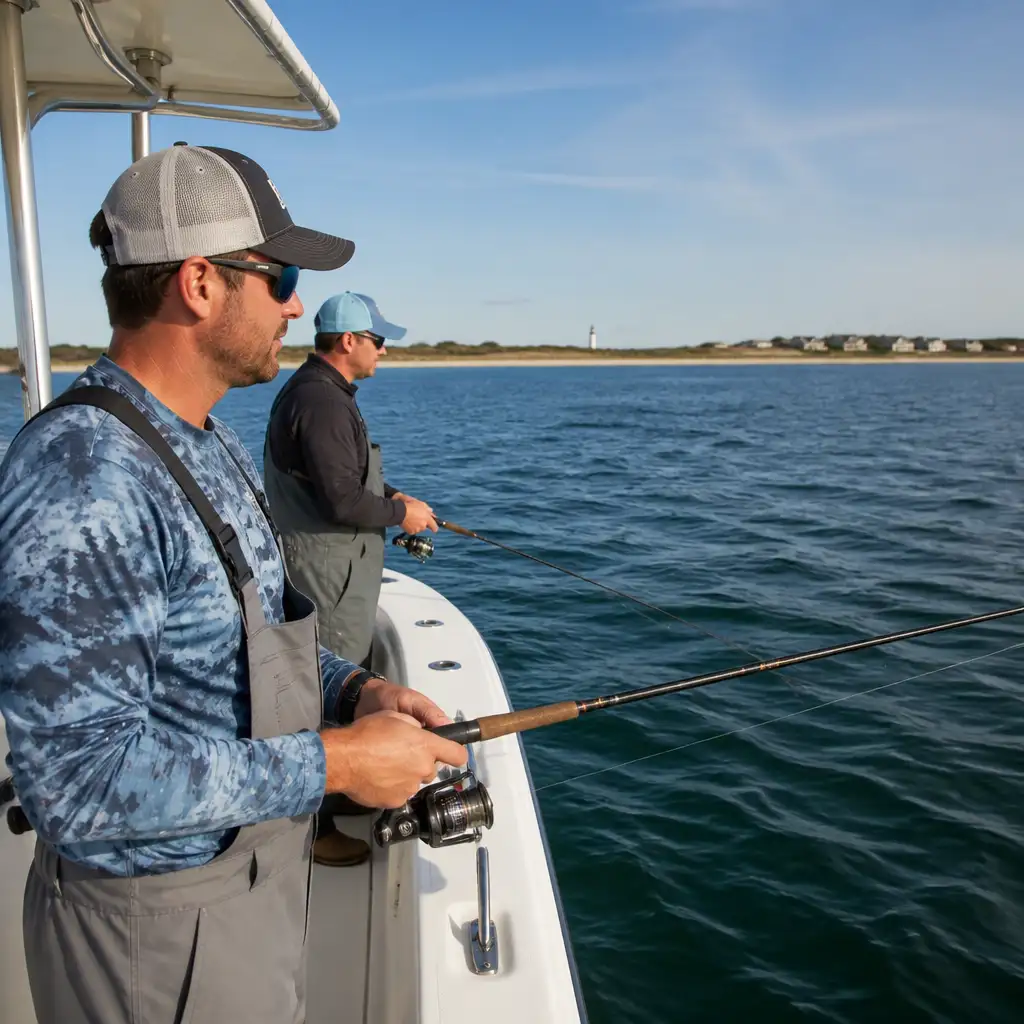
As the season approaches, anglers on Cape Cod should begin planning for the fall striped bass migration and the offshore opportunities that follow. From Chatham’s productive nearshore waters to the deeper Atlantic grounds, understanding timing, bait movement, and how to choose the right type of charter will make your trip safer and more enjoyable. Now is the time to begin planning realistic outings rather than expecting guaranteed catches; conditions and fish behaviour can vary from year to year.
Magic Fishing Charters operates from Chatham and brings local fishing expertise to every trip. Whether you are booking an inshore afternoon with friends or considering an offshore run for larger pelagics, early planning helps with permits, gear, and timing. If you are beginning your search for a local operator, a good place to start is a list of trusted Chatham fishing charters to compare availability and services.
This guide focuses on looking ahead to the upcoming fall season: when striped bass typically move, how bait and water temperatures influence feeding, the trade-offs between inshore, nearshore and offshore charters, recent regulation considerations, and practical packing and safety advice for trips departing Chatham. Anglers should begin preparing now to take advantage of the best windows of opportunity.
Timing and the Fall Striped Bass Migration
Looking ahead to the upcoming season, fall is when many anglers return to Chatham waters for some of the most consistent striped bass action of the year. As coastal waters cool, schools of bass follow concentrations of bait as they move along the coast and through Nantucket Sound and Vineyard Sound. In many years, the peak of the fall run occurs from late August into October, but timings can shift depending on temperature and bait availability.
Experienced local skippers monitor water temperatures and bait reports daily. A decline in surface temperature and the sudden appearance of sand eels, herring or peanut bunker nearshore often signals increased bass activity. Because these changes can happen quickly, anglers who plan ahead and keep flexible dates have the best chance to capitalise on productive days.
Remember that timing varies annually; some seasons bring earlier migrations while others push peak activity later. Many anglers find that booking a charter with flexible dates or an operator who can advise on short-notice shifts makes planning more effective. Magic Fishing Charters uses local knowledge to anticipate these windows and advise clients on the best times to head out.
Bait Movement, Water Temperatures and Fish Behaviour
Understanding bait movement is central to fall striped bass fishing. In autumn, schools of baitfish—particularly herring and sand eels—often move closer to shore as temperatures drop, attracting feeding bands of bass. These bait aggregations are frequently associated with tidal edges, rip lines, and structure where predators can feed efficiently.
Water temperature acts as a cue for predators and their prey. When surface waters cool below certain thresholds, bait tends to shoal in different layers, and anglers may need to adjust presentations accordingly. On many Cape Cod trips, that means switching between surface plugs, metal lures, and live or cut-bait tactics to match what the fish are taking on the day.
Local fishing guides watch weather patterns too. Wind direction, swell, and tide can concentrate bait or scatter it—affecting where bass will feed. This is where local expertise pays: a skipper familiar with Chatham’s tidal currents and the seams feeding through Nantucket Sound can often put anglers in the right area to try different techniques without wasting time searching adrift.
Choosing Inshore vs Nearshore vs Offshore Charters
Deciding between an inshore, nearshore or offshore charter depends on the species you want to pursue, the time you have, and the conditions expected. Inshore trips from Chatham focus on bays, flats and close coastal structure and are ideal for family trips and anglers who prefer shorter runs and calmer waters. Nearshore outings push a little further—often into the sounds and along feeding corridors—offering a mix of striped bass and bluefish action.
Offshore charters head into deeper Atlantic waters where your target species and tactics change. Fall offshore trips may target larger bass in addition to other pelagics like bluefin tuna when conditions allow. Offshore work requires more preparation, an eye on safety, and an understanding that sea states can be more variable. If you are weighing options, ask the operator about vessel type, expected transit times, and what species are most likely on the day.
For those unsure about which option suits their group, guided fishing charters provide a balance of experience and planning. A reputable charter will assess your group’s experience level, comfort with transit time, and seasonal patterns to recommend the best trip. Booking a trip that matches your objectives increases enjoyment and safety while offering realistic expectations for catch rates.
Recent Regulations and What Anglers Need to Know
Regulations for striped bass and other species can change year to year. As the season approaches, anglers should review federal and state rules, including size limits, bag limits, closed seasons and any specific regional restrictions. Some years see adjustments aimed at conservation, and staying informed helps ensure legal compliance and the long-term health of the fishery.
Charter operators in Massachusetts carry responsibility for following regulations and should brief clients on any relevant rules before departure. Recreational anglers should also carry required licences and understand reporting obligations where applicable. Vessel captains generally provide the most up-to-date guidance, but it’s wise for anglers to check state websites or contact their charter directly prior to a trip.
Conservation-minded practices—like selective handling, using circle hooks where appropriate, and releasing fish swiftly—help sustain the striped bass population. A good charter emphasises these practices and explains how clients can help. Anglers should expect their captain to prioritise legal compliance and conservation as part of every outing.
What to Pack and How to Prepare for a Trip from Chatham
Anglers should prepare for variable conditions in autumn. Evenings and mornings can be cool, and weather on the water can change quickly. Pack layered clothing, a waterproof shell, non-slip footwear, and sun protection. Carrying motion-sickness remedies, a refillable water bottle, and some snacks improves comfort for longer nearshore or offshore runs.
Think about tackle and bait. Many charters provide rods, reels and tackle, but bringing a personal rod or preferred lures can be helpful—check with your operator ahead of time. If you intend to use specific rigs or live bait, confirm whether the charter supplies them or if you should bring your own. For offshore trips, extra heavy-duty line and gear rated for larger pelagics may be recommended.
Logistics matter: arrive on time to the Chatham launch location, have any required licences ready, and discuss any medical or mobility needs with your captain before boarding. Confirm the expected duration and return time so family members or transport arrangements are aligned. When in doubt about what to bring, contact the operator—for many anglers the quickest step is checking with Magic Fishing Charters about trip details and gear recommendations.
Safety, Conservation and Local Knowledge
Safety always comes first. Captains assess sea conditions, tides and weather before departure and may advise rescheduling if conditions are unsuitable. Anglers should heed safety briefings, wear lifejackets when instructed, and follow crew directions. Longer offshore trips require particular attention to seasickness prevention, hydration and sun protection.
Local knowledge remains one of the most valuable assets when planning a trip from Chatham. A captain familiar with the currents of Nantucket Sound, the shoals near the elbow of Cape Cod, and seasonal bait movements can shorten search time and offer a more productive day on the water. This experience also feeds into safety decisions, such as where to shelter in variable weather.
Seasonal planning guidance is especially helpful for anglers reserving fall dates. Operators can highlight likely windows of opportunity, suggest suitable trip types for your group and explain recent regulation changes. Working with a local, conservation-focused charter supports sustainable fishing and provides the best chance of a memorable and safe outing.
FAQ
Q1: When is the best time in the fall for striped bass fishing from Chatham?
A1: Timing varies by year, but many years see increased activity from late August through October as water temperatures cool and bait moves shoreward. Anglers should begin planning now and remain flexible; local captains watch daily reports and can advise on the best dates.
Q2: How do I choose between an inshore, nearshore or offshore trip?
A2: Choose based on the species you want to target, your group’s comfort with transit time, and sea conditions. Inshore trips are shorter and family-friendly; nearshore trips offer mixed action in sounds and along feeding corridors; offshore trips target larger pelagics but require more preparation and safety considerations. Speak with your charter to match goals and conditions.
Q3: What should I expect from a guided charter regarding regulations and conservation?
A3: A reputable charter will brief you on current regulations, ensure the vessel complies with reporting and licence requirements, and practice conservation-minded handling and release techniques. Captains prioritise legal compliance and stewardship to protect fisheries for future seasons.
For more detailed enquiries about trip types and seasonal availability, contact the vessel operator directly. Magic Fishing Charters is available to discuss options and help anglers plan appropriate trips from Chatham, including inshore, nearshore and offshore possibilities. Booking early gives you the best chance to secure preferred dates as the fall season approaches.
The best Cape Cod fishing experiences often begin with good planning. Whether you are looking ahead to striped bass season, bluefish action, offshore tuna trips, or a family-friendly day on the water, Magic Fishing Charters can help you understand what to expect as the season approaches. Call 1-508-737-3367 to start planning your trip.