


Introduction
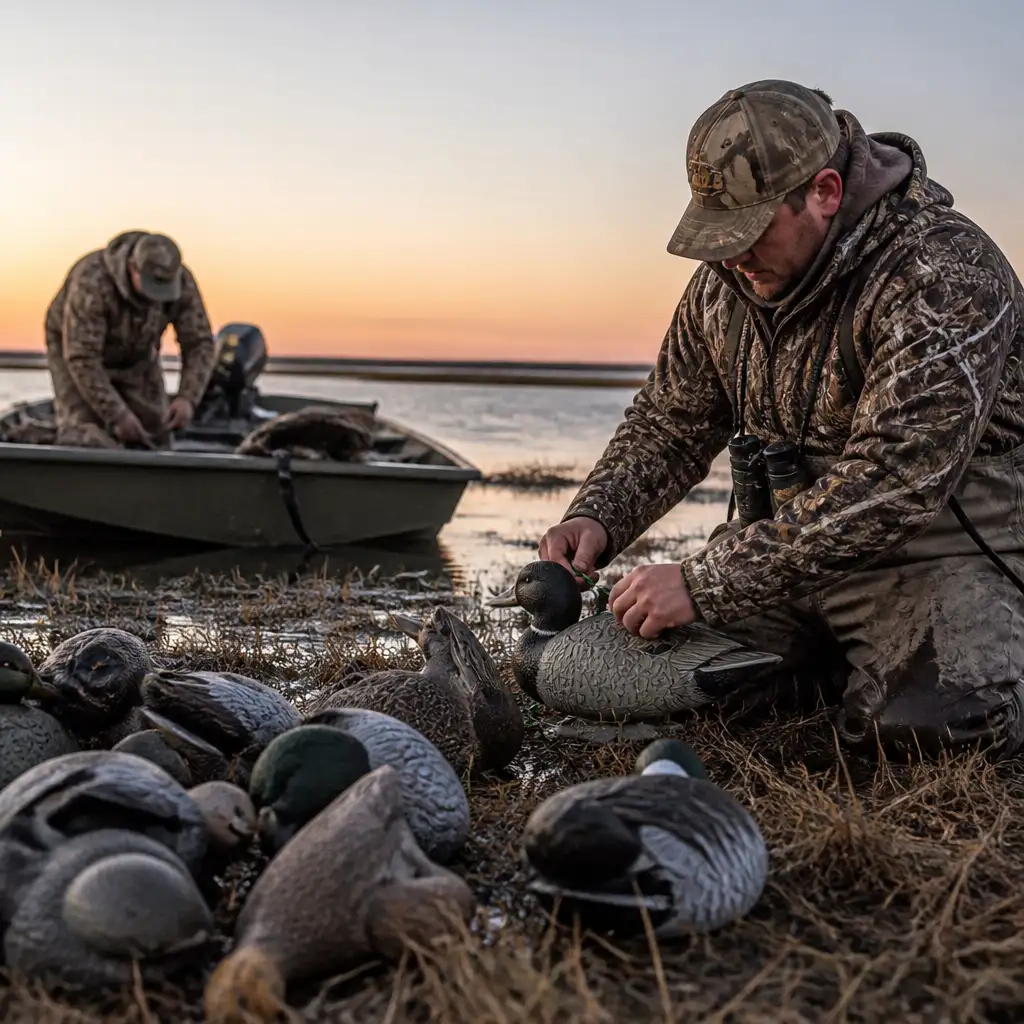
As the autumn season approaches, now is the time to begin planning for guided duck hunts on Cape Cod. Hunters travelling to Chatham and the surrounding shores should use the months before migration to confirm licences, review safety procedures, and get familiar with local tides and habitat types. Proper preparation helps ensure a safe, responsible, and enjoyable waterfowl season for everyone involved.
Magic Fishing Charters guides seasonal duck hunts out of Chatham, drawing on local knowledge of Nantucket Sound, Vineyard Sound, and nearby marshes. While conditions and bird movements can vary year to year, experienced guides can help hunters read local patterns and plan realistic trips. Visitors should expect practical instruction, conservative decision-making around weather, and a focus on conservation-minded practices.
This article covers the essentials hunters should address in the months leading up to the season: state and federal licensing requirements, safety checklists and boat considerations, the right gear and equipment, season timing, and ways to hunt that support habitat conservation. Read on for an experience-driven guide to preparing for autumn duck hunting on Cape Cod.
Licensing & Regulations
As the season approaches, confirm the licences and registrations required for lawful participation. In the United States, waterfowl hunting falls under both state and federal regulation. Most hunters need a state hunting licence issued by the Massachusetts Division of Fisheries and Wildlife (or the equivalent for non-residents), plus federal requirements such as the Migratory Bird Hunting and Conservation Stamp (the Federal Duck Stamp) and HIP registration (Harvest Information Program) where mandated.
Massachusetts may also require additional permits or endorsements for non-resident hunters; bag limits, season dates, and legal shooting hours are set annually and can change. Now is the time to visit the Massachusetts Division of Fisheries and Wildlife website and the US Fish & Wildlife Service pages to verify current season dates, limits, and any special local restrictions on wetlands or protected areas.
Guides provide valuable help with compliance: they understand local regulations, know where hunting is permitted, and can remind clients to carry the proper documents. However, each hunter is ultimately responsible for holding valid licences, carrying identification, and complying with seasons and bag limits. Double-check paperwork well before your trip so you can focus on safety and technique when you arrive.
Safety & Boat Considerations
Safety begins with the vessel. When planning guided duck hunts Cape Cod hunters should discuss boat type, passenger capacity, and safety equipment with their guide. Hunting in tidal marshes and shallow coastal waters requires a stable, shallow-draft skiff or duck boat with secure places to stow firearms and decoys. Confirm that the guide carries working bilge pumps, life jackets for every passenger, an EPIRB or marine VHF for emergency communication, and a first-aid kit.
Weather and sea conditions on Nantucket Sound and Vineyard Sound can change quickly. Now is the time to study local tide charts and typical autumn wind patterns; guides check forecasts daily and will adjust plans or cancel trips if conditions exceed safe operating thresholds. Hunters should bring appropriate cold-water clothing, waterproof layers, and footwear with good traction. Hypothermia is a real risk in cool, wet conditions—dress in insulated, moisture-wicking layers rather than cotton.
Firearm safety aboard a small vessel needs special attention. Keep firearms unloaded and actions open while moving, and use soft cases or secure scabbards for transit. Discuss safe loading and unloading procedures with your guide before approaching the blind or marsh edge. Guides will set up safe shooting positions and call clear cease-fire commands; understand and follow these instructions to reduce the risk of accidents.
Gear & Equipment Checklist
Now is the time to inventory and test equipment. Start with obvious items: a properly fitting hunting licence, HIP documentation, and the Federal Duck Stamp if required. Bring personal flotation devices, polarised sunglasses for glare reduction, and a charged mobile phone in a waterproof case. Binoculars and a rangefinder can speed target identification and retrieval decisions, and a simple spotting scope helps when glassing distant flocks.
On the firearms side, ensure your shotgun is in good working order and that you are compliant with non-toxic shot regulations—non-toxic (steel, bismuth, or other approved materials) is required for waterfowl in the United States. Practice patterning your loads at range so you know effective ranges and shot patterns. Bring tools for quick adjustments, spare chokes if legal, and ample ammunition stored dry and secure.
Decoys, anchors, and tackle are also worth a pre-season check: inspect decoy lines, inflation valves on floaters, and the integrity of anchors and anchor lines. If your guide supplies decoys and blinds, verify what they will provide and what you should bring. Many hunters prefer to bring a small pack with snacks, warm drinks in a thermos, waterproof gloves, and a retrieval pole or net to assist with bird recovery.
Season Timing & Cape Cod Weather
Looking ahead to the upcoming season, understanding timing is crucial. Autumn migration patterns influence duck presence along Cape Cod: many species move southward through Cape Cod’s coastal corridors, with peak movements often tied to weather fronts and cold snaps. Local knowledge of when dabblers or divers typically pass through can inform trip timing, and a guide’s experience reading wind and tide combinations matters for successful outings.
Cape Cod weather can be variable—mild days may see limited movement, while a northerly cold front can bring large concentrations of waterfowl into sheltered bays and marshes. As the season approaches, hunters should monitor forecasts and consult their guide about ideal conditions for the species they’re pursuing. Expect plans to be adjusted; safety and bird welfare should determine whether a hunt proceeds on a given day.
Also consider tide schedules. Many productive hunting areas are tidal flats and marsh edges; low tides can expose feeding areas and change where blinds are placed. Guides plan trips around tides to provide safe access and maximise opportunities while minimising disturbance to sensitive habitat. Discuss tide timing and access points with your guide when scheduling your hunt.
Conservation-Minded Hunting Practices
Responsible hunters play a key role in waterfowl conservation. As the season approaches, now is a good time to familiarise yourself with best practices that protect habitat and bird populations. Follow bag limits and species-specific regulations, avoid hunting in closed or sensitive areas, and retrieve all downed birds promptly. If you cannot recover a downed bird after reasonable effort, report the loss to your guide and, if applicable, to authorities.
Minimise habitat impact by using existing access channels, avoiding trampling of marsh vegetation, and choosing launch points that reduce disturbance to nesting or resting areas outside the season. Use decoy strategies that reduce wasted shots and avoid over-concentration of hunters in small areas. Many conservation organisations and state agencies publish tips on low-impact hunting—review these resources as part of your planning.
Supporting conservation can also be practical: purchase licences and stamps that fund habitat protection, consider volunteering with local restoration groups, and follow ethical meat use practices. Guides often partner with conservation efforts and will brief clients on local habitat concerns; respect their guidance and local signage regarding protected areas and seasonal closures.
Working with a Guide: What to Expect
Now is the time to confirm arrangements with a guide and clarify responsibilities. A professional guide provides local expertise, safe vessel operation, decoy and blind placement, and retrieval assistance. Magic Fishing Charters offers guided duck hunts from Chatham that blend local knowledge of Nantucket Sound and Vineyard Sound with safety-focused operation; hunters should confirm meeting points, what the guide supplies, and what personal gear to bring.
Discuss licensing and documentation ahead of the trip. While guides will remind clients of legal requirements, each hunter must carry valid licences and stamps. Confirm the cost per person, cancellation policies in the event of unsafe conditions, and any additional fees for transport or retrieval. Many guided trips include instruction on local species identification, non-toxic shot requirements, and humane harvest practices.
Expect practical pre-trip communication about weather and tides. Guides make conservative decisions about go/no-go calls based on safety and ethical considerations. If you have special needs or limited experience, tell the guide in advance—reputable guides tailor the day to the group’s skill level and emphasise education alongside field time. For general company information and to check availability, see the Magic Fishing Charters homepage for seasonal offerings and contact details.
FAQ
Q1: When do duck seasons typically open on Cape Cod, and how soon should I book a guided hunt?
A: Season dates vary annually and by species. As the season approaches, check state and federal regulations and book your guided hunt several weeks in advance—many guides fill quickly around peak migration. Booking early gives you time to confirm licences and prepare equipment.
Q2: What licences and stamps do I need for guided duck hunts Cape Cod?
A: Most hunters need a state hunting licence, federal duck stamp (where applicable), and HIP registration. Non-residents may require additional permits. Confirm requirements with the Massachusetts Division of Fisheries and Wildlife and enroll in HIP if required well before your trip.
Q3: What should I expect from a guided duck hunt, and what does the guide provide?
A: Guides typically provide a boat, local access knowledge, decoys, blind set-up, safety equipment, and retrieval help. Hunters should bring licences, appropriate clothing, personal flotation devices if preferred, and shotgun gear. Discuss details with your guide when booking to understand what is included and what you must supply.
Planning ahead for guided duck hunts on Cape Cod? Magic Fishing Charters offers seasonal duck hunting opportunities for licensed hunters during regulated hunting seasons. Duck hunts are $300 per person. Call 1-508-737-3367 to discuss scheduling, licensing, safety, and seasonal availability.