


Introduction
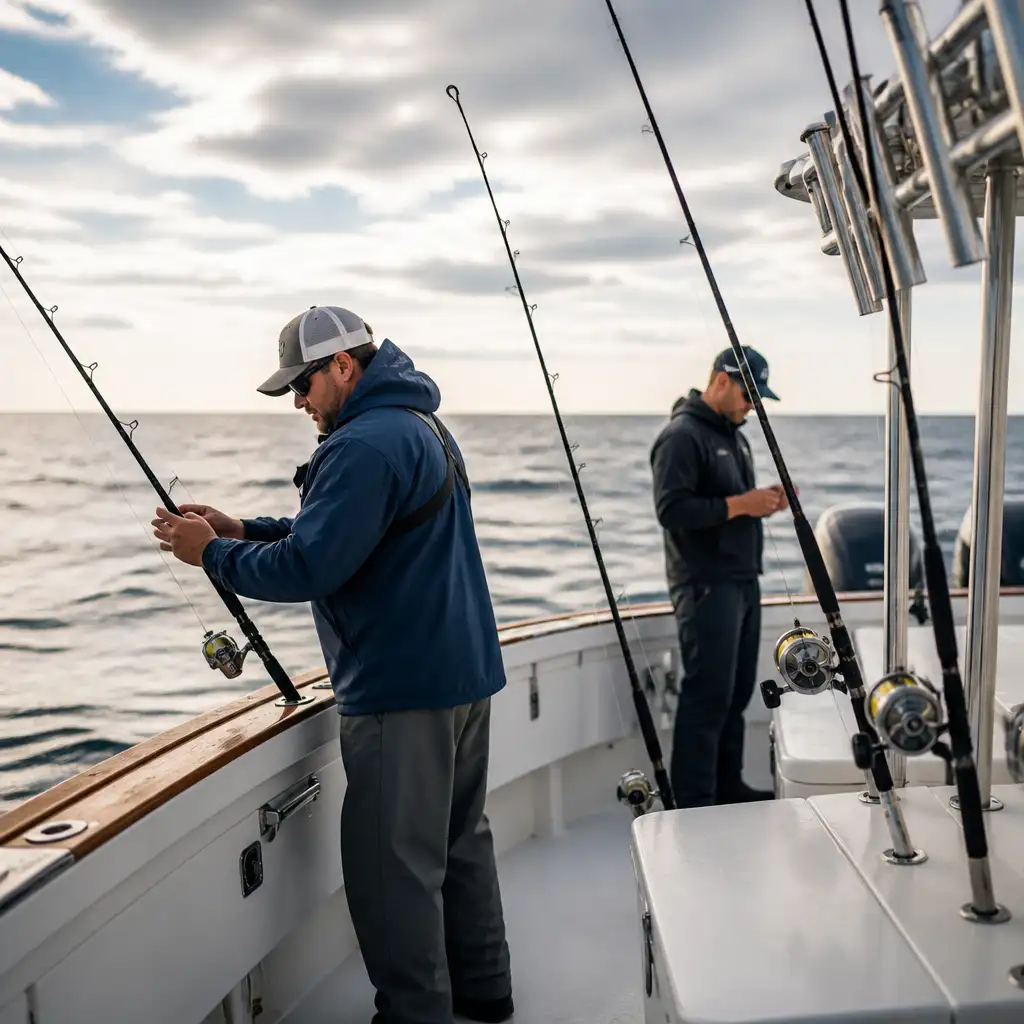
As the season approaches, anglers based in Chatham and across Cape Cod should begin planning for autumn bluefin tuna fishing. Bluefin are one of the most sought-after offshore species in New England, and successful trips rely as much on preparation, safety and local knowledge as they do on breakaway moments at the end of a bent rod. Now is the time to begin planning your trip to make the most of available days when conditions and migration patterns align.
Magic Fishing Charters operates guided trips from Chatham into Nantucket Sound, Vineyard Sound and offshore Atlantic waters when conditions allow. If you are considering a tuna trip this autumn, reviewing gear lists, bait strategy, and sea-condition planning will increase comfort and learning onboard, even though no charter can guarantee a catch. For general booking and seasonal questions, consider Cape Cod fishing charters as a starting point for planning.
This guide is written for a range of anglers — from those stepping offshore for the first time to experienced fishermen wanting a refresher on best practices for targeted bluefin tuna fishing off Cape Cod. It emphasises realistic expectations, safety briefings, conservation-minded practice and the kind of local expertise you should expect from your captain and crew.
Essential Offshore Gear and Rigging
Preparing for bluefin season begins with the right rods, reels and terminal tackle. Offshore bluefin trips typically use heavy conventional reels in the 30–130 class depending on target size and fishing style, paired with stout rods rated for tuna. Lighter tackle can be used for smaller fish or when chunking inshore, but offshore Atlantic waters often require heavier gear to handle longer runs and rougher seas.
Leaders and terminal tackle should be robust: wire or heavy fluorocarbon leaders, quality swivels, and strong snap swivels reduce the chance of break-offs. Braided mainlines in the 50–130 lb range are common; leaders of 200–400 lb test are used for larger tuna. Bring spare spools, pliers, gloves, and a basic tackle assortment — gaffs and tail ropes should only be handled by experienced crew under the captain’s direction.
For anglers new to offshore trips, ask your charter what is provided and what you should bring. Many Cape Cod charter operators supply rods, reels and basic terminal tackle, but bringing personal items such as non-marking shoes, layered waterproof clothing, sunscreen and sea-sickness remedies helps you stay comfortable. Local fishing experience from a captain familiar with Chatham fishing charters can shorten the learning curve.
Bait, Tackle and Trolling vs Chumming
Understanding bait and the common methods used for bluefin tuna fishing is critical. Bait patterns in fall can change quickly — schools of herring, mackerel and larger baitfish move with water temperature and current. Trolling with large lures and spreader bars can cover water and locate fish, while live baiting and chunking (chumming) are used to hold fish in the bite once located.
When targeting bluefin, many charters use a combination approach: troll to find active fish, then switch to live-bait or chunking when fish are feeding. Rigging live-bait setups requires quick hook-ups and efficient crew work; angler positioning and readiness matter. If you want to practise a specific technique, discuss it when booking so the crew can plan gear and bait appropriately.
Because bait availability and behaviour change with each season, captains rely on local knowledge and recent reports. Before booking, ask about recent bait sightings and whether your chosen date is likely to be inside Nantucket Sound or further offshore into the Atlantic. For deeper offshore trips, bring expectations for longer runs and increased fuel and time requirements — this affects how bait is handled and how long the crew can work a bite.
Reading Sea Conditions: Nantucket Sound to the Offshore Atlantic
Sea conditions off Cape Cod vary widely. Nantucket Sound and Vineyard Sound offer shelter on calmer days and can hold productive bait schools near the shoals, but many of the larger bluefin move to the offshore Atlantic waters as temperatures and currents change in autumn. As the season approaches, anglers should pay attention to swell, wind direction and sea state when choosing charter dates.
Skippers set trips based on safety margins and the group’s comfort. Offshore Atlantic waters are more exposed; longer runs mean more time transit and less time working fish if sea conditions deteriorate. Check local forecasts, but trust the captain’s day-of decision — safety first. If conditions suggest a rough ride, a captain may recommend rescheduling or opting for a nearshore alternative.
When planning, consider travel time from Chatham to likely fishing grounds and whether you are prepared for a full day on the water. For many anglers, starting with a nearshore trip in Nantucket Sound to practice techniques and gain experience with live-baiting before committing to a longer offshore tuna trip is a sensible path.
Safety Briefings, Crew Roles and Emergency Planning
Every offshore trip should begin with a clear safety briefing. Captains should outline life jacket locations, movement on deck, gaff and hook safety, and what to do in the event of a medical emergency or man-overboard scenario. Crew roles are important: the captain navigates and manages safety, deckhands handle gear and fish handling, and anglers focus on fishing while following crew instructions.
Marine radios, EPIRBs, life rafts, and well-maintained fire extinguishers are standard equipment on responsible charter boats operating in offshore Atlantic waters. If you have a medical condition or take prescription medication, inform the captain when booking. Knowing the basics of first aid, staying hydrated, and managing sea sickness are practical steps that improve the experience for everyone onboard.
Conservation and safety intersect when handling large fish. Many charters practise careful handling to maximise post-release survival when fish are released, and all legal regulations must be followed. The captain will advise on safe ways to gaff, bring fish alongside the boat, or tag-and-release when appropriate. These discussions are part of the safety briefing and should be expected before any bluefin tuna fishing trip.
Setting Realistic Expectations for Chatham Anglers
Anglers should begin preparing with realistic expectations. Bluefin tuna are migratory and their presence near Cape Cod depends on a mix of water temperature, bait movement, currents and broader Atlantic conditions. Many anglers experience outstanding days, and others return home learning a lot — both outcomes are part of offshore fishing. No charter should guarantee a catch.
Trip duration, the number of anglers aboard and weather windows all influence the likelihood of encountering bluefin. Discuss group size and experience with your captain; smaller groups often mean more rod time per angler, while larger groups require efficient crew management. If you are new to offshore trips, consider a first trip focused on learning rather than a strict expectation of a trophy fish.
Magic Fishing Charters and other local operators base their plans on seasonal patterns and recent reports. If your main goal is to target bluefin specifically, ask about recent trips and the captain’s assessment of upcoming migration timing. For broader charter options or to compare trip types, searching for bluefin tuna fishing opportunities on the company’s site can help you choose the right charter type for your goals.
Practical Trip Planning: Dates, Weather and Conservation
Now is the time to begin planning your autumn tuna trip: popular dates book up, and captains arrange bait, fuel and crew schedules in advance. When selecting dates, keep flexibility — a captain may recommend moving a trip a day or two for better conditions. Consider travel time to Chatham and whether you need accommodations nearby for early departures.
Conservation-minded anglers should be familiar with federal and state tuna regulations, size and quota rules, and tagging programmes. Responsible fishing includes following bag limits, reporting tagged fish, and listening to the captain’s guidance on safe handling. These practices protect the fishery for future seasons and align with Magic Fishing Charters’ conservation values.
For help planning your trip, discuss specifics with the charter operator. If you are arranging a mixed-purpose trip — for example combining wildlife viewing or a family-friendly nearshore day with an offshore tuna option — talk through expectations so the captain can advise on the best approach. For general trip planning resources and booking, consider planning your fishing trip with experienced local operators who understand Chatham and broader Cape Cod conditions.
FAQ
Q: When is bluefin tuna season near Cape Cod and Chatham?
A: Seasonality varies year to year, but autumn often brings strong tuna opportunities as fish move through Nantucket Sound and offshore Atlantic waters. As the season approaches, captains and anglers watch water temperature and bait movement to time trips. No specific date is guaranteed; plan with flexibility.
Q: How should I prepare if I’m new to offshore tuna fishing?
A: Start with the right clothing, sea-sickness remedies, and an understanding that offshore trips can be long and physically demanding. Practice knot-tying and listen closely during the safety briefing. Book a trip with a captain who emphasises education and realistic expectations so you can learn without pressure.
Q: What should I expect from a charter regarding conservation and regulations?
A: Professional charters follow federal and state rules, enforce bag and size limits, and practise safe handling and careful release when appropriate. Ask your charter about tagging programmes, reporting requirements, and how they balance a good fishing experience with conservation. Guided duck hunts and other seasonal trips also follow strict regulations and safety practices.
Interested in offshore bluefin tuna fishing from Cape Cod? Magic Fishing Charters plans tuna trips around seasonal conditions, safety, regulations, and realistic expectations. Call 1-508-737-3367 or visit charterfishingcapecod.com to ask about upcoming tuna charter availability.