


Introduction
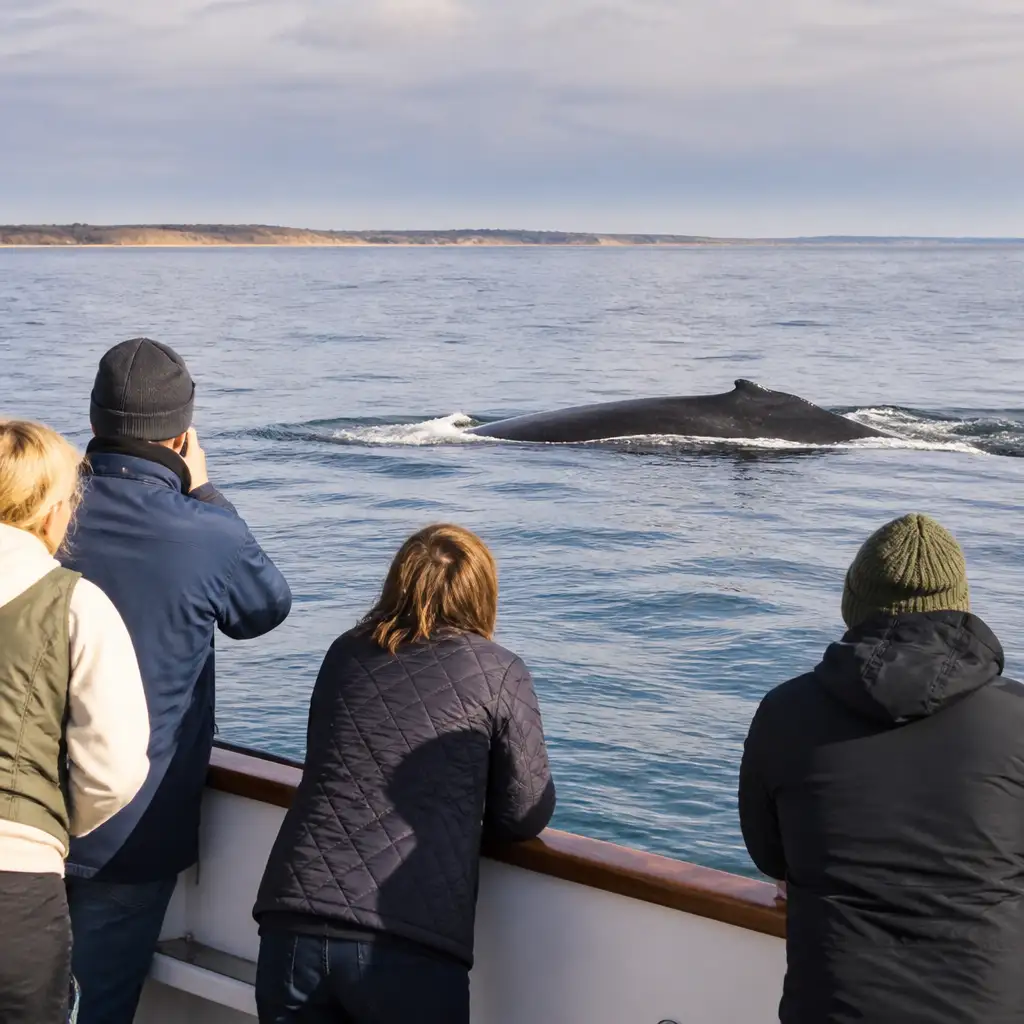
Looking ahead to late autumn, families and non-anglers planning marine wildlife tours around Chatham and the broader Cape Cod area should begin preparing now. Late autumn brings notable shifts in marine life behaviour, water temperature, and bait movements in Nantucket Sound and Vineyard Sound that affect whale watching conditions and the kinds of encounters visitors might expect.
As the season approaches, realistic expectations and sensible planning matter more than ever. While whale watching Cape Cod remains a memorable experience, sightings depend on migrating whales, local forage, weather and sea conditions. Magic Fishing Charters emphasises safety, education and conservation during every tour, and now is the time to begin planning if you hope to visit in late autumn.
This guide explains seasonal patterns in late autumn, how whales and other marine mammals typically behave, what changes in forage we watch for, timing and safety considerations for family-friendly tours, and conservation-minded viewing practices to keep the experience responsible and enjoyable.
Late-autumn changes in Nantucket Sound and Vineyard Sound
Late autumn brings cooling water temperatures and shifts in tidal flows that influence where bait concentrates in Nantucket Sound and Vineyard Sound. These changes can redistribute fish schools, which in turn affects where whales and dolphins choose to feed. In many years we see bait move offshore or concentrate along channel edges and nearshore bars, and those patterns are worth watching when planning tours.
Because currents and wind patterns can change rapidly as the season approaches, trip timing and flexibility matter. Operators who know local currents and seasonal trends can adjust routes to follow likely forage zones rather than fixed sighting spots. That local knowledge helps create better educational experiences for families and non-anglers who want to learn about the ecosystem, rather than expecting guaranteed close encounters.
From Chatham and other access points, small changes in departure times or route choices — driven by weather and forage reports — often make the difference between a calm, informative cruise and a bumpy, less productive outing. When you begin planning, ask about recent sightings, likely routes and the operator’s contingency plans for changing conditions.
What to expect from whales and marine mammals in late autumn
Whale species commonly encountered in the Cape Cod region include humpback, minke and fin whales; harbour porpoise, common dolphins and seals are regular year-round presences. In late autumn, large baleen whales often adjust migratory timing and feeding behaviour to match forage availability. Some years bring increased movement into or out of Nantucket and Vineyard Sounds, while other years show a quicker offshore migration toward warmer waters.
Expect varied behaviour: surface feeding, tail slaps, breaching and longer dive cycles are all possible, but frequency depends on prey density and weather. Smaller cetaceans like dolphins and porpoises may be more consistently visible, especially around bait schools. Seals are commonly seen hauled out or bobbing nearshore — they are part of the marine tableau and important indicators of local food chains.
Keep in mind that sightings can be brief or distant, and responsible operators prioritise safe distances and non-disruptive observation. Whale watching Cape Cod is best enjoyed as an educational activity: natural history, species identification and explanations of how changing seasons affect marine life are as valuable as close sightings.
Shifting forage patterns and how they affect sightings
Forage species — sand lance, herring, mackerel and squid — drive where predators concentrate. Late autumn often sees these forage species move with temperature layers and currents; sand lance may move into sheltered inshore pockets while herring schools may push along channel edges. These movements can pull whales inshore temporarily or lead them offshore depending on local conditions.
Tour operators rely on reports from local anglers, scientific sampling and on-water observations to locate feeding aggregations. This local fishing and forage intelligence is one reason experienced guides matter: their ability to read the water and interpret bait behaviour improves the likelihood of productive observation periods without disturbing marine life.
If you’re interested in planning your trip with the best chance of seeing active feeding, ask prospective operators about recent forage reports and how they monitor bait movement. Linking trip plans to forage forecasts is part of good season planning and helps set realistic expectations for families and non-anglers alike.
Best timing and trip planning for family-friendly whale watching
Late autumn tours require more planning than summer outings because weather windows are narrower and daylight hours shorten. Now is the time to begin planning dates well in advance and to look for operators who offer weather-flexible scheduling or clear cancellation and rescheduling policies. Small groups and shorter tours can be more comfortable and enjoyable for families with younger children.
Consider departure times that avoid the briefest windows of rough water; mornings can be calmer in some seasons, but local conditions can vary day to day. Bring layered clothing — windproof and waterproof outer layers are essential — and pack sea-sickness remedies if you or family members are prone to motion sensitivity. Operators with family experience can suggest suitable tour lengths and timing for different age groups.
Magic Fishing Charters and other local providers often combine education with viewing, pointing out behaviours, explaining species differences and describing conservation issues. For families and non-anglers, these educational elements make a trip memorable even if whales remain distant on a given outing. If you want to explore options, check the company site for seasonal wildlife tours and current availability.
Safety considerations and sea conditions for late-autumn tours
Safety should be the primary concern when scheduling late-autumn marine tours. Cooler air and water temperatures increase the risk associated with unexpected immersion or prolonged exposure. Lifejackets should be available and used as advised, and operators should brief passengers on safety procedures, boarding and disembarking protocols, and how to behave around wildlife.
Sea conditions can change rapidly; reputable operators check forecasts, wind models and local buoy data before departures and have conservative go/no-go criteria. For families, confirm that the operator runs shorter or sheltered-water options when conditions look marginal, and ask about contingency plans. Having flexible travel dates and arriving prepared with appropriate clothing reduces stress on the day.
Experienced guides balance the desire to find active wildlife with the obligation to keep passengers safe. That balance sometimes means turning back early or shifting to coastal sightseeing when conditions deteriorate. Those are the kinds of realistic decisions that protect passengers and wildlife while still offering an informative Cape Cod experience.
Conservation-minded viewing practices and local regulations
Responsible whale watching focuses on observing without disturbing. Maintain recommended approach distances, avoid sudden speed changes around whales, and never attempt to feed or touch marine mammals. These practises reduce stress on animals and keep both wildlife and passengers safer. Federal and state guidelines outline minimum distances and operational limits for commercial vessels and should be followed at all times.
Operators also play a role in reporting entanglements or sick animals to the appropriate authorities. If your tour witnesses signs of distress, a conscientious captain will document location and behaviour and report to marine mammal stranding networks. Supporting operators who prioritise conservation helps keep Cape Cod’s marine ecosystems healthy for future seasons.
When choosing a tour, ask how the operator approaches conservation, what training crew members have in marine mammal identification and response, and whether they include educational commentary during trips. These factors make a big difference in both the immediate experience and the long-term stewardship of Nantucket Sound and Vineyard Sound.
Frequently Asked Questions
Q1: How does seasonality affect whale watching in late autumn?
A1: Seasonality influences water temperature, bait distribution and whale migratory timing. As the season approaches, many species adjust feeding locations or move offshore. Sightings can still occur in Nantucket Sound and Vineyard Sound, but frequency and distance to shore vary by year and conditions.
Q2: What should families plan for when booking a late-autumn tour?
A2: Now is the time to begin planning dates and to select an operator with clear weather and cancellation policies. Pack warm, layered clothing, bring motion-sickness remedies if needed, and choose family-friendly tour lengths. Confirm that the operator offers educational commentary and safe practices for children.
Q3: What can I expect from a charter regarding wildlife sightings and regulations?
A3: Reputable charters prioritise safety and conservation, do not guarantee sightings, and operate within federal and state guidelines for approach distances and conduct. They use local knowledge to find likely forage zones and provide an educational experience even if whales remain distant.
For guests who want to experience Cape Cod’s waters without fishing, Magic Fishing Charters offers seasonal marine wildlife and whale watching opportunities when conditions and timing are appropriate. Call 1-508-737-3367 to ask about upcoming tour availability and seasonal expectations.