


Introduction
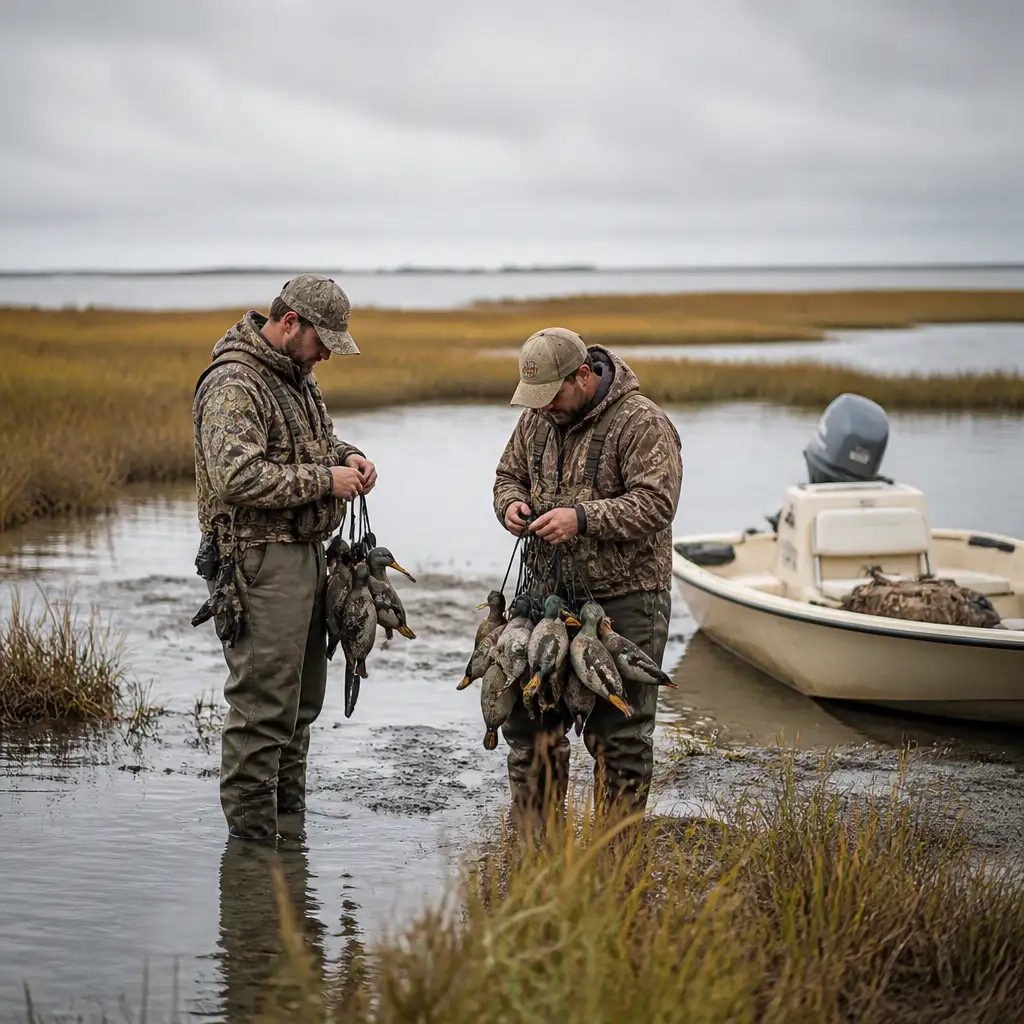
As the season approaches, hunters and guides on Cape Cod are beginning to look ahead to the autumn waterfowl season. Hunters should start planning for responsible, regulation-compliant outings that protect the habitats ducks and other wetland species depend on. For licensed hunters considering guided options, understanding how guided duck hunts on Cape Cod fit into broader conservation efforts is an important part of seasonal preparation.
Now is the time to begin planning equipment checks, licence renewals, and conversations with guides about local conditions. Conditions in Chatham and along Cape Cod can change quickly in autumn—tidal schedules, migratory patterns, and weather all influence where hunts are safe and sustainable. Guided duck hunts can help reduce impact by concentrating activity where access and habitat considerations have been assessed by experienced operators.
Looking ahead to the upcoming season, realistic expectations matter: harvest rates vary with migration, habitat condition, and weather. This article explains habitat stewardship, practical post-harvest practices, federal and state regulatory basics, safety considerations, and why choosing guided options can support conservation on Cape Cod. If you are considering guided trips or need seasonal advice, Magic Fishing Charters offers guidance rooted in local knowledge and conservation-minded practice.
Autumn Waterfowl and Cape Cod Wetland Habitat
Autumn is a critical period for waterfowl across Cape Cod. Migratory species use coastal marshes, estuaries and sheltered bays in Nantucket Sound and Vineyard Sound as stopover and feeding sites. Mudflats and eelgrass beds provide food, while sheltered inlets offer roosting habitat. Habitat condition in late summer and early autumn often determines how and where ducks concentrate on the landscape.
Hunters should start planning with habitat in mind: reduce disturbance to sensitive areas such as nesting islands, migratory staging areas and freshwater ponds that support moulting and pre-migration conditioning. Avoid driving or walking across marsh vegetation, and use established access points wherever possible to limit trampling and erosion. Good habitat stewardship preserves the same resources that sustain future seasons.
Local conservation groups and state agencies monitor wetland condition; hunters can support these efforts by reporting habitat concerns observed during scouting or trips. Small actions—sticking to marked channels, packing out debris, and avoiding disturbance of waterfowl outside established hunting hours—help maintain the ecological balance of Cape Cod wetlands for other wildlife and for future hunting seasons.
Federal and State Regulations Every Hunter Should Know
Waterfowl in the United States are protected under the Migratory Bird Treaty Act and managed in coordination with state agencies. Federal harvest limits, species-specific regulations, and season dates are set to align with population biology and conservation objectives. In Massachusetts, the Division of Fisheries and Wildlife sets state-specific rules that work within the federal framework.
Before heading out, confirm federal banding, bag limits, species identification requirements, and season dates. Some species have differential limits or are protected in certain zones. Hunters should carry current documentation and ensure their licence, stamps and any required permits are valid. Violations can carry significant penalties and undermine conservation efforts.
Guides and operators on Cape Cod must also follow vessel and safety regulations, including boat registration, safety gear, and navigation rules. Choosing a guide familiar with both federal and Massachusetts rules reduces the risk of inadvertent non-compliance and helps ensure hunts are run in accordance with conservation priorities.
Pre-hunt Planning: Licences, Permits and Local Considerations
Hunters should start planning early: renew or obtain the necessary Massachusetts hunting licences and federal duck stamps, confirm any required permits for the specific waters you intend to access, and check local restrictions for particular marshes or reserves. Licences are typically issued online or through state-authorised vendors—allow time for processing and carry paper or digital proof as required by regulations.
Seasonal scouting, tide planning, and weather briefings are part of good pre-hunt preparation. Cape Cod tidal ranges can influence access to marsh blinds and launch points; a misread tide can damage habitat and strand boats. Discuss predicted tides and weather with your guide so you can choose times that minimise disturbance and risk.
If you plan to use a guide, verify their credentials, safety procedures and conservation practices. A reputable operator that offers guided duck hunts will be knowledgeable about local access, habitat sensitivity, and licence requirements. For those also interested in other trips, Magic Fishing Charters provides information about seasonal hunting opportunities alongside its broader charter services.
On-the-Water Ethics and Safety for Guided Duck Hunts
Safe, ethical conduct on the water protects people, wildlife and habitat. Safety basics include wearing lifejackets, keeping firearms unloaded until in designated shooting positions, and following guide instructions for blind entry and exit. Guides will brief groups on shot placement limits, safe gun handling, and emergency procedures; listen and ask questions if anything is unclear.
Ethically, keep disturbance to a minimum. Avoid chasing flocks across sensitive areas and keep noise levels low when scouting. Use decoys, callers and concealment responsibly—well-placed decoys can concentrate activity away from fragile eelgrass beds and nesting shorelines. When operating in small vessels, pay attention to wake management to prevent bank erosion and damage to submerged vegetation.
Guides also manage safety from a maritime perspective: they select launch sites with access that minimises impact, monitor weather and sea conditions in Nantucket Sound and Vineyard Sound, and ensure all passengers understand emergency communication procedures. These practices protect both hunters and the coastal habitats that support migratory birds.
Post-Harvest Practices to Protect Habitats and Public Health
Post-harvest care matters for conservation and public safety. Field dressing should take place in suitable locations that avoid contaminating water or disturbing other wildlife. Dispose of entrails and waste in accordance with local regulations—many areas recommend packing out or burying off-site in a manner that does not attract scavengers to sensitive nesting or feeding grounds.
To reduce disease transmission risks, particularly avian influenza concerns that can affect wild populations, follow state guidance on handling and reporting. Clean and disinfect equipment, waders and boats after trips; avoid moving gear between wetlands without cleaning to reduce the risk of spreading invasive species or pathogens. If you observe sick or dead birds, report findings to state wildlife authorities rather than handling carcasses yourself.
Ethical harvest also means processing and using meat responsibly. Share harvest information with resource managers when appropriate to support population assessments. Practising careful shot placement reduces wounding and loss, and respectful handling ensures harvested birds contribute to local food resources rather than being wasted.
How Guided Duck Hunts on Cape Cod Reduce Impact and Support Conservation
Well-run guided hunts concentrate activity where access has been assessed, reducing pressure on fragile sites. Guides familiar with Chatham and surrounding Cape Cod waters know where to avoid fragile marshes, how to minimise shoreline disturbance and how to time trips with tides to limit habitat impact. This local knowledge translates into lower cumulative disturbance across the landscape.
Guides also carry safety equipment, maintain boats to prevent leaks and fuel spills, and follow best practices for gear sanitation. They can advise on species identification to ensure compliance with bag limits and help hunters make conservation-minded choices in the field. Many operators, including conservation-minded charters, participate in or support wetland protection initiatives and local habitat restoration efforts.
Choosing guided duck hunts on Cape Cod can be part of a broader conservation-forward approach: it supports local businesses committed to stewardship, provides mentoring opportunities for less-experienced hunters, and concentrates the fleet in areas where impact management is practicable. For hunters seeking guided options or seasonal planning advice, Cape Cod fishing charters and guided hunt providers can be an important resource.
Frequently Asked Questions
Q1: When does the autumn waterfowl season typically begin and how should I plan?
A1: Season dates vary by species and by year; state and federal agencies publish official dates well in advance. As the season approaches, review the Massachusetts hunting calendar, confirm federal bag limits, and consult your guide on local timing. Hunters should start planning licences, tide logistics and scouting at least a few weeks before a planned trip.
Q2: What should I expect from a guided duck hunt on Cape Cod?
A2: Expect a safety briefing, a discussion of regulations, and guidance on access and habitat sensitivity. A reputable guide will handle launch logistics, brief you on shot safety and blind procedures, and share local knowledge about tides and bird movement. They can also advise on post-harvest care and sanitation practices to protect public health and wetlands.
Q3: How do regulations and conservation measures affect hunting opportunities?
A3: Regulations—bag limits, season dates, and species protections—are designed to keep populations healthy. Conservation measures such as habitat protection, disturbance minimisation and disease monitoring influence where and how hunts are conducted. Hunters who follow rules and support habitat stewardship help maintain sustainable hunting opportunities for future seasons.
Planning ahead for guided duck hunts on Cape Cod? Magic Fishing Charters offers seasonal duck hunting opportunities for licensed hunters during regulated hunting seasons. Duck hunts are $300 per person. Call 1-508-737-3367 to discuss scheduling, licensing, safety, and seasonal availability.