


Introduction
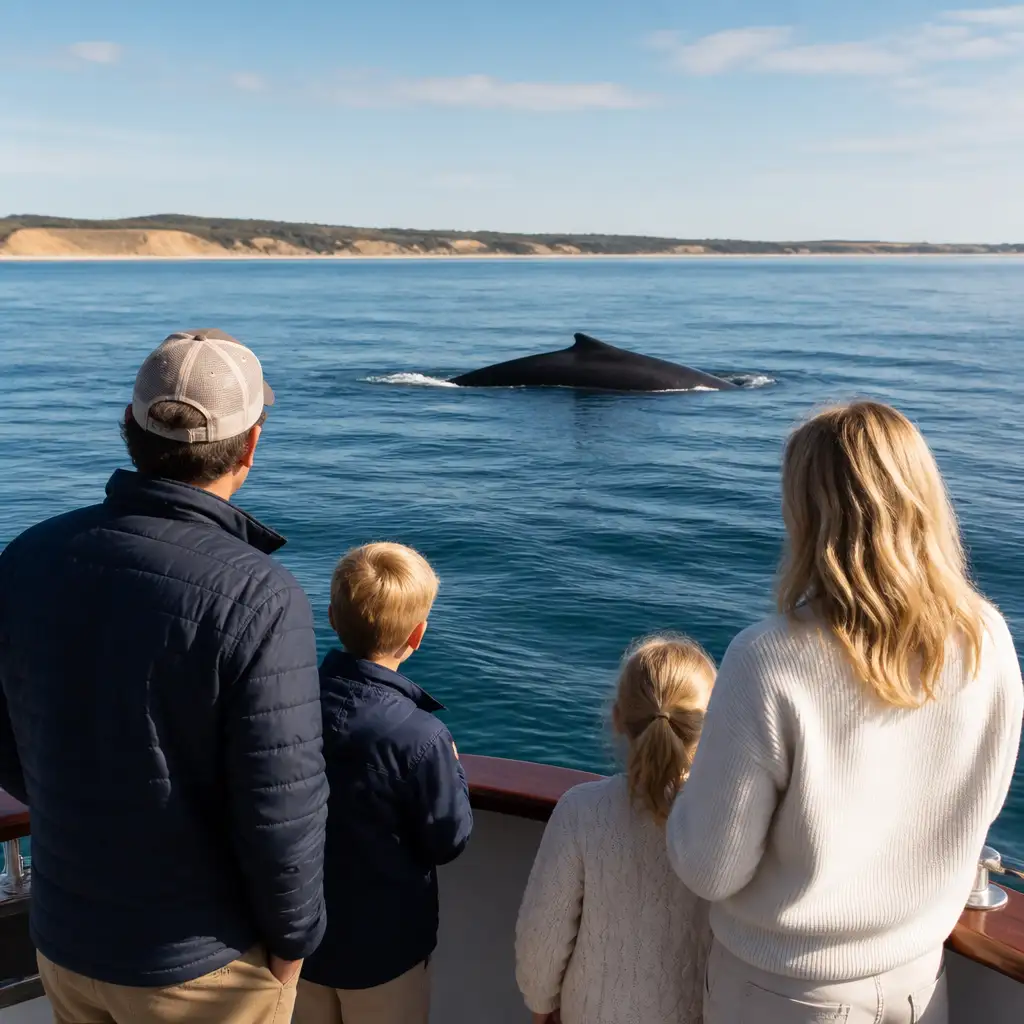
As the season approaches, marine wildlife patterns around Cape Cod begin to change in predictable ways. For visitors planning whale watching Cape Cod trips from Chatham or nearby towns, understanding how baitfish move in late summer and into fall can make tours more enjoyable and set realistic expectations for families and wildlife enthusiasts. Now is the time to begin planning fall outings so groups know what to expect and how to observe responsibly.
Fall shifts in baitfish — menhaden, sand lance, small herring, and schooling juvenile fish — drive where larger predators concentrate. These bait-driven movements influence not only whales but also seabirds, seals, and sportfish in Nantucket Sound and Vineyard Sound. Learning the connections between bait movements, water temperature, and currents helps visitors choose timing, manage expectations, and appreciate why sightings are never guaranteed.
Magic Fishing Charters combines local knowledge of Chatham waters and seasonal expertise to help guests plan marine wildlife tours. If you’re thinking about booking a family-friendly trip or an educational outing, check whale watching opportunities and seasonal guidance early to align your plans with likely activity windows.
How baitfish movements shape fall whale patterns near Chatham
Baitfish are the invisible engine behind much of the visible wildlife activity in fall. As water temperatures begin to cool late in summer, bait schools often aggregate along sandbars, in tidal rips, and near ledges where currents concentrate plankton and small forage fish. These concentration points become feeding hotspots that attract larger predators, including humpback and minke whales, as well as large predatory fish.
Near Chatham, the meeting of Nantucket Sound and Vineyard Sound creates dynamic current patterns that can corral bait into predictable places. Local guides watch for schooling behavior, splashing surface activity, and increased seabird presence as early indicators. That local fishing and marine observation knowledge is essential for selecting likely observation areas when planning tours.
Importantly, bait movements can shift on short time scales. A warm-water patch or a sudden wind change can disperse schools, sending predators to a new location. That variability is why wildlife tours should be understood as opportunistic experiences rather than guaranteed encounters with specific species.
Sea temperature, currents, and the fall transition in Nantucket and Vineyard Sound
The onset of fall brings a transition in surface water temperatures and stratification. Cooler nights and shifting winds promote mixing of the water column, which can bring nutrient-rich waters to the surface and trigger plankton blooms. Those blooms support higher baitfish abundance in localized zones, and predators respond quickly to those food sources.
Currents in Nantucket Sound and Vineyard Sound are driven by tides, wind, and larger-scale oceanographic features. Guides monitor sea surface temperature charts, current predictions, and sonar or fish-finder data to identify where bait is most likely concentrated. Knowing these conditions ahead of time helps when planning whale watching Cape Cod excursions and other marine wildlife tours.
For tour-goers, this means timing matters: calm, stable weather often makes it easier to find concentrated bait and the animals that feed on it. Conversely, prolonged onshore winds or major storms can disrupt bait concentrations and spread out predators, decreasing the odds of close sightings on any given day.
Common whale species and other wildlife to expect in fall waters
In fall, humpback whales are frequently observed where dense bait schools form, using bubble-netting and other group feeding behaviors to corral fish. Minke whales and fin whales may also transit these sounds to capitalize on food concentrations. Remember that species presence varies year to year and day to day based on prey availability.
Beyond whales, fall months can see large rafts of seabirds such as terns, gannets, and shearwaters feeding aggressively on surface bait. Harbor and grey seals congregate near haul-out sites and productive feeding zones. Predatory fish like striped bass and bluefish follow bait toward tidal rips and sandbars, creating mixed-species feeding frenzies that are fascinating to observe.
Tour-goers should approach wildlife viewing with the expectation of seeing a dynamic ecosystem rather than a single species. This broader perspective improves satisfaction and encourages appreciation for the interconnected nature of Cape Cod’s marine environment.
How bait shifts affect bird life, seals, and predatory fish
Baitfish shifts don’t just influence whales; they ripple through the entire food web. Seabirds are often the first visible indicator of subsurface bait — large flocks or diving behavior signal where fish are concentrated. Guides use bird activity as a low-tech, reliable pointer when searching for feeding hotspots.
Seals will move along the same productive corridors as bait and larger predators. You may see increased seal activity near sandbars or around the edges of feeding flocks. Predatory fish such as striped bass and bluefish respond quickly and can create surface disturbances that both guide and excite wildlife-watchers. For anglers, these patterns also inform where to target seasonal fishing trips.
Understanding these interactions helps families and photographers pick vantage points and times of day likely to display diverse behavior. Observing seabirds, seals, and surface-feeding fish together often provides a fuller and more reliable wildlife experience than focusing solely on whale sightings.
Timing tours: best months, tides, and weather windows for observation
Looking ahead to the upcoming fall, the most active windows for wildlife on Cape Cod waters often span late September through November, depending on yearly conditions. Early fall can offer warm-water pockets that delay bait northward movement, while mid-to-late fall frequently concentrates bait into narrower corridors that bring predators into more predictable areas.
Tides influence where bait accumulates; many guides favor outgoing tides around known sandbars and tidal rips where currents concentrate forage. Weather windows matter as well: stable high-pressure conditions with light winds and good visibility increase the chances of productive observation days. However, safety always comes first — guides will postpone or modify trips when sea conditions are unsafe.
When planning a trip, consider booking slightly flexible dates and communicate with your charter about current seasonal conditions. Magic Fishing Charters provides local expertise to help schedule trips during likely activity windows and to align expectations for families and first-time wildlife observers. For more information on timing and seasonal opportunities, consult planning your fishing trip resources early in the season.
Respectful and conservation-minded viewing practices for families
Responsible viewing preserves the very wildlife you came to see. Maintain recommended distances from whales and use your guide’s instructions for positioning the boat. Approaching animals too closely disturbs feeding and migration; many marine species change behavior when harassed, which can have longer-term consequences for foraging success and calf survival.
Educate children about quiet observation and camera etiquette. Encourage them to watch for birds, surface-feeding fish, and seals as well as whales; this diversifies the experience and reduces pressure on finding a single marquee sighting. Binoculars and small spotting scopes enhance engagement without increasing disturbance.
Support conservation by following leave-no-trace principles aboard: stow trash, avoid feeding wildlife, and listen to the captain’s safety briefings. Tour operators like Magic Fishing Charters emphasize conservation-minded viewing and will share context about regulations and best practices during marine wildlife tours. If you’re planning a family outing, review safety and conservation tips with your group ahead of time.
Frequently Asked Questions
Q1: How predictable are fall whale sightings on Cape Cod’s sounds?
A: Sightings are influenced by bait availability, water temperature, and currents, so they can be somewhat predictable in a broad seasonal sense but not guaranteed on any single day. Seasonal patterns often indicate where and when activity increases, but variability means tour-goers should plan with realistic expectations.
Q2: When should I start planning for a fall marine wildlife tour or a fishing trip from Chatham?
A: Now is the time to begin planning for fall trips. Book flexible dates if possible and consult with local guides about seasonal windows. Planning ahead helps align your outing with likely wildlife activity and suitable weather conditions.
Q3: What should families bring and expect on a marine wildlife tour or a guided charter?
A: Bring layered, weather-appropriate clothing, binoculars, non-slip shoes, and motion-sickness precautions if needed. Expect educational commentary, emphasis on safety, and conservation-minded practices. Operators will brief you on boat rules and wildlife guidelines before departures.
For more on seasonal offerings and how bait-driven dynamics influence both wildlife tours and fishing opportunities, Magic Fishing Charters provides local expertise for guests planning trips from Chatham. Whether your interest is whale watching opportunities, marine wildlife tours, or a combined educational and recreational day on the water, early planning helps set realistic expectations and maximizes enjoyment.
Remember: wildlife activity can depend on conditions. Seasonally informed guides, an understanding of bait movements, and respectful viewing practices are the best combination for a successful, conservation-minded outing this fall.
Striped bass and bluefish are two of Cape Cod’s most popular seasonal targets, offering exciting opportunities for anglers of different experience levels. To learn more about upcoming inshore and nearshore fishing opportunities with Magic Fishing Charters, call 1-508-737-3367.