


Introduction
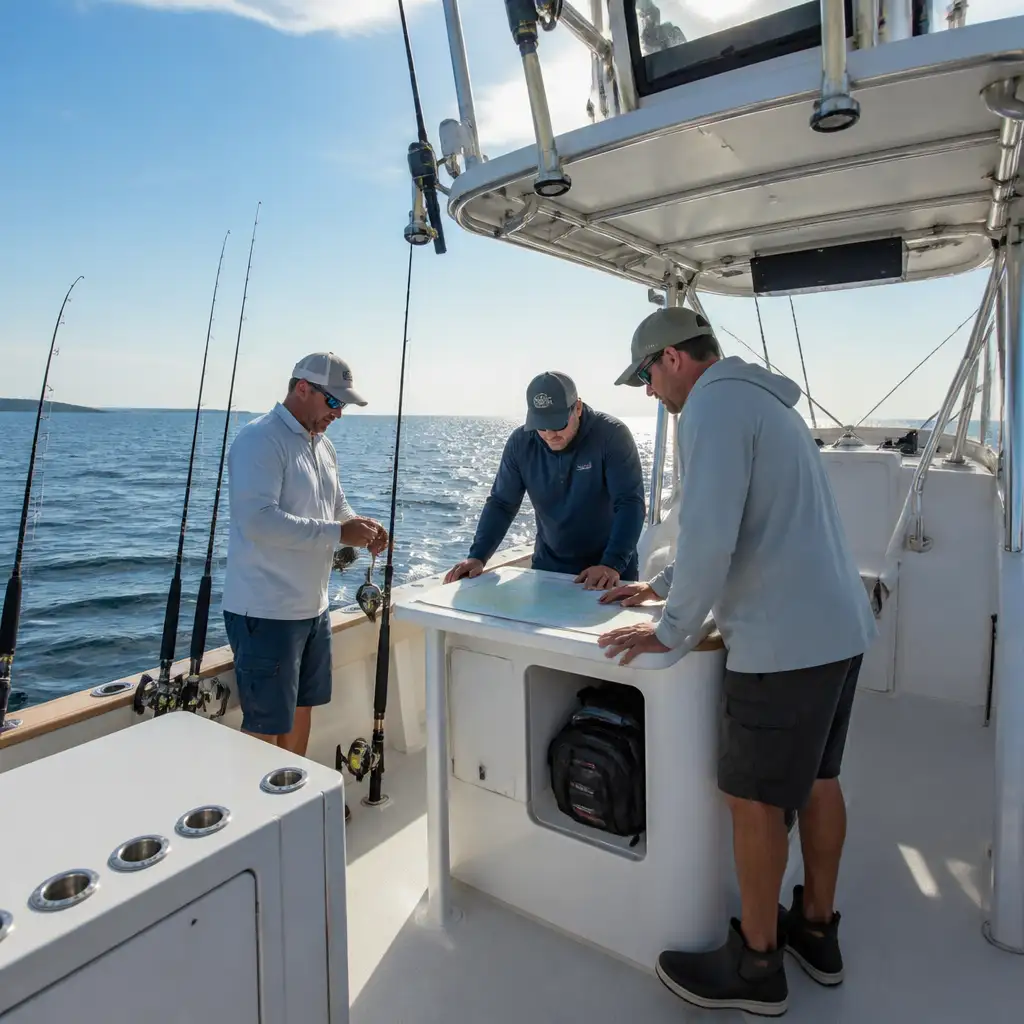
As the fall season approaches, Cape Cod anglers and visiting sport fishermen should begin preparing for bluefin tuna fishing in offshore Atlantic waters. From Chatham to deeper waters beyond Nantucket Sound and Vineyard Sound, fall often brings productive tuna opportunities—and with those opportunities come regulations and conservation responsibilities that directly affect trip planning and on-the-water decisions.
Now is the time to review the regulatory framework that governs bluefin tuna retention, understand how seasonal quotas and size classes influence what can be kept, and adopt responsible handling and release techniques if you encounter a fish that must be released. Realistic expectations are important: ocean conditions, migration timing, and quota availability all affect whether a trip can target bluefin successfully.
Magic Fishing Charters emphasizes local knowledge, safety, and conservation. If you are making plans from Chatham or elsewhere on Cape Cod, a quick regulatory check and early communication with your charter captain will make your offshore day safer, more lawful, and more enjoyable. For general trip information, consider our Cape Cod fishing charters when you’re ready to plan.
Current fall bluefin tuna size and bag limits
Regulations for bluefin tuna are set at federal and regional levels and can change from year to year. Size classes and possession limits are commonly used to allocate recreational quota and to protect certain segments of the population. As the season approaches, anglers should check the latest NOAA Fisheries and regional management updates for the exact sizes and per-angler or per-vessel bag limits that will apply this fall.
Typically, regulators use size categories to distinguish between school, large school, and giant bluefin; those categories determine how many fish may be retained and whether special reporting or landing procedures apply. Because fall runs can span different size classes, knowing the current minimum landing size and any sub-quota rules is essential before targeting tuna offshore.
Local captains monitor and interpret those rules daily. When you book an offshore trip from Chatham, ask your captain about the most recent size and bag limits and how they may affect a planned trip. That conversation helps set realistic expectations about whether a trip is likely to involve catch-and-release only, or whether retention is possible under the current quota and size structure.
How seasonal quota and allocation affect fall trips
Seasonal quotas are divided between commercial and recreational fisheries and can be apportioned across different time windows and geographic areas. As the fall approaches, managers sometimes adjust allocations to reflect fishery performance earlier in the year, shifting availability for recreational anglers. Anglers should be aware that quota availability can limit the number of days or the number of fish that can be legally landed during fall tuna season.
In practical terms, quota dynamics can mean a trip planned for late September might face different retention rules than one booked for early October. Captains track daily quota updates and subquota closures and will advise whether a particular day is likely to be open for legal retention. If quota is limited, trips may still target bluefin for the experience of fighting a tuna with the understanding that most encounters will lead to release.
Because quotas are finite and closely managed, cooperation between anglers and charter operators helps keep the fishery lawful and sustainable. Reporting retained fish when required, following landing procedures, and listening to captain guidance about whether to attempt retention are all part of fishing responsibly under quota-constrained conditions.
Responsible handling and safe release practices for bluefin
When a bluefin must be released—either because of size, bag limits, or quota constraints—proper handling makes the difference between a surviving fish and one that succumbs after release. For large, powerful fish like bluefin, the primary goal is to minimize time out of the water, support the fish while removing the hook, and revive it effectively before letting it swim away.
Common best practices include using dehooking devices, keeping fish in the water for leader cuts or hook removal when possible, and avoiding excessive handling or lifting by the gills. Use circle hooks when appropriate, strong release slings or tail supports for larger fish, and a steady in-water revival routine—slow circulation of water over the gills until the tuna shows strong, directional swimming. Photographing a released tuna should never compromise the fish’s recovery.
Conservation-minded anglers should also be prepared with pliers, cutting tools, and soft, knotless nets to reduce injury. Discuss release procedures with your captain before the trip so everyone understands roles when a fish is brought to the boat. These practices help sustain healthy bluefin populations while preserving the offshore sport fishery for future seasons.
How regulations shape trip planning from Chatham and offshore Atlantic waters
Regulations influence where and when a charter heads offshore, how many anglers are invited aboard, and what gear is recommended. For example, a planned day targeting bluefin from Chatham may require traveling farther offshore if local size classes migrate beyond Nantucket Sound or Vineyard Sound. Captains factor in current regulations and quota availability when suggesting trip dates and fishing areas.
Booking a trip with an experienced operator provides advantages: captains can advise on the best timing relative to regulatory windows and suggest alternative species or trip types when tuna retention is unlikely. When discussing plans with your charter, ask about contingency plans—targeting other species or adjusting trip objectives to focus on the experience of offshore fishing even if tuna retention isn’t legally possible.
For anglers comparing options, consider the benefits of experienced, local operators. In addition to safety and seasonal expertise, reputable charters will explain how regulations affect a trip’s objectives. If you’re researching operators, looking for reliable Cape Cod charter fishing providers is a good first step toward a lawful and enjoyable outing.
Permits, paperwork, and timelines for booking tuna charters
Now is the time to begin planning your fall offshore charter and to confirm the permits and paperwork required. Federal permits—such as the Highly Migratory Species (HMS) angling permit—may be necessary for anglers who intend to retain bluefin tuna. State requirements and reporting obligations can also apply. Verify permit needs well in advance so you can secure any required paperwork before boarding.
Booking timelines for popular fall dates often extend several weeks or months, so anglers should consider reserving trips 6–12 weeks ahead of their preferred dates, especially on weekends. Early booking gives captains time to plan routing that accounts for quota status and seasonal patterns. If your schedule is flexible, ask about weekday options when pressure and demand can be lower.
Carry copies of identification, permits, and any documentation your captain requests. Also confirm how retained tuna must be landed and reported; some rules require immediate notification or landing at approved ports. Your captain will help manage required paperwork and reporting when retention is allowed under the season’s rules. For assistance planning, see our resources about planning your fishing trip.
Collaborating with captains: roles, safety, and conservation-minded decisions
Effective collaboration with your captain is key to a lawful, safe, and conservation-minded tuna trip. Captains bring local fishing expertise, awareness of current regulations, and practical experience in handling large pelagic species. Before departure, review the day’s objectives, legal retention possibilities, safety expectations, and how the crew will handle a hooked tuna.
On the water, follow the captain’s instructions for life jackets, gear use, and fish-handling roles. Safety is paramount during offshore battles: keep lines clear, listen for crew commands, and avoid risky behavior while fighting a fish. Captains also make judgment calls about whether a fish should be pursued for retention or released immediately based on size, condition, and quota considerations.
Working with an experienced charter can also improve conservation outcomes. Many captains prioritize fish health and follow industry best practices for minimizing stress and injury. When you book a trip, ask about the captain’s release procedures, onboard equipment for safe handling, and how they coordinate reporting and legal compliance if a fish is retained.
Frequently Asked Questions
Q1: When does fall bluefin tuna season typically start around Cape Cod?
A: Season timing can vary year to year, and management agencies may open or close subquotas at different times. Looking ahead to the upcoming season, anglers should begin planning now and check NOAA Fisheries and state announcements for the exact open dates and any in-season adjustments.
Q2: How far in advance should I book an offshore tuna trip from Chatham?
A: Many anglers find booking 6–12 weeks in advance gives the best chance to secure preferred dates and allows captains to plan trips mindful of quota status and seasonal patterns. Flexibility with dates can help if quota or weather forces schedule changes.
Q3: What should I expect from a charter regarding regulations and safety?
A: A professional charter will review current regulations, required permits, safety procedures, and handling expectations prior to departure. Captains also handle reporting and will guide decisions on whether to attempt retention based on size, quota, and fish condition. For reliable local expertise, search for Chatham fishing charters that emphasise safety and conservation.
Interested in offshore bluefin tuna fishing from Cape Cod? Magic Fishing Charters plans tuna trips around seasonal conditions, safety, regulations, and realistic expectations. Call 1-508-737-3367 or visit charterfishingcapecod.com to ask about upcoming tuna charter availability.