


Introduction
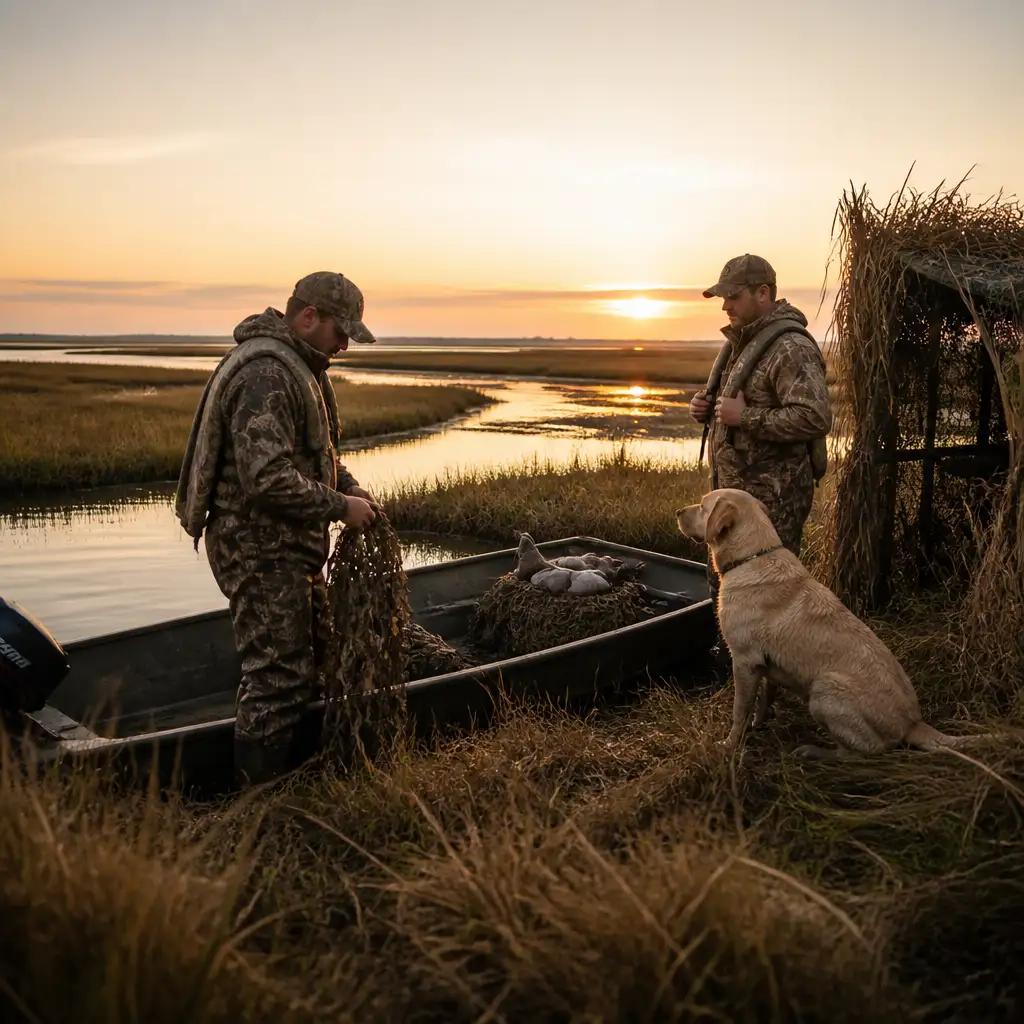
As the season approaches, hunters and outfitters around Chatham and greater Cape Cod begin looking ahead to fall waterfowl seasons. Guided duck hunts Cape Cod require careful timing and local knowledge because estuary, marsh, and tidal wetland conditions strongly influence where ducks concentrate, when they move, and how accessible hunting areas will be. Now is the time to begin planning guided hunts, lining up license requirements, and thinking through gear and conservation practices for the months ahead.
Magic Fishing Charters operates guided waterfowl hunts alongside our fishing and wildlife offerings, and our approach emphasizes safety, local knowledge, and realistic expectations. Conditions on Cape Cod—particularly in and around Nantucket Sound and Vineyard Sound—can shift rapidly with weather and tides, which changes habitat use by dabbling and diving ducks. Hunters should start planning early to maximize chances for a safe, well-executed hunt without expecting guaranteed outcomes.
Below is a practical guide for licensed hunters planning guided duck hunts from Chatham this fall. It explains how estuary and wetland conditions alter waterfowl distribution, how access routes and tides affect hunt timing, what seasonal gear to prioritize, and how hunters can support conservation while following state and federal regulations. For general trip planning and seasonal context, consider how Cape Cod fishing charters and guided services use local expertise to adjust plans as conditions change.
How fall estuary and wetland conditions shape waterfowl distribution on Cape Cod
Estuaries and coastal wetlands around Cape Cod are dynamic in fall. As temperature and daylight decline, food availability—submerged aquatic vegetation, shellfish, and invertebrates—drives where ducks feed and stage. Dabbling ducks like mallards and teal often concentrate in shallow tidal creeks and salt marsh pools exposed at low tide, while diving ducks such as scoters and goldeneyes use deeper channels and nearby open water in Nantucket Sound and Vineyard Sound. Guided duck hunts Cape Cod need to consider these habitat preferences to select likely hunt sites.
Salt marshes near Chatham are tidal systems; small shifts in tide height or wind-driven water can temporarily inundate or expose feeding flats. Weather patterns preceding a hunt—strong onshore winds, cold fronts, or early frosts—can move birds from open water into sheltered estuary channels. That variability means guides must monitor conditions daily and be prepared to adapt where they place decoys or position a blind. Local fishing and charter operators who work year-round have a practiced sense for these short-term changes.
Fall migration timing also matters. As northern wetlands freeze, Cape Cod can become a stopover or staging area for migrating flocks. These transient shifts often produce higher densities for a few days, followed by dispersal. Hunters should plan flexible trips and work with guides who watch migration cues across Nantucket Sound and neighboring areas so hunt locations can be adjusted to where birds are concentrating.
Reading marsh and tidal patterns around Chatham for guided duck hunts
Understanding local tide charts and marsh topography is essential. A slight misread of a tide can leave a blind on a drying flat or strand a skiff in shallow creeks at low water. Guided duck hunts Cape Cod rely on experienced captains who know which tidal windows provide safe approach routes and productive feeding conditions. Look for guides that factor tide flow, wind direction, and recent weather into the hunt plan rather than promising a static location.
Marsh vegetation and mudflat exposure are reliable indicators of daily bird use. During falling tides, for example, you’ll often see flocks moving into creek mouths and tidal pools to feed on invertebrates exposed by the drawdown. Conversely, rising tides push many species toward brackish ponds and sheltered marsh channels. Effective guides set decoys and blinds with these ebb-and-flow behaviors in mind and brief hunters on how the pattern might change over a single tide cycle.
Scouting is part of the process. A reputable guided hunt operator spends time before the season watching patterns across multiple estuaries, noting preferred feeding flats and safe approach channels. When planning your fall trip, ask how your guide scouts marsh conditions and whether they adjust hunt timing for tidal flow and wind. That local reconnaissance is the difference between a well-timed outing and one spent repositioning gear in marginal areas.
Access challenges: tides, boat routes, and marsh permits
Access around Cape Cod’s wetlands can be more complicated than open-water charters. Many productive estuaries require skiff or small-boat approaches through winding channels, and tides can open or close routes quickly. Be sure your guide is experienced with local launch points near Chatham and understands which channels remain navigable at different tidal stages. Safety demands conservative planning—arrive with extra daylight and contingency plans for changing water.
Public access and private land boundaries are another consideration. Some marsh edges and flats border private properties or sensitive habitats that are off-limits to hunting. Guided duck hunts should include clear communication about legal access points and any permits or permissions required. For hunters unfamiliar with the area, hiring a guide familiar with local regulations and property lines is the safest route to avoid accidental trespass or disturbance of sensitive habitats.
Boat logistics also factor into gear and personnel planning. Small skiffs and layout boats are common for marsh hunting; they require lightweight, well-organized equipment and careful loading to maintain stability. If decoy spread, blinds, or mobility are needed, planners should factor in extra time for setup within the tidal window. Guides with practical experience operating in Chatham marsh systems can streamline this process and reduce downtime during the hunt.
Gear and clothing recommendations for fall guided duck hunts
Fall weather on Cape Cod can swing from mild to cold and wet; layered, breathable clothing is the foundation of a comfortable hunt. Start with moisture-wicking base layers, add an insulating mid-layer that can be shed, and finish with a breathable, waterproof outer layer for wind and spray protection. Waders are common for marsh hunts—but confirm the guide’s expectations, since small boats and layout situations may require different footwear and flotation considerations.
Safety gear is non-negotiable. Life jackets or flotation devices appropriate to the craft should be worn or readily accessible, and experienced guides will brief hunters on boat safety, cold-water risks, and emergency procedures. Hunters should also prepare quieter, weather-appropriate decoy rigs and bring items like waterproof gloves, a hat with ear protection, and eye protection. Keep equipment compact and organized to minimize time in the water or moving across unstable substrates.
Decoy selection and blind materials vary with species and habitat. For dabblers in shallow estuaries, a larger spread of floating decoys and a natural-looking blind near creek mouths is effective; for diving ducks, placing spread near deeper channels matters more. Your guide should advise what to bring and often provides essential gear—ask ahead about what is included in the guided package versus what you should pack yourself.
Regulatory compliance, licensing, and safety reminders for hunters
Regulations and permit requirements must be confirmed before you hunt. Generally, waterfowl hunters need a valid state hunting license, federal migratory bird (duck) stamp, and compliance with Harvest Information Program (HIP) registration where applicable. Regulations can change between seasons, so hunters should verify current requirements with MassWildlife and consult with their guide during booking. Magic Fishing Charters always emphasizes legal compliance and will review necessary credentials as you prepare for the trip.
Safety protocols include firearm handling, boat safety, and environmental awareness. Guides will run through safe weapon handling in and around boats and blinds, enforce safe zones when shooting is active, and communicate approaches for retrieving downed birds without risking personal safety. Hunter education courses are often required for younger hunters and are a good refresher for experienced hunters as well.
COVID-era or disease-related health advisories can also affect operations, so check for any public health guidance before your hunt. Additionally, always confirm insurance, emergency communication plans, and evacuation procedures with your guide—especially when working in remote marsh locations where cellphone coverage may be intermittent.
Conservation practices hunters can support around Cape Cod wetlands
Conservation stewardship is central to sustaining waterfowl populations and healthy estuaries. Hunters can support habitat protection by observing local closures, avoiding sensitive nesting areas, and following best practices for decoy retrieval and gear management to prevent marine debris. Many Cape Cod guides participate in or support habitat restoration efforts; ask your outfitter how they contribute to local conservation work and how clients can help.
Practices such as limiting disturbance to non-target wildlife, properly disposing of spent shells, and reporting banded birds to the appropriate agencies reinforce long-term conservation goals. Additionally, respecting harvest limits and seasons—set at state and federal levels based on population science—helps maintain sustainable hunting opportunities for future seasons.
Supporting local organizations and educational programs that restore marsh vegetation and monitor estuary health is another way hunters can give back. Small actions by guides and hunters—like participating in local cleanups or donating to wetland conservation groups—compound into meaningful protection for the habitats that make guided duck hunts Cape Cod possible.
Frequently Asked Questions
Q: When should I book a guided duck hunt in Chatham for fall?
A: Now is the time to begin planning. Bookings often fill as migration windows approach, and guides need time to coordinate licensing checks, vessel availability, and scout conditions. Flexible dates that allow moving with tides and migration patterns improve the overall experience.
Q: What licenses and stamps do I need for waterfowl hunting in Massachusetts?
A: Hunters generally need a valid Massachusetts hunting license, a federal migratory bird (duck) stamp where applicable, and any required state registrations such as HIP. Regulations can change; confirm current requirements with MassWildlife and your guide before the trip.
Q: What should I expect from a guided duck hunt compared to a self-guided trip?
A: A guided hunt typically includes local scouting, safe navigation of tidal channels, provision or setup of blinds and decoys, and an emphasis on legal compliance and conservation. Guides bring local experience on estuary patterns, tides, and hunt timing that benefits both safety and opportunity without promising harvests.
Planning ahead for guided duck hunts on Cape Cod? Magic Fishing Charters offers seasonal duck hunting opportunities for licensed hunters during regulated hunting seasons. Duck hunts are $300 per person. Call 1-508-737-3367 to discuss scheduling, licensing, safety, and seasonal availability.