


Introduction
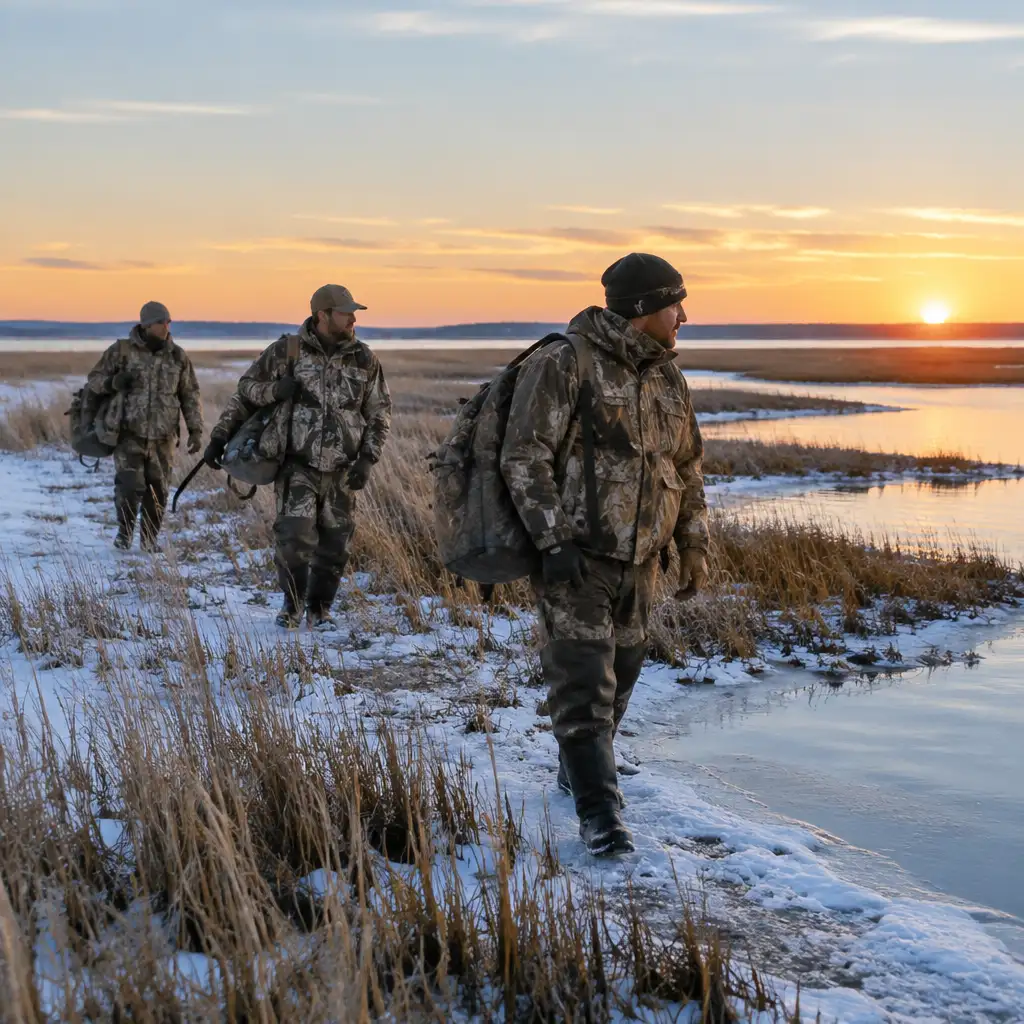
As the season approaches, licensed hunters and guide services around Chatham and across Cape Cod should start preparing for winter waterfowl access and habitat-sensitive hunting. Winter conditions on the Cape bring unique challenges: low tides that expose fragile mudflats, freezing temperatures that change marsh access routes, and shifting landowner expectations during the quieter months. Now is the time to begin planning responsible hunts that respect regulations, private property, and the wetlands that support waterfowl populations.
Guided waterfowl hunting in this region requires an understanding of state and federal migratory bird laws, access rules for public and private marshes, and best practices to avoid habitat damage when the ground is frozen or tides run low. Hunters who plan ahead increase safety, reduce their footprint on sensitive areas, and support long-term conservation goals that keep hunting opportunities viable. Magic Fishing Charters and other local guides emphasize careful planning and stewardship as core parts of guided duck hunts and seasonal services.
Setting realistic expectations is essential. Conditions may vary from marsh to marsh, and harvest success and wildlife activity depend on weather, tides, and migration timing. This article offers practical, experience-driven guidance for licensed hunters preparing for winter duck hunting on Cape Cod, including legal access, private-versus-public marsh etiquette, low-impact techniques for low-tide and frozen conditions, and ways to support wetland conservation while planning winter hunts.
Understanding Legal Access: State and Federal Regulations
Before you set foot in any marsh or approach a shoreline for winter duck hunting, confirm your licenses and review both state and federal regulations. Migratory waterfowl in the United States are protected under federal migratory bird laws and seasons, which determine allowable species, bag limits, and legal hunting dates. Massachusetts also has specific regulations—season dates, permit requirements, and local restrictions—that hunters must follow. Review current regulations well in advance so you do not inadvertently violate protections that help sustain waterfowl populations.
Many hunters find it helpful to carry printed or digital copies of hunting licenses, permits, and the most recent regulations. Guides and outfitters who run guided duck hunts frequently assist clients in ensuring compliance, but the license holder is ultimately responsible. For those planning a hunt with a professional service, discuss regulatory expectations during booking and confirm anything unique to the marsh you intend to hunt, including boat launch rules and parking restrictions.
When reading regulations, pay attention to refuge boundaries, posted private lands, and any seasonal closures designed to protect nesting or staging birds. If you are unsure about access or a local rule, contact state wildlife authorities or consult a knowledgeable local guide. Using local expertise reduces the risk of accidental violations and helps maintain access for all hunters in future seasons.
Public vs. Private Marsh Etiquette and Landowner Communication
Distinguishing between public and private marshland is critical on Cape Cod, where ownership patterns can change over short distances. Public marshes may have designated access points and posted rules; private marshes require permission from landowners. When seeking permission, be courteous, clear about your plans, and flexible with timing. Respectful communication goes a long way toward building relationships that preserve access over the long term.
Simple steps demonstrate good etiquette: call ahead when possible, arrive and depart quietly, avoid driving across lawns or agricultural areas, and pick up any gear or debris when you leave. If a landowner grants access, offer a brief thank-you and ask if there are specific areas to avoid or preferred parking spots. Many landowners appreciate hunters who understand the importance of minimizing disturbance to neighbors and livestock.
Guides who operate in Chatham and across Cape Cod are often able to facilitate introductions and provide practical advice on where to hunt responsibly. If you plan to use professional assistance, mention that you prefer low-impact approaches and open communication with landowners—this reinforces the conservation-minded approach that helps protect access for future seasons. For information about guided options and local expertise, consider contacting Magic Fishing Charters to discuss guided duck hunts and seasonal planning.
Low-Tide, Ice, and Frozen Conditions: Avoiding Habitat Damage
Winter brings a mix of low tides, ice formation, and frost that can concentrate birds but also make mudflats and salt marsh vegetation highly vulnerable to damage. Walking across exposed mudflats or driving vehicles where the surface looks solid can crush plant root systems and disturb invertebrate populations that waterfowl rely on. Prioritize access routes that avoid trampling sensitive cordgrass and other marsh vegetation, especially during low-tide windows.
When ice is present, assess thickness carefully and avoid crossing marginal ice that could break or scuff underlying vegetation. Use boardwalks, established paths, or watercraft to reach hunting locations when appropriate and permitted. If you must walk across soft areas, distribute weight by using snowshoes or a pair of wide, flat sleds to protect the substrate. Small changes in how you move through a marsh can significantly reduce long-term habitat impacts.
Timing hunts to coincide with higher tides or using boats to access open water can minimize repeated foot traffic in vulnerable areas. However, boat operators must also be mindful of shallow eelgrass beds and submerged vegetation—propeller damage can be as harmful as foot traffic. Local knowledge of tide charts, marsh topography, and seasonal ice behavior is invaluable; consult tide tables and experienced guides when planning winter access to sensitive habitats.
Low-Impact Hunting Techniques and Gear Choices
Choosing gear and techniques that reduce disturbance helps sustain both habitat and hunting quality. Lightweight, quiet decoy rigs, soft paddles for skiffs, and low-profile blinds limit visual and acoustic disruption. Use decoys and calls judiciously—excessive calling or large spreads may push birds away from important feeding areas and concentrate pressure on a single location.
For boats, shallow-draft skiffs or airboats (where legal and appropriate) are less likely to damage seagrass and mudflats than heavier vessels. Maintain slow speeds in shallow zones and avoid dragging anchors through vegetation. Hunters operating from shore should minimize repeated trips across the same path and carry collapsible gear that can be carried quietly to reduce trampling.
When hunting frozen marshes, watch for brittle vegetation that can snap underfoot and avoid areas where ice covers fragile plants. Use non-toxic shot and follow best practices for retrieving downed birds to prevent secondary mortality and avoid leaving spent shot that can harm the environment. Low-impact choices preserve habitat and demonstrate the stewardship ethic that keeps hunting sustainable in Cape Cod communities.
Planning Winter Hunts: Logistics, Safety, and Seasonal Timing
Now is the time to begin planning winter hunts: reserve guides, check tide tables, confirm landowner permissions, and assemble weather-appropriate gear. Winter hunts require extra attention to safety—cold-water immersion is a serious risk, and hypothermia can occur quickly in coastal environments. Layered clothing, waterproof outerwear, and a plan for rapid evacuation in an emergency are essential.
Discuss timing with guides or landowners to align hunts with favorable tides and bird movements. Some days will offer exceptional waterfowl activity during the warmest hours or at particular tide stages. Local guides provide value by reading daily conditions and choosing access points that reduce habitat impact while maximizing legal opportunity. If using a guide, confirm what they expect you to bring and any additional conservation practices they follow.
Logistics include transportation, safe parking, and ensuring that your vehicle or boat can enter and exit without damaging private property or the marsh edge. Consider bringing recovery gear such as tow straps or boards to help if a vehicle becomes stuck, but try to avoid situations that require heavy equipment on fragile terrain. Good planning minimizes risk and demonstrates respect for landowners and the resource.
Supporting Wetland Conservation and Local Stewardship
Hunters can be powerful conservation allies. Supporting wetland conservation ensures healthy waterfowl populations and sustained hunting access. Simple actions—participating in marsh clean-ups, reporting invasive species, and contributing to local conservation organizations—help maintain the habitats that ducks and other wildlife depend on. Consider volunteering time or resources to local wetland projects as part of your long-term commitment to sustainable hunting.
Respect for private landholders and community norms also reinforces stewardship. Small gestures, like returning access keys or following posted exit routes, build trust. Conservation-minded hunters often serve as informal monitors of wetlands, reporting erosion, pollution, or habitat changes to local authorities. That communication loop between hunters, guides, and conservation groups strengthens regional efforts to preserve Cape Cod’s marshes.
Working with established guides and charter operators can amplify stewardship impact. Professional services emphasize regulatory compliance, landowner liaison, and low-impact techniques as part of their operations. If you want to combine local knowledge with conservation-minded hunting, inquire about guided options that prioritize habitat protection and community relations when planning your winter duck hunting activities on Cape Cod.
Frequently Asked Questions
Q: When does the winter duck season typically open and how should I plan ahead?
A: Season dates vary annually and are set by federal and state authorities; as the season approaches, check the most recent regulations for Massachusetts and federal migratory bird rules. Now is the time to secure licenses, review bag limits, and make reservations with guides if you plan to hunt with professional assistance.
Q: What should I expect from a guided duck hunt in Chatham or elsewhere on Cape Cod?
A: Expect an emphasis on safety, compliance, and low-impact access. A professional guide will help with tide planning, safe boat handling, decoy placement, and landowner communication. Guided hunts also offer local expertise on where and when birds are likely to stage during winter, but they will never guarantee harvests or sightings.
Q: How can I avoid damaging marsh habitat when hunting during low tides or frozen conditions?
A: Use established paths, avoid walking on exposed mudflats and fragile vegetation, and consider using boats or boardwalks where permitted. Employ gear that spreads weight, maintain slow speeds in shallow water, and coordinate with guides who know local topography. Small adjustments in access and technique can greatly reduce habitat impact.
For hunters interested in combining local expertise with conservation-focused guidance, reach out to trusted operators and confirm shared expectations before the season. Responsible planning now protects the marshes and hunting opportunities for future seasons.
To learn more about Cape Cod duck hunting options, regulations, or seasonal planning with a local guide, including guided duck hunts tailored for licensed hunters, consider contacting a local charter service that specializes in safe, conservation-minded trips.
Additional resources and booking information about guided services and seasonal planning can be found through local charter operators who know Chatham, Nantucket Sound, and Vineyard Sound conditions and can advise on winter access tactics and habitat-friendly approaches.
For community-oriented planning and to support wetland stewardship, consider partnering with local conservation groups and participating in habitat protection efforts between seasons.
Useful booking and guidance resources include the homepage for local charters to review seasonal guidance, services offered, and contact information for planning ahead with experienced operators: Cape Cod duck hunting.
For hunters wanting professional assistance with safety, logistics, and low-impact techniques while preparing for winter hunts, reaching out early helps secure preferred dates and ensures that all regulatory and landowner permissions are handled in advance. Magic Fishing Charters provides local knowledge for Chatham and Cape Cod waterfowl planning and can advise on best practices as the season approaches.
Planning ahead for guided duck hunts on Cape Cod? Magic Fishing Charters offers seasonal duck hunting opportunities for licensed hunters during regulated hunting seasons. Duck hunts are $300 per person. Call 1-508-737-3367 to discuss scheduling, licensing, safety, and seasonal availability.