


Introduction
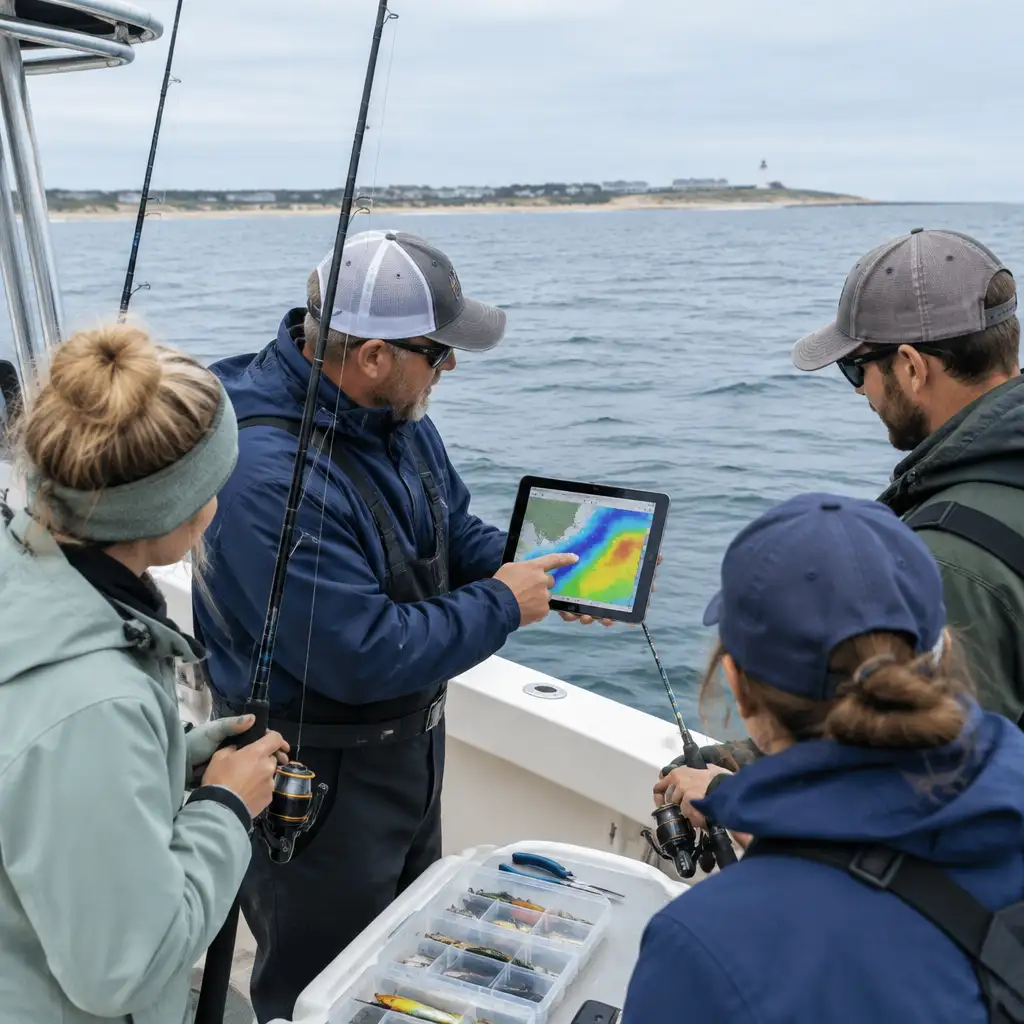
As the season approaches, anglers who fish out of Chatham and across Cape Cod should start converting winter observations into a spring plan. Spring striped bass and inshore trips depend on a mix of winter sea-surface temperature patterns, baitfish availability, weather history, and regulatory changes that are often set during the off-season. Now is the time to begin planning so you can make informed choices about dates, tackle, and target areas when spring arrives.
This article focuses on practical, experience-driven guidance for monitoring the key indicators that influence spring inshore fishing from Chatham: sea-surface temperature (SST) trends, baitfish movement reports, migration signals, and permit or rule updates. It is written to help both beginners and experienced anglers understand what to watch for and how to use those signals to plan charters or private trips.
Expectations should stay realistic: patterns often indicate likely windows of opportunity, but conditions can change. Use local knowledge, data, and conservation-minded practices to improve outcomes while protecting fisheries for the future.
How winter sea-surface temperatures predict spring striped bass movement
Sea-surface temperature (SST) is one of the clearest environmental cues for nearshore predator movement. During winter, watch how SSTs trend across Nantucket Sound, Vineyard Sound, and the inshore waters off Chatham. Persistent cold snaps followed by a steady warming trend often compress bait and predator movement into more predictable corridors as spring approaches.
Useful data sources include NOAA buoy networks, satellite-derived SST maps, and regional oceanographic products. Weekly checks of the National Data Buoy Center (NDBC) and NOAA CoastWatch can show whether localized warming is occurring in key nearshore areas. Pay attention to temperature fronts where warmer and colder water meet—those edges often concentrate bait and attract striped bass.
Interpret SST trends in context: a single warm day does not signal full migration. Look for sustained warming over days to weeks and compare current-year trends with historical averages. Local guides and tackle shops often combine these data with their experience to identify when fish begin staging near inlets and shallow flats.
Tracking baitfish trends: what to watch and where to find reports
Bait presence is the practical link between water conditions and where predators feed. During late winter and early spring, monitor reports for sand lance, herring, and juvenile menhaden in nearshore channels and wind-protected bays. Bait schools can appear quickly as water warms, and their timing often drives striped bass activity.
Sources for bait information include regional fisheries surveys, recreational reporting platforms, and local networks. The Massachusetts Division of Marine Fisheries and NOAA Northeast Fisheries often publish survey results and notes on forage species abundance. Local fishing forums, bait-and-tackle shops, and charter skippers provide timely, anecdotal signals that are valuable when paired with formal survey data.
When tracking bait, note both distribution and behavior. Are schools holding in shallow flats, or are they pushed into deeper channels by wind and tide? Are birds working the surface? Observing birds, seals, and feeding activity can be an immediate indicator that bait—and therefore predators—are present in a location worth targeting when spring trips begin.
Using migration signals and timing for Chatham inshore trips
Migration timing for striped bass and other inshore species is not a fixed date but a window shaped by SST, bait availability, and weather. In the weeks before spring, watch for consistent signs: first sustained warming of nearshore waters, repeated sightings of large schools of bait, increased predator activity near inlet mouths, and higher concentrations of seabirds working the surface.
Local patterns matter. Chatham’s proximity to Nantucket Sound and the dynamic currents near the elbow of Cape Cod can mean faster or delayed staging compared with other Cape locations. Use tide and wind forecasts alongside migration signals; onshore winds can concentrate bait near the Cape, while persistent offshore flow can disperse early-season activity.
For anglers planning striped bass trips, be flexible with target areas. Early-season fish may hold near channels and deeper cobble edges before moving onto flats as water continues to warm. Understanding these shifts helps you choose the right day and the right part of the tidal cycle for a charter or private outing.
Regulatory and conservation updates to check now
Regulatory changes—size limits, slot rules, or seasonal closures—are often decided or communicated during winter months. Check the Massachusetts Division of Marine Fisheries, NOAA Fisheries, and Atlantic States Marine Fisheries Commission (ASMFC) announcements now so you can plan trips that comply with current rules and conservation best practices.
Conservation-minded anglers should double down on gear and handling practices that reduce mortality: use circle hooks for bait fishing, keep fish in the water while removing hooks when possible, and minimize fight times for catch-and-release situations. These practices protect stock health and help sustain future seasonal opportunities in Cape Cod waters.
Magic Fishing Charters emphasizes realistic expectations and compliance: charters are adjusted for seasonality, regulation, and safety. If your plans include other activities—like early-season marine wildlife tours or preparing for upcoming guided duck hunts—review the relevant licensing and season dates well before booking.
Practical tackle, boat prep, and safety before spring trips
Now is the time to inventory rods, reels, terminal tackle, and safety gear. Early spring conditions around Chatham can still be cool and changeable; pack layered clothing, foul-weather gear, and cold-weather gloves. Check the condition of life jackets, flares, and communication devices, and confirm the vessel’s engine and fuel systems are in serviceable condition before the first trips of the season.
Tackle preparation should reflect expected spring targets. For striped bass and nearshore species, have mid-to-heavy spinning or baitcasting setups with 20–30 lb test braid and a 20–40 lb leader for topwater and live-bait presentations. Stock a selection of soft-plastic lures, metal casting plugs, topwater poppers, and a range of jigs. If you anticipate switching between live bait and lure techniques, organize rigs ahead of time to minimize on-water tinkering.
Safety planning is part of local fishing expertise. Review local tide cycles, potential fog patterns, and common spring winds that affect Nantucket Sound and Vineyard Sound. Communicate realistic expectations with everyone on board about weather delays and the potential for abbreviated runs in marginal conditions.
Booking timeline and working with local charters from Chatham
As the season approaches, many anglers ask how far in advance to book. For spring weekends and holiday periods, it’s wise to reserve charters 4–8 weeks in advance—earlier if you need a specific date or a larger group. If you are flexible on dates, weekday trips are easier to schedule and often productive when conditions align.
Work with a local operator who monitors SST, bait reports, and migration signals for up-to-the-minute planning. When contacting a charter, share what you want to target (striped bass, bluefish, family trip, etc.), your experience level, and any date flexibility. That helps guides tailor a plan and recommend the best runs across Cape Cod waters.
Magic Fishing Charters specializes in seasonal planning and local knowledge. If you’re putting together spring plans, a conversation with an experienced guide can clarify realistic timing, tackle lists, and trip expectations. Booking early also supports thoughtful conservation-minded trip choices and ensures you’re aligned with any regulatory updates.
Frequently Asked Questions
Q: When should I expect striped bass to arrive near Chatham in spring?
A: Arrival varies year to year. As the season approaches, many anglers track sustained nearshore warming and bait presence as the clearest signs. Look for consistent SST increases over several days and the first reliable herring or sand lance reports before planning prime striped bass outings.
Q: How far ahead should I book a charter for a spring trip out of Chatham?
A: For popular weekend dates and holiday periods, aim to book 4–8 weeks ahead. If your dates are flexible, weekday trips often offer more availability. Contact a local operator to discuss seasonal timing and realistic expectations as you plan.
Q: What regulatory checks should I do before a spring trip?
A: Review updates from the Massachusetts Division of Marine Fisheries, NOAA, and ASMFC for size limits, slot regulations, and any seasonal closures. Also confirm licensing requirements for participants and adopt best handling practices to reduce post-release mortality.
The best Cape Cod fishing experiences often begin with good planning. Whether you are looking ahead to striped bass season, bluefish action, offshore tuna trips, or a family-friendly day on the water, Magic Fishing Charters can help you understand what to expect as the season approaches. Call 1-508-737-3367 to start planning your trip.