


Introduction
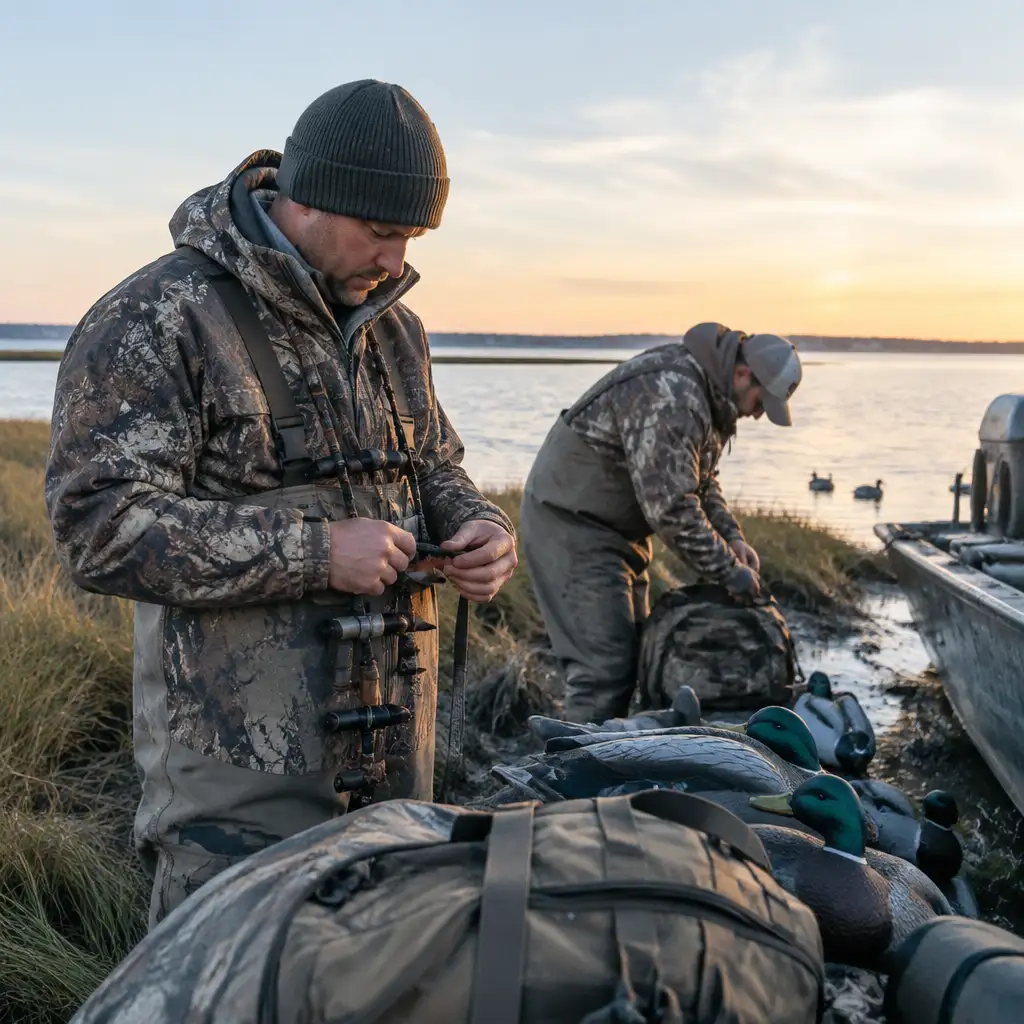
As the season approaches, hunters and charter operators around Chatham and Cape Cod should begin planning winter maintenance and storage. Preparing gear and boats now reduces last-minute repairs, prevents corrosion, and ensures teams are ready when waterfowl season opens. This checklist focuses on practical steps for winterizing firearms, decoys, calls, and vessels—helpful for both individual hunters and professional guides.
Guided duck hunts are an important seasonal offering for local outfitters, and thoughtful off-season care supports safety, conservation, and longevity of equipment. Whether you run commercial trips or hunt with friends, storage choices and routine inspections can save time and money the next season and keep your operation compliant with regulations.
If you’re planning ahead for fall and winter activities or scheduling guided trips, it’s a good time to review licensing, maintenance timelines, and storage options. For hunters interested in guided options, consider how preseason checks and paperwork fit into scheduling for guided duck hunts and other seasonal outings with experienced local operators like those based in Chatham.
Firearm and Ammunition Winterization Checklist
As the season approaches, now is the time to begin planning a deliberate firearm maintenance routine. Begin by performing a thorough cleaning of shotguns and any supporting firearms. Remove carbon and residue from barrels and chambers, lubricate moving parts with a light coat of a corrosion-inhibiting oil, and inspect for worn pins, springs, or sights that may need replacement.
Store ammunition properly: keep it dry and cool in sealed containers with silica packs. For larger guide operations, rotate stock and inspect boxes for moisture damage. Never store ammunition loaded in firearms for long-term storage; instead, keep weapons empty, action-opened if appropriate, and secured in a locked, dry cabinet that meets local legal requirements.
Safety checks before winter storage should include a functionality test (unloaded), verification of serial numbers for inventory, and safe storage devices such as trigger locks or gun safes. If you rely on a gunsmith for seasonal servicing, schedule appointments now—shops tend to fill as the season approaches, and early servicing prevents delays later.
Decoys, Lines, and Call Care for Winter Storage
Decoy care starts with cleaning: rinse salt and mud off floating decoys and allow them to dry completely to prevent mold. Replace frayed lines and inspect float collars or inserts for water intrusion. If you use stake-out or floating rigs, mark and bag assemblies so you can inventory what needs replacement in spring.
Realistic decoy storage saves replacement costs—store larger decoy bags in a ventilated, rodent-resistant space and avoid heavy stacking that can deform shells. Soft-shell canvas bags and racks that support decoys on edge work well in covered storage. Labeling bags with species and quantity expedites spring prep and helps maintain compliance with any species-specific regulations.
Calls and sound equipment deserve attention as well: foam and wooden calls can crack if kept in damp conditions. Wipe down calls, dry them thoroughly, and store them in cases with desiccant packs. For electronic calls and rechargeable systems, remove batteries and store cells in a cool, dry place; check manufacturer guidance for long-term battery storage.
Boat Winterization and Layup: Engines, Batteries, and Bilge
Boat winterization is one of the most important tasks for guides and charter operators. Start with the engine: change engine oil and filters, run treated fuel with stabilizer, fog the engine according to manufacturer recommendations, and flush cooling systems. For inboard and outboard engines used in saltwater around Nantucket Sound and Vineyard Sound, corrosion control is critical—inspect anodes, pumps, and cooling passages.
Batteries require special care. Charge them fully before storage, disconnect to prevent parasitic drain, and place them on a trickle charge in a ventilated area if possible. Label battery banks and record specific gravity if using flooded lead-acid cells. Replace old or weak batteries before spring to avoid downtime during early-season trips.
Bilge, pumps, and hoses should be cleaned and inspected for cracks or collapse. Check bilge pumps, float switches, and backup systems; if you carry a spare pump or fittings on board, store them accessible and dry. For commercial operators, ensure your vessel documentation and insurance reflect winter storage locations and that your skipper files any necessary notifications with the marina or storage yard.
Electronics, Safety Gear, and Regulatory Paperwork
Electronics such as chartplotters, GPS units, VHF radios, and fishfinders should be removed when possible and stored in dry, padded cases. Before packing electronics away, update charts and software and back up important waypoints or logs. Replace expired batteries in handheld devices and note any required software updates or subscriptions to address before early-season trips.
Safety gear needs an annual inspection: life jackets, throwable cushions, flares, fire extinguishers, and first-aid kits should all be checked for expiration dates and proper condition. Replace worn personal flotation devices and ensure that any required commercial vessel safety placards or manuals are kept current. For guides running trips in Chatham and the surrounding waters, maintaining up-to-date safety gear reinforces a safety-first reputation with guests.
Regulatory paperwork is part of the checklist. Renew state licenses, federal permits, and duck stamps well ahead of the season. Keep copies of registrations, insurance certificates, and any guide credentials accessible. Operators who run seasonal trips should remind clients about hunter education, state licensing windows, and documentation needed for participation in guided trips. For reference on scheduling and seasonal opportunities, consider contacting your local charter provider about timing for guided services.
Routine Maintenance Schedule for Guides and Operators
Routine schedules prevent small problems from becoming service interruptions. Create a quarterly checklist that includes mechanical inspections, inventory counts, and a preseason trial run. For safety and quality, note when test-firing shotguns for functionality is allowed and schedule timed practice with clients or staff during training days to keep skills current without violating local restrictions.
Document maintenance work and parts replacements in a vessel and equipment log. Keep records of engine hours, repairs, and parts orders—these logs help with warranty claims and give a clear picture of upcoming budget needs. Operators should also maintain an inventory of common spare parts and consumables so they can react quickly when conditions change.
Plan major services several months before the season opens. As the season approaches, schedule professional inspections for engines and hull integrity to account for service shop lead times. For teams offering public services, building time for staff certification refreshers, safety drills, and client communication templates into the schedule reduces last-minute stress and supports reliable operations.
Storage Solutions, Shrinkwrap, and Off-Season Logistics
Decide on on-site versus off-site storage early. Many Cape Cod operators rely on covered indoor storage to avoid freeze-thaw cycles and rodent damage; others use professional shrinkwrap and rack storage. If you use shrinkwrap, ensure vents are installed and the vessel is properly supported to prevent hull stress. Document the storage location and access permissions for commercial insurance and marina records.
For smaller items, invest in labeled, breathable containers; avoid plastic tubs that can trap moisture and encourage mold. For decoys and soft goods, breathable garment bags and shelving with airflow will extend usable life. Coordinate with fellow guides or local clubs for shared storage rack options to reduce individual costs and increase security.
Before moving equipment into storage, reconcile inventory and create a replacement list. This is the ideal time to order lines, spare propellers, or electronic upgrades so parts arrive before spring. Operators who want guidance on seasonal planning and service options can reference local charter resources and service providers in Chatham for timelines and recommendations.
Frequently Asked Questions
Q1: When should I start winterizing gear and boats?
A: Now is the time to begin planning—typically several weeks before freeze-up or when you finish your last outings. Starting early lets you schedule professional servicing, order parts, and complete license renewals before the rush as the season approaches.
Q2: What paperwork and licenses should hunters and guides renew in advance?
A: Renewal windows vary by state and permit type. Hunters should check state hunting licenses, federal duck stamps, HIP registration, and any guide or business permits. Guides should also verify vessel registration and insurance, and confirm that client waivers and safety briefings meet legal requirements.
Q3: What can clients expect from a guided duck hunt on Cape Cod?
A: Guided duck hunts typically include a safety briefing, licensed guides familiar with local marshes and tides, properly maintained boats, and a focus on conservation and legal compliance. Operators emphasize realistic expectations—wildlife activity depends on weather and migration patterns—and require appropriate licensing and hunter education for participants.
For hunters and operators looking for local support or guided opportunities, consider reaching out to a trusted local provider to discuss seasonal availability and planning for guided duck hunts.
Planning ahead for guided duck hunts on Cape Cod? Magic Fishing Charters offers seasonal duck hunting opportunities for licensed hunters during regulated hunting seasons. Duck hunts are $300 per person. Call 1-508-737-3367 to discuss scheduling, licensing, safety, and seasonal availability.