


Introduction
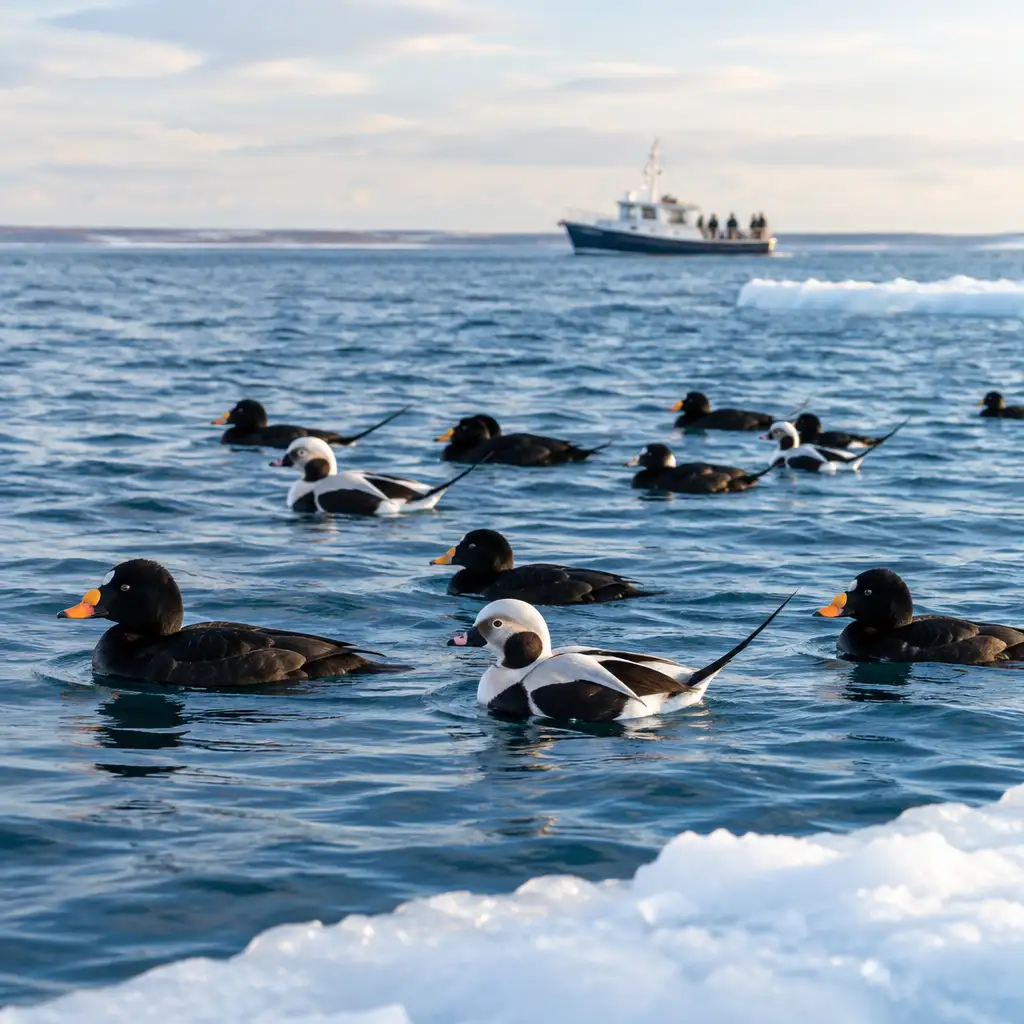
As the season approaches, hunters and wildlife enthusiasts planning trips around Nantucket Sound and Vineyard Sound should begin preparing for changing conditions that come with winter. In Chatham, MA and across Cape Cod, sea‑duck movement is closely tied to tidal cycles, the appearance of partial ice and ice edges, and episodic cold‑weather events. Understanding these factors helps set realistic expectations for waterfowl hunting Cape Cod, wildlife observation, and safe outings on the water.
Magic Fishing Charters brings local knowledge to seasonal planning and emphasizes safety and conservation. Now is the time to begin planning your trips, review licensing and regulations, and outfit yourself with weather‑appropriate gear so that you can enjoy the season responsibly. Conditions on the Sound can shift quickly; preparation and respect for wildlife help protect both people and birds.
This article explains how winter tides, partial ice, and cold snaps influence sea‑duck distribution and behavior near Nantucket and Vineyard Sound, and it offers practical advice for conservation‑minded hunters and observers. If you’re considering guided trips, or want to align expectations for the coming months, resources like Magic Fishing Charters can help with local insight and seasonal planning.
How winter tides shape sea‑duck distribution in Nantucket Sound and Vineyard Sound
Tidal cycles are a major driver of where sea‑ducks concentrate during the colder months. In winter, lower temperatures often compress prey into predictable tidal zones where currents concentrate invertebrates and small fish. Sea‑ducks such as scoters, eiders, and long‑tailed ducks follow those food concentrations, shifting location with the tide. Familiarity with local tidal flows around Nantucket Sound and Vineyard Sound is essential to anticipate where birds will feed and rest.
Slack tide and outgoing flows can expose productive shoals and nearshore feeding areas that sea‑ducks use during daylight. Conversely, strong incoming tides may push birds to deeper basins or lead them to cluster in sheltered coves. Hunters and observers who track tide tables and watch for consistent feeding windows often have more predictable viewing opportunities without disturbing birds during sensitive times.
Remember that tidal influence is also interwoven with weather and daylight. Short winter days change the rhythm of feeding and roosting, and combined with tides, produce patterns that experienced local guides and long‑time observers learn to read. For those arranging guided trips or want to anchor expectations to local expertise, services like Magic Fishing Charters provide seasonal insight and advice for planning your outing.
The role of partial ice, leads, and ice edges in sea‑duck behavior
Partial ice cover and the presence of consolidated ice edges create distinct habitat features for sea‑ducks. Many sea‑duck species are adapted to forage along ice margins where open water meets frozen expanses. These edges concentrate prey and offer resting spots that are protected from wind and predation. In Nantucket Sound and Vineyard Sound, where ice rarely becomes landfast for long periods, the formation of leads and small floes can nonetheless reshape local bird distribution.
Sea‑ducks often congregate along the first stable ice edge that forms as temperatures fall. These animals use the open water immediately adjacent to ice for diving and feeding. For hunters and wildlife watchers, recognizing where ice margins are forming and how they move with tide and wind is more useful than simply knowing the general area where birds have been seen.
Because small ice fields can shift with currents and storms, approach ice edges with caution. Marine operators and private boats should avoid pushing ice floes and should maintain respectful distances. Observers can find great photo and viewing opportunities at stable ice margins, but keeping a low profile and minimizing disturbance helps sea‑ducks conserve energy during winter.
Cold‑weather events: storms, north winds, and sudden temperature drops
Acute cold‑weather events—north winds, arctic blasts, or coastal storms—can trigger rapid redistribution of sea‑ducks. A stiff north wind can compact open water near shore or push ice edges southward, concentrating birds into sheltered bays or deeper basins. During these events sea‑ducks may become less mobile and more tightly bunched, which can change both hunting opportunities and wildlife‑watching conditions.
Storms and strong winds also influence sea state and visibility. Rough water reduces diving efficiency for some species and may force birds to seek calmer patches. After a storm, look for sheltered inlets and behind barrier beaches where ducks may rest while foraging resumes. Those patterns often persist for a few days as birds re‑establish feeding routines.
Because weather events can make conditions hazardous, safety must be the first priority. Sudden cold snaps can bring mixed ice and open water, creating navigation hazards. Local skippers and guides with experience in Chatham and the Sounds can advise on safe routes, likely bird locations, and when conditions make trips inadvisable. Checking forecasts and planning for contingencies protects both people and wildlife.
What these patterns mean for safe, conservation‑minded hunting
For licensed hunters, understanding tidal and ice dynamics is essential for safety and compliance. Winter tidal flows and shifting ice can affect where decoys and boats can be safely deployed and how retrievals are handled. Hunters should never place decoys where they could drift into dangerous ice or fast‑moving tidal channels, and they should be prepared for rapid changes that affect boat stability and access to shore.
Conservation‑minded hunting emphasizes minimizing disturbance and avoiding pressure on birds during energy‑critical times. Many sea‑duck species are under pressure in parts of their range; limiting shots to legal, ethical opportunities and respecting closure areas or advisories helps maintain healthy populations. Hunters should also be vigilant about lead‑free shot requirements and proper retrieval practices to reduce environmental impact.
Guided options can help hunters navigate these complexities. Experienced guides bring local fishing and hunting knowledge to the trip, including safe anchoring choices, efficient retrieval strategies, and an understanding of where disturbances are least harmful. If you are evaluating options, consider booking with operators that prioritize safety and conservation and follow state and federal migratory bird laws for waterfowl hunting Cape Cod.
Practical advice for wildlife observers and photographers
Observers and photographers looking ahead to winter sea‑duck viewing should plan for short days, colder temperatures, and the best vantage points for watching tidal and ice‑edge behavior. Scouting shoreline overlooks and shallow coves before a trip helps identify likely staging areas. Observers should approach quietly, use long optics, and avoid sudden movements that disperse resting flocks.
Photographers should be mindful of both safety and wildlife disturbance. Using longer lenses and shooting from stable, land‑based positions reduces the need to approach birds by boat. When boating, maintain respectful distances and avoid running engines close to feeding or resting groups. In many cases, patient observation from a distance yields better behavior from the birds and safer conditions for participants.
Tour operators that offer marine wildlife tours can provide educational context about sea‑duck species and behavior. For those interested in a broader marine experience, operators may also discuss whale and bird seasons, helping visitors combine wildlife observation with a lesson in local ecology. For scheduling and availability of wildlife tours and guided trips, consider contacting local providers who focus on safe, educational outings.
Preparing for winter: gear, regulations, and local knowledge
Now is the time to begin planning gear and logistics for winter outings. Layered clothing, insulated and waterproof outerwear, and reliable flotation devices are essential for trips on chilled waters. Hunters should check licensing, bag limits, and shot restrictions well ahead of the season, and observers should verify any access restrictions or advisories for viewing sites near Nantucket Sound and Vineyard Sound.
Local knowledge matters. Skippers and guides familiar with Chatham, MA conditions can advise on safe launch sites, tide windows, and where sea‑ducks are likely to concentrate under different scenarios. For people arranging guided experiences—whether hunting or wildlife viewing—working with a provider that emphasizes safety and conservation offers practical benefits and more realistic expectations.
If you’re coordinating trips or need guidance on seasonal planning, resources for planning your fishing trip and related coastal outings can be especially helpful. Operators who provide both fishing charters and guided duck hunts bring broader insight into tidal behavior and marine conditions, and they can help you schedule outings around the most favorable windows while respecting wildlife and regulations.
Frequently Asked Questions
Q1: How does seasonality affect sea‑duck presence in Nantucket Sound and Vineyard Sound?
A1: As the winter season approaches, sea‑ducks often move into the Sounds in response to colder water and food availability. Tides, ice formation, and episodic storms shift where birds feed and rest. Species composition can vary from early winter to late winter depending on ice extent and food concentration.
Q2: When should hunters and observers start planning trips for waterfowl hunting Cape Cod?
A2: Now is the time to begin planning. Early planning ensures you meet licensing and safety requirements, reserve guided trips, and prepare appropriate gear. Checking tide charts and local forecasts in advance will help identify safe windows and likely bird locations.
Q3: What should clients expect when booking charters or guided hunts in winter?
A3: Expect a focus on safety, realistic expectations, and conservation. Guides will advise on safe boat operations, legal harvest practices, and changing conditions. Wildlife sightings and hunting opportunities depend on weather, tides, and ice; reputable operators will not guarantee results but will provide local expertise and seasonal planning support.
Planning a Cape Cod fishing trip? Magic Fishing Charters offers professionally guided fishing charters from Chatham, MA, with seasonal opportunities for striped bass, bluefish, cod, haddock, and bluefin tuna when conditions allow. Call 1-508-737-3367 or visit Magic Fishing Charters to discuss availability and current seasonal conditions.