


Introduction
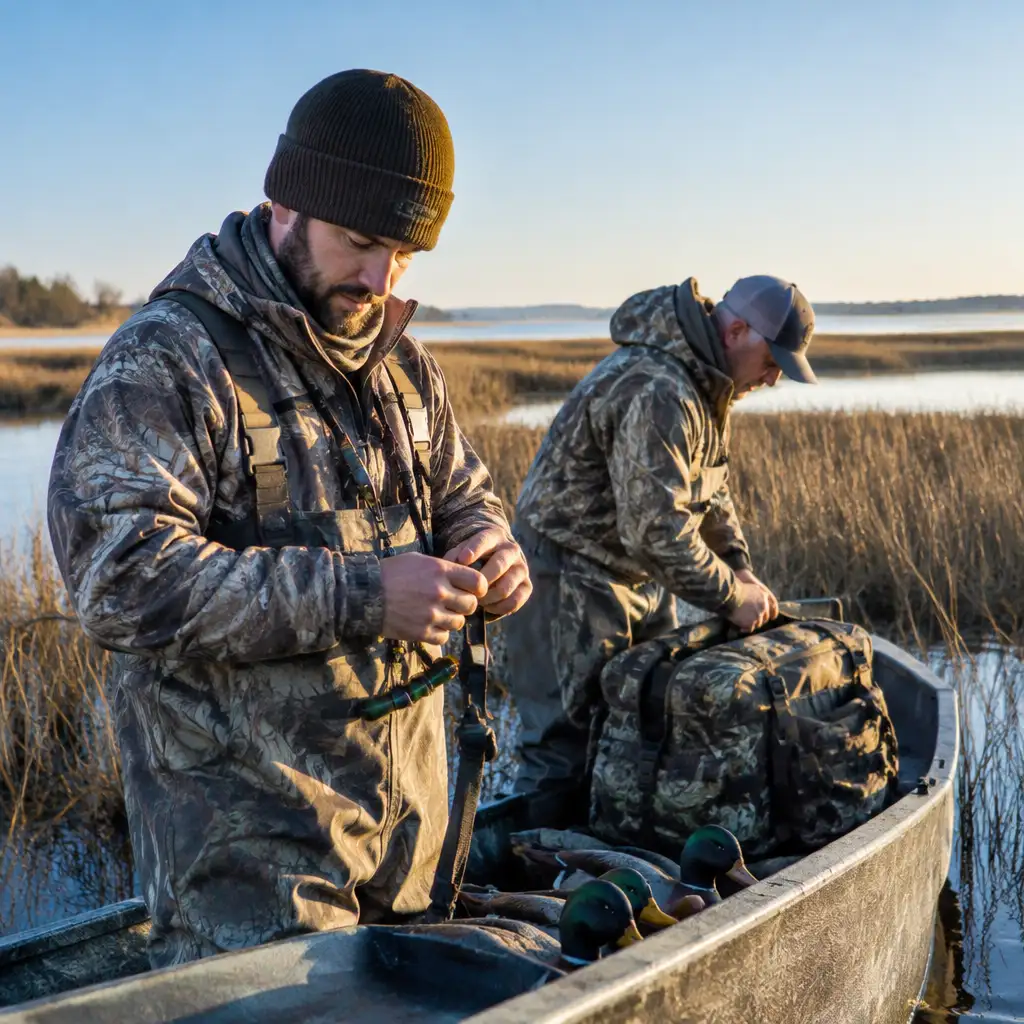
As the season approaches, hunters planning winter guided duck hunts from Chatham should begin arranging logistics now to reduce stress and maximize time on the water. Cape Cod’s coastal marshes and inlets offer productive waterfowl habitat, but winter conditions, tides, and daylight hours require intentional coordination. This guide walks licensed hunters through travel, lodging, launch logistics, day‑of timing, and safety preparations to arrange ahead of time.
Magic Fishing Charters brings local knowledge and seasonal experience to guided duck hunts Cape Cod hunters book from Chatham. Whether you are traveling in from out of town or leaving from a nearby rental, now is the time to begin planning transportation, accommodations, and the permitting and safety steps that make a hunt successful and compliant with state and federal regulations.
Realistic expectations are essential: weather, tides, and bird movements can vary from day to day. This article focuses on practical prep tasks hunters can complete in advance so the guided hunt itself runs smoothly and safely. Read the table of contents below to jump to the details you need.
Choosing dates and coordinating travel from Chatham
Now is the time to begin planning specific dates for your guided duck hunts Cape Cod clients often prefer. Winter hunting windows are constrained by reduced daylight and changing weather patterns, so work with your guide to select dates that provide favorable tides and the best safety margins. Ask about alternate dates if weather or sea conditions force a change; good guides will provide options based on local knowledge.
Travel coordination includes considerations for both local and out‑of‑town hunters. If you’re flying into the area, book flights that arrive the day before an early morning launch to avoid last‑minute delays. If driving to Chatham, factor in winter road conditions and parking at launch points. For smaller groups, ride‑sharing or staggered arrivals can ease staging at busy coastal ramps.
Discuss meeting locations and pre‑hunt communications with your guide. Magic Fishing Charters recommends confirming exact pickup or ramp locations in Chatham and a backup contact number in case cell service is spotty. If coordinating multiple vehicles, establish one driver to handle logistics to keep everyone on the same schedule and reduce time lost on the day of the hunt.
Nearby lodging and accommodation options for winter duck hunts
Booking lodging early gives you the best selection during the hunting season. Chatham offers a range of options from small inns and motels to vacation rentals that are winterized for cold weather. When selecting a place to stay, prioritize proximity to your launch point to minimize morning travel in low visibility and on cold roads.
Consider a lodging choice that allows for early check‑in or flexible arrival times — winter guided duck hunts often require meeting before dawn. Rentals with secure storage or a garage can be helpful for keeping decoys, waders, and firearms protected and dry. For larger parties, a rental with a mudroom or outdoor hose for rinsing gear can make end‑of‑day cleanup easier.
If you prefer an option with local support, reach out to Magic Fishing Charters for recommendations that match your group’s needs. Using local expertise when planning your stay reduces surprises on arrival and helps ensure you are positioned to get to the water on time.
Launch points, boat logistics, and permit considerations
Launch logistics are a core part of guided hunts from Chatham. Your guide will select launch points based on tides, bird movement, and safety, often using sheltered inlets off Nantucket Sound or protected marsh channels. Discuss the planned launch location before arrival so you know where to park, where to meet the crew, and what the staging area looks like in winter conditions.
Boat logistics include loading and unloading procedures, firearm and ammunition storage, and how decoys and gear are staged. On guided trips, the guide will outline safe firearm handling on board, but hunters should arrive with guns unloaded and in cases unless otherwise directed. If your group includes hunters who are less experienced with boat handling, communicate that ahead of time so the guide can plan extra safety briefings.
Confirm any local permits, launch fees, or restricted access requirements well in advance. Some ramps or marsh access points may have seasonal restrictions. If your hunt will use public or private lands adjacent to launch sites, the guide should clarify permissions and expectations. For details about guided services and local staging, see Magic Fishing Charters for how guided operations coordinate launches in the area.
Day‑of timing: arrival, staging, and weather windows
Day‑of timing for winter guided duck hunts requires precision. Aim to arrive at the agreed meeting point with time for a pre‑hunt safety briefing, gear check, and to get settled. Winter mornings are short, and light conditions change quickly; factoring in time for tide checks and last‑minute adjustments is essential.
Staging should include a clear plan for where each hunter will sit or stand, how decoys will be deployed, and who is responsible for retrieving equipment. Clarify restroom access and warming options before launching — cold conditions make brief warm‑up breaks important for comfort and safety. If anyone in your party has mobility constraints, notify the guide ahead of time to arrange accessible staging whenever possible.
Pay attention to the forecast and the guide’s local weather call. On Cape Cod, conditions over Nantucket Sound and Vineyard Sound can shift rapidly; a guide with local expertise will make real‑time decisions to keep the hunt safe while maximizing opportunities. Expect flexible scheduling and contingency plans rather than fixed guarantees about weather or bird movement.
Gear checklist and safety preparations to arrange now
Start preparing gear early to avoid last‑minute issues. Key items include appropriate cold‑weather waders or hip boots, layered clothing for variable conditions, raingear, thermal underlayers, and a reliable headlamp. Bring spare gloves, socks, and a towel to stay dry. Hunters should also pack food and warm non‑alcoholic beverages — sharing a thermos at the boat is a simple morale booster on chilly mornings.
Firearm and ammunition prep is equally important. Confirm gauge and shot size that comply with local regulations and the guide’s recommendations. Store guns in proper cases with actions open while transporting to the launch, and follow the guide’s instructions for board handling. Bring a basic cleaning kit, extra shells in waterproof containers, and any necessary maintenance tools to address fouling or malfunctions.
Safety equipment to verify in advance includes a properly fitting life jacket, signal devices, a charged mobile phone or VHF radio, and any personal medications. Discuss medical conditions or allergies with your guide confidentially so they can plan for an appropriate response. A short pre‑hunt safety briefing that covers hypothermia prevention, cold‑water immersion risks, and safe boarding procedures is standard practice on guided trips.
Licensing, regulations, and conservation practices to confirm
Confirm state licenses, federal duck stamps, and any required stamps or endorsements well before your hunt. Regulations for waterfowl hunting on Cape Cod follow Massachusetts and federal migratory bird rules; being sure your paperwork is in order prevents delays and legal issues on the morning of the hunt. If you need help understanding license requirements, contact your guide or the state wildlife agency in advance.
Conservation practices are central to sustainable hunting. Guided operators like Magic Fishing Charters emphasize responsible harvest, adherence to bag limits, and use of non‑toxic shot where required. Discuss harvest expectations with your guide so decisions are made before birds are encountered and so field dressing and transport plans are clear.
Also confirm how harvested birds will be processed and transported. Many guides can assist with basic field care, but hunters should know whether they need coolers, plastic bags, or other supplies to transport birds home. Conservation‑minded planning helps maintain healthy populations and ensures future access to prime hunting areas on Cape Cod.
Frequently Asked Questions
Q1: When should I start booking a winter guided duck hunt from Chatham?
A1: Now is the time to begin planning. Bookings fill based on guide availability and ideal tide windows. Contact your guide several weeks ahead to reserve dates and discuss contingency planning for weather-related changes.
Q2: What licensing and paperwork do I need for a guided duck hunt?
A2: Hunters must have a valid Massachusetts hunting license, the federal migratory bird hunting stamp (duck stamp), and any required state endorsements. Check deadlines for purchasing licenses and confirm with your guide to ensure compliance before the hunt.
Q3: What should I expect from a guided duck hunt in terms of logistics and safety?
A3: Expect a pre‑hunt safety briefing, clear loading and boat handling procedures, and guidance on safe firearm handling in a marine environment. Guides will plan launches and decoy setups around tides and bird movement while prioritizing safety and conservation practices.
For planning resources and to discuss how guided hunts are scheduled and run from Chatham, visit the Magic Fishing Charters site for more information about guided services and seasonal expectations.
Planning ahead for guided duck hunts on Cape Cod? Magic Fishing Charters offers seasonal duck hunting opportunities for licensed hunters during regulated hunting seasons. Duck hunts are $300 per person. Call 1-508-737-3367 to discuss scheduling, licensing, safety, and seasonal availability.