


Introduction
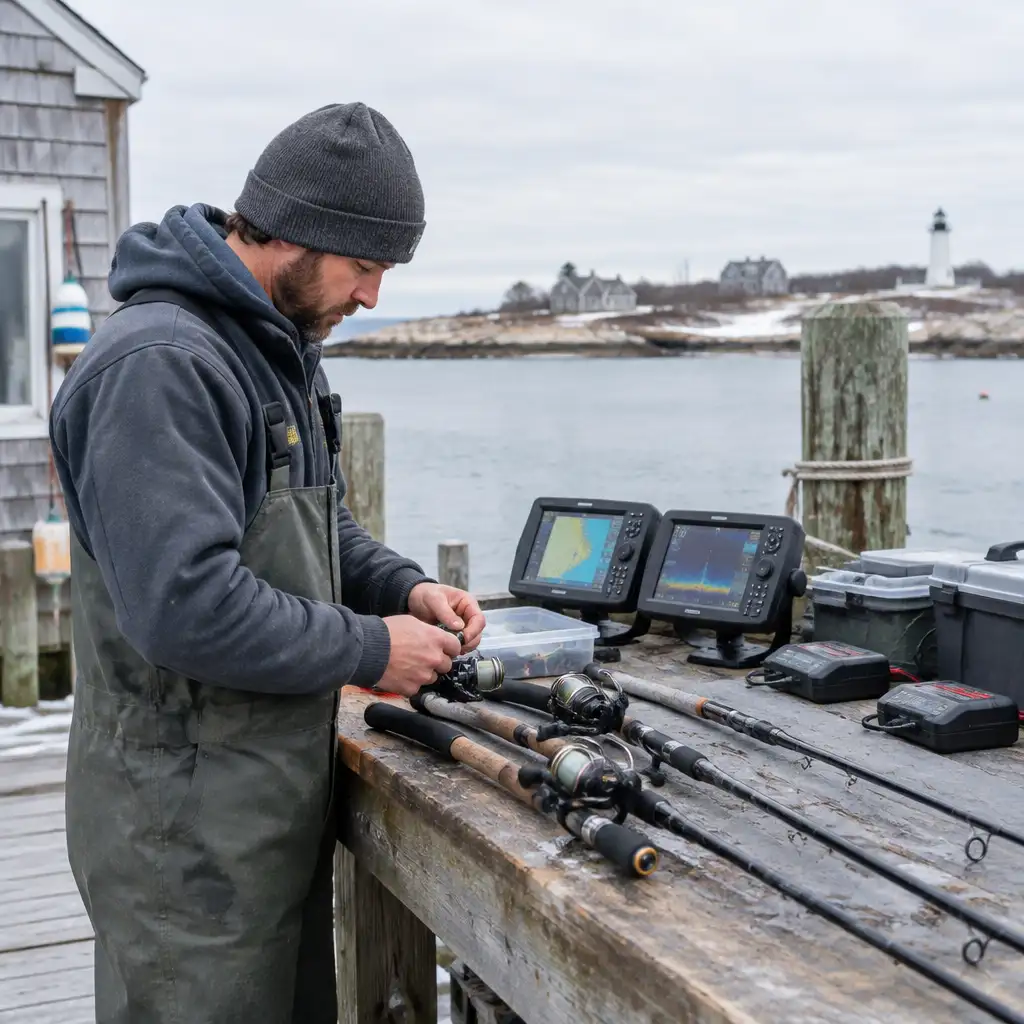
As the season approaches, Cape Cod anglers should begin preparing gear now so they’re ready for the early spring push for striped bass and bluefish. Winter on Cape Cod and in Chatham brings cold temperatures, salt spray, and variable storage conditions that can accelerate corrosion and wear if reels, rods, and electronics aren’t properly serviced. A thoughtful winter maintenance plan saves money, reduces downtime, and improves safety when the first warm water pulses bring fish back toward shore.
Magic Fishing Charters has guided hundreds of anglers through seasonal planning and gear preparation; taking a step-by-step approach to winter maintenance is one of the simplest ways to benefit from local fishing knowledge. Whether you store equipment at home, in a garage, or aboard a winterized boat, now is the time to begin planning for spring rigs—so you can focus on tides and bait movement when the season opens.
This article outlines a practical, experience-driven winter maintenance and storage plan for recreational anglers on Cape Cod, covering rod and reel servicing, electronics care, tackle preservation, and storage solutions geared to Chatham, Nantucket Sound, and Vineyard Sound conditions. The aim is realistic: reduce common winter problems and return to the water confident that gear will perform when striped bass and bluefish start moving inshore.
Winter-to-Spring Seasonal Overview for Cape Cod Anglers
Looking ahead to the upcoming season, anglers should understand how winter conditions on Cape Cod influence gear and species behavior. Water temperatures and bait movement drive where striped bass and bluefish will appear in spring; equipment problems caused by salt, moisture, and cold are common if gear is stored wet or unserviced. Planning gear maintenance alongside seasonal fishing plans reduces surprises once migration patterns change.
Spring striped bass fishing along Chatham and Nantucket Sound often follows a predictable warming pattern, but conditions may vary from year to year. Now is the time to inventory rods, reels, and electronics and prioritize critical repairs so you’re not racing the tide when the bite starts. Use local forecasts and resources for timing, and factor in time to have reels professionally serviced if needed.
Conservation and safe operation remain central. Properly maintained gear reduces lost tackle and the risk of line failure that can endanger wildlife or create debris in the water. Integrating winter gear care into your seasonal planning supports both better fishing and healthier Cape Cod waters.
Step-by-Step Rod and Reel Servicing Plan
Start with a full inventory—lay out rods and reels, noting model, line class, and any visible damage. Inspect rod guides for nicks using a cotton swab or finger; even a small burr can cut braid or monofilament. Check ferrules, reel seats, and handles for cracks or salt buildup. If a rod shows structural damage, set it aside for repair or replacement rather than risking breakage in spring.
Reel servicing should include these steps: carefully back off the drag and remove the spool; rinse loose salt with fresh water and a soft brush; dry components thoroughly on a clean towel. For spinning reels, lightly lubricate the main shaft and any bearings with manufacturer-recommended oil and apply a thin coat of grease to gears. For baitcasting reels, address spool tension and clean brake assemblies. If you’re unfamiliar with disassembly, consider a professional service—many local tackle shops in the Cape Cod region or the manufacturers can service reels correctly.
Replace worn lines during winter when you have time to test wind and drag. Braided lines exposed to UV and abrasion can lose strength; monofilament absorbs water and can degrade over time. Transfer leaders, check knots, and retie any weakened connections. Keep a log of reel maintenance dates—regular servicing every 12 months or after particularly corrosive seasons helps avoid failures on the water.
Electronics and Battery Care: Chartplotters, Fishfinders, and GPS
Electronics are often the most expensive gear to replace or repair, and winter storage mistakes can be costly. Before storing, remove power, back up waypoints and routes, and update firmware. Store removable transducers and sensors in a safe, padded place to prevent impact damage. If devices remain mounted in the boat, ensure all covers are in place and connections are sealed against condensation.
Batteries require special attention. Fully charge batteries before storage and disconnect them to prevent parasitic drain. Store batteries in a cool, dry place off concrete floors and maintain a 40–60 percent charge for long-term storage if recommended by the manufacturer. For lead-acid batteries, periodic top-ups and float charging during winter prevent sulfation; for lithium batteries, follow manufacturer guidance closely.
Condensation in coastal garages and boat houses can cause corrosion inside housings. A simple desiccant pack placed near stored electronics or keeping devices in tightly sealed cases slows moisture ingress. When bringing equipment back into use, allow electronics to reach ambient temperature before powering on to avoid thermal stress and use a soft brush to clear connectors before reconnecting batteries.
Tackle and Lure Preservation: Hooks, Lines, and Terminal Tackle
Tackle boxes are often neglected until the season starts; salt and moisture trapped inside can ruin hooks, swivels, and lures. Empty tackle boxes, rinse with fresh water, dry thoroughly, and replace rusted hardware. Store lures separated by type and avoid tightly coiling monofilament at small diameters for long periods—loose coils lessen memory and tangles. Label replacement dates on terminal tackle so you know when pieces were last inspected.
Hooks should be checked for rust and sharpness. Use a hook file to re-sharpen dulled points, and discard any hooks with significant corrosion. Swivels, snaps, and split rings should be inspected under light; replace items showing pitting or compromised spring tension. Keep spare terminal tackle in sealed containers with silica packets to minimize moisture.
Soft plastics can stick together in cold or warm storage if stored improperly. Use compartmentalized containers that allow airflow and avoid long-term exposure to sunlight or high heat. For leaders and tippet material, rotate stock: replace leaders that have been stored for multiple seasons, especially if they were exposed to salt or fluctuating temperatures.
Best Winter Storage Solutions for Boats, Rods, and Reels on Cape Cod
Choosing the right storage location makes a big difference. Indoor, climate-controlled storage is ideal for electronics and wooden-handled rods. If indoor storage isn’t available, use insulated rod tubes, breathable rod socks, and reel covers to protect equipment from salt spray and temperature swings. Avoid attics or direct sunlight where heat cycles can accelerate adhesive and line degradation.
If you store gear aboard a winterized boat, secure rods in racks with padding and remove reels where possible. Use desiccants in enclosed compartments and make sure bilge pumps and ventilation systems are winter-ready to avoid moisture accumulation. For trailers, elevate boats on stable stands and use breathable covers that prevent pooling and mold while allowing moisture to escape.
For anglers without indoor space, local marinas and storage facilities around Chatham and Cape Cod offer winterizing services; consider professional shrink-wrap only when ventilation and drip prevention are addressed. Label gear clearly and keep a master inventory so nothing is overlooked when you pull gear out for spring—an inventory reduces duplicate purchases and helps plan any professional servicing ahead of the season.
A Practical Winter Maintenance Schedule: Month-by-Month Checklist
Now is the time to begin planning a realistic month-by-month schedule that spreads tasks over winter rather than trying to complete everything in one weekend. A good plan looks like this: December — inventory, remove lines, and charge batteries; January — deep clean reels and send major reels for professional service; February — update electronics firmware, test batteries, and replace leader material; March — final checks, rig rods, and test all systems before the first inshore trips.
Include safety checks in the schedule: inspect life jackets, flares, and first-aid supplies, and renew any expired safety gear. Coordinate with charter schedules or local tackle shops for busy-service times; scheduling early can get your reels back well before the spring run. Keep records of services, part replacements, and purchases so you can track costs across seasons and make informed decisions about upgrades.
Alongside the calendar, create a short checklist for each gear category—rods, reels, electronics, tackle boxes, and boat systems. Checklists reduce overlooked items and are especially helpful if you store gear in multiple locations. Use this time to practice knots and refresh safety procedures so when the first warm tides arrive you’re thinking about tides and bait, not last-minute repairs.
Frequently Asked Questions
Q1: When should I start winterizing gear if I plan to target striped bass in early spring?
A1: Anglers should begin preparing in late fall and use winter months for detailed servicing. As the season approaches, schedule reel servicing, update electronics, and replace old line so your rods and reels are ready when early water warming brings striped bass toward Chatham and Nantucket Sound.
Q2: Can I store batteries on my boat or should they be removed for winter?
A2: Removing batteries and storing them in a cool, dry place is often best to prevent parasitic drain and freezing risk. At a minimum, maintain a float charge per manufacturer recommendations; lead-acid batteries may need occasional topping up, while lithium batteries have specific storage charge requirements—follow the manufacturer’s instructions for safe winter storage.
Q3: How does winter gear care affect booking a charter or planning a family trip in spring?
A3: Proper winter maintenance reduces last-minute gear failures that can affect trip quality. If you’re considering a guided trip or need advice on preparing gear for a family fishing day, contacting local professionals early helps with planning. Magic Fishing Charters and local tackle shops can advise on timelines, and the company also offers guidance on what to ready for seasonal fishing trips and guided duck hunts as seasons change.
The best Cape Cod fishing experiences often begin with good planning. Whether you are looking ahead to striped bass season, bluefish action, offshore tuna trips, or a family-friendly day on the water, Magic Fishing Charters can help you understand what to expect as the season approaches. Call 1-508-737-3367 to start planning your trip.