


Introduction
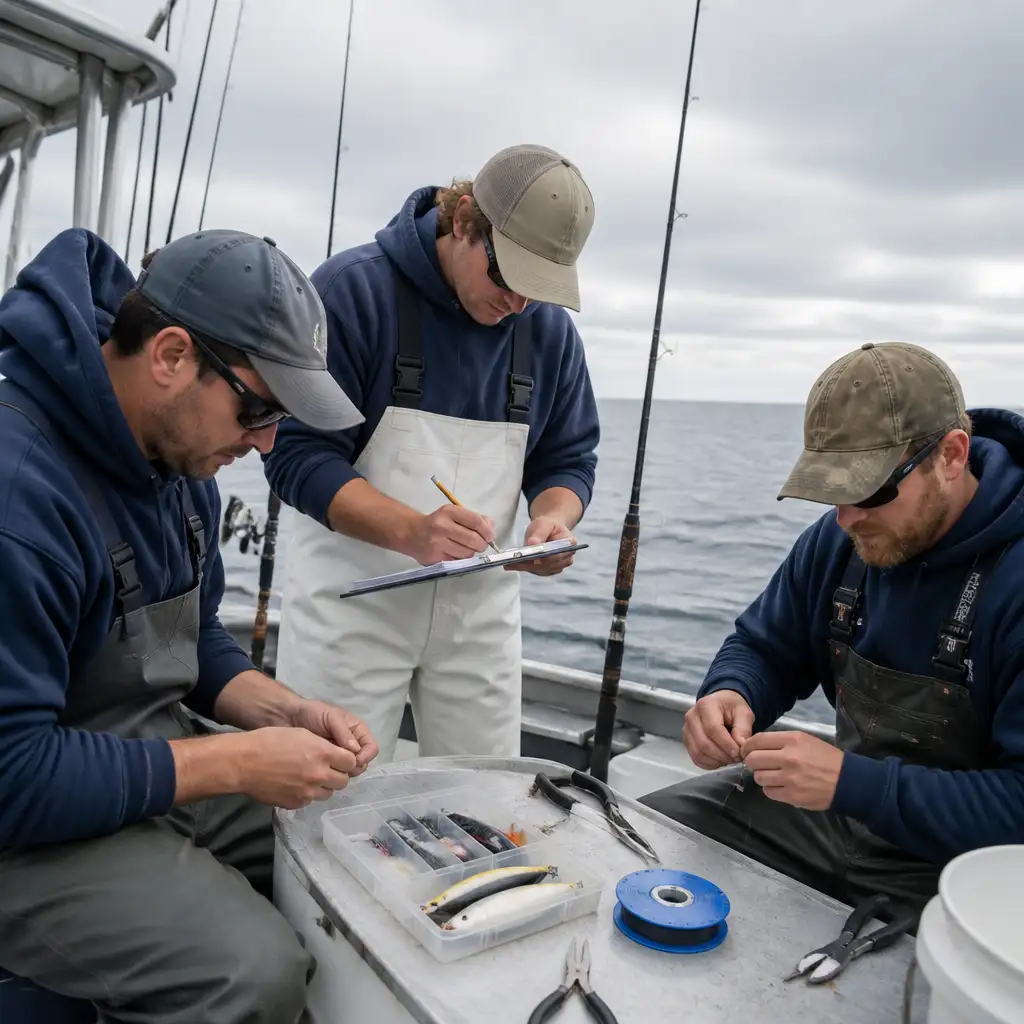
As the season approaches, anglers planning fall trips out of Chatham and Cape Cod should begin preparing not only for offshore fishing conditions but also for how they can contribute to bluefin tuna conservation. Bluefin tuna fishing in New England draws a lot of attention each year; responsible reporting, participation in tagging programs, and ethical handling all help researchers and managers improve stock assessments and keep recreational opportunities open for the long term. Now is the time to begin planning your trip and learn how to act as a productive partner in conservation while you’re offshore.
On Cape Cod, local conditions—water temperature changes, bait movement, and weather—shape how tuna show up in fall. Realistic expectations are essential: catches vary with conditions, and safety must come first when heading offshore into Nantucket Sound, Vineyard Sound, or further into the Atlantic. As you prepare, consider how your actions can reduce stress on fish, produce useful data for scientists, and support community-based conservation efforts.
Whether you book a private offshore trip or join a guided tuna charter, a little preparation goes a long way. This guide covers what anglers need to know about tagging programs, accurate reporting, handling practices that minimize harm, regulatory compliance, and ways to support local research and conservation beyond the boat. For information on booking offshore trips and seasonal planning, contact Magic Fishing Charters to discuss options from Chatham.
How Fall Bluefin Tuna Season Looks on Cape Cod
Looking ahead to the upcoming fall, anglers should expect transitional conditions around Cape Cod as surface temperatures cool and bait schools change location. Fall often brings dependable bait movement that concentrates feeding tuna offshore, but timing and location shift from year to year. Local experience—knowledge of Nantucket Sound and Vineyard Sound patterns and offshore current changes—helps crews find productive water and set realistic goals for each trip.
Fall trips frequently involve longer runs offshore and a heavier emphasis on safety preparation and cold-weather gear. Vessel readiness, fouling-free decks, and thoughtful tackle selection matter more as days shorten and sea states can be less forgiving. Magic Fishing Charters and other local guides adjust plans based on seasonal cues and client experience, aiming to maximize time on productive water without compromising safety.
It’s also a season when conservation-minded practices pay dividends. With focused effort from anglers—accurate reporting of encounters, voluntary participation in tagging, and careful handling—researchers can refine migration maps and mortality estimates. That kind of community-supported data collection helps managers set sensible regulations that balance recreational opportunities with the need to protect stocks.
Participating in Tagging Programs: What Anglers Should Know
Tagging is one of the most direct ways anglers can help science. Several programs invite recreational anglers and charter crews to tag bluefin tuna with conventional or electronic tags; these provide movement and growth data that inform management. If you plan to participate, learn the specifics of the program you’re working with—eligibility, tag types, deployment techniques, and reporting requirements—before leaving the dock.
On the boat, communication between angler and captain matters. The crew should be briefed on tagging procedures so the fish can be handled quickly and safely. Time on deck should be minimized: have the tag applicator, data forms, cameras, and release gear ready before the fish is brought alongside. Many tagging programs offer short training materials or videos—review those in advance so you know what to expect on an offshore trip.
Keep in mind that tagging is voluntary and conditional on the health and size of the fish. If a fish shows excessive exhaustion or injury, the priority is its welfare; tagging may not be appropriate. Tagging programs also rely on accurate metadata—date, time, GPS location, estimated length and weight, and any notable behavior—so be prepared to record these details promptly and clearly.
Accurate Reporting: Logbooks, Photos, and Reporting Systems
Accurate reporting amplifies the value of every encounter. Whether reporting a recapture, a tag deployment, or an incidental contact, detailed logs help scientists track trends. Maintain a simple logbook on board that records date, time, coordinates, species, size estimates, tag numbers, and brief notes on the fish’s condition. Digital forms provided by tagging programs or manager portals are increasingly common and can streamline submission after you return to port.
Photos are an important supplement to written reports. Clear images of the fish’s flank next to a measurement device, close-ups of tag placement, and a shot showing the boat’s position relative to visible landmarks can all be useful. When photographing, follow best practices to minimize handling time and stress—have the camera ready, shoot quickly, and avoid lengthy poses with the fish on deck.
Many regional programs and research institutions publish step-by-step reporting instructions. If you charter with a local captain, they can submit reports for you or walk you through the online portals. If you’re planning future trips, check with your guide about how they handle tagging and reporting—this is part of the local fishing expertise you get when you book a guided trip on Cape Cod.
Minimizing Stress on Bluefin: Best Handling and Release Practices
Minimizing stress improves survival for released tuna. Before a trip, pack gear that facilitates quick, safe handling: dehooking tools, circle hooks when appropriate, a soft release cradle or sling, and a pump or large-bore hose for in-water revival if needed. Use the boat’s fighting chair and gaff carefully; many captains favor tagging and releasing larger fish with minimal lifting to reduce internal injury.
When a fish is alongside, reduce air exposure and avoid dragging fish onto hard surfaces. If a brief deck check is necessary for tagging or measurement, keep it under a minute and keep the fish wet. Use wet towels and a shaded area to reduce temperature shock. For exhausted fish, revive by keeping the fish in the water and slowly moving the boat to force water across the gills until the fish shows strong tail-beat and can swim away on its own.
Every action should prioritize safety for crew and anglers as well as the fish. Large bluefin are powerful and can injure people and themselves if handled improperly. Work with an experienced captain who understands how to transition from catch to tagging or release, and practice calm, coordinated teamwork when a tuna comes aboard.
Regulatory Compliance and Safety for Offshore Tuna Trips
Regulations for bluefin tuna are complex and change periodically; anglers should check current federal and state rules well before a fall trip. Bag limits, size rules, and permitted gear types are enforced to meet stock-rebuilding goals. Your charter operator should have up-to-date knowledge of these regulations and will plan trips that comply with permit conditions and reporting obligations.
Safety is also paramount when planning offshore runs to tuna grounds. Fall conditions can be variable; prepare with appropriate cold-weather layers, foul-weather gear, and safety equipment. Discuss emergency procedures and the charter’s safety kit during your booking and pre-departure briefing. The captain should also brief guests on moving around the deck, using the fighting chair, and what to do during a fish fight to reduce accidents.
Working with local professionals gives you the best combination of safety and conservation awareness. A guided offshore trip with an experienced crew provides the local fishing expertise needed to operate within regulatory frameworks while reducing risk to both people and fish. If you’re unsure about rules or reporting, ask your charter operator—or consult official fisheries websites—before you go.
Supporting Local Conservation Beyond the Boat: Clubs, Research, and Donations
Anglers can support bluefin conservation in ways beyond tagging and reporting at sea. Local fishing clubs, university research projects, and non-profit organizations often run outreach programs, fundraising events, or volunteer data-collection efforts. Joining or supporting these groups helps ensure long-term monitoring, better public outreach, and improved management recommendations.
Consider donating time or resources to local research initiatives that work in Cape Cod waters and the broader Atlantic. Contributions of data, volunteer hours on citizen science projects, or modest financial support for tagging programs can pay dividends. Charter operators sometimes partner with researchers and can direct you to reputable programs that prioritize ethical science and transparent use of funds.
Finally, share responsible practices within the fishing community. Teaching less-experienced anglers how to handle and report bluefin encounters, promoting ethical catch-and-release protocols, and supporting sustainable charter operations all build a local culture that values conservation. Small, consistent actions across many anglers contribute to meaningful improvements in stock stewardship.
Frequently Asked Questions
Q1: When is the best time in fall to plan a bluefin trip around Cape Cod, and how should I set expectations?
A: Seasonality varies year to year, but looking ahead to the upcoming fall, many captains monitor water temperature and bait movement to time offshore runs. Set realistic expectations: conditions, weather, and tuna movement are variable. Discuss timing with your charter and be prepared for a flexible plan that prioritizes safety and opportunity rather than guaranteed results.
Q2: What should I bring and how should I prepare for tagging, reporting, or participating in research on an offshore charter?
A: Bring proper clothing for changing conditions, waterproof logbooks or note-taking tools, a camera with charged batteries, and any documentation associated with the tagging program. Review tagging program instructions ahead of time and discuss procedures with your captain. If you’re booking a guided trip, ask how the crew handles tagging and reporting so you know what role, if any, you’ll play during the encounter.
Q3: How do charters balance conservation, safety, and regulatory compliance, and can I combine tuna trips with other seasonal activities like whale watching or duck hunts?
A: Professional charters operate within the regulatory framework, emphasizing safety and ethical handling. Captains adjust trips based on permits, seasonal conditions, and client experience. Whale watching and marine wildlife tours are separate activities with different goals and timing; guided duck hunts are seasonal and regulated—contact your charter operator to discuss availability, safety practices, and how different services are scheduled around seasonal priorities.
Interested in offshore bluefin tuna fishing from Cape Cod? Magic Fishing Charters plans tuna trips around seasonal conditions, safety, regulations, and realistic expectations. Call 1-508-737-3367 or visit charterfishingcapecod.com to ask about upcoming tuna charter availability.