


As the season approaches, families planning late-fall marine outings around Chatham should begin preparing for changing conditions on Cape Cod waters. Whale watching Cape Cod has long been a highlight for vacationers and wildlife enthusiasts, but late fall brings cooler water, shifting prey, and migration patterns that can make whale sightings less predictable. Now is the time to begin planning trips with realistic expectations and backup options that still deliver memorable marine experiences.
Magic Fishing Charters operates locally from Chatham and emphasizes safety, education, and conservation on every trip. Looking ahead to the upcoming season, family groups and non-angling visitors can benefit from local knowledge about where to look for whales in Nantucket Sound and Vineyard Sound—and when to pivot toward other reliable wildlife sightings such as seals, seabirds, and dolphins. These alternatives are often abundant and provide excellent opportunities for close, educational observation.
Planning a successful late-fall outing means thinking beyond a single target species. Conditions may vary from day to day, and wildlife activity depends on water temperature, bait movement, and weather. By preparing for multiple viewing opportunities and following conservation-minded guidelines, families can enjoy safe, engaging, and educational marine tours even when whale sightings are uncertain.
Why late-fall whale sightings near Chatham become uncertain
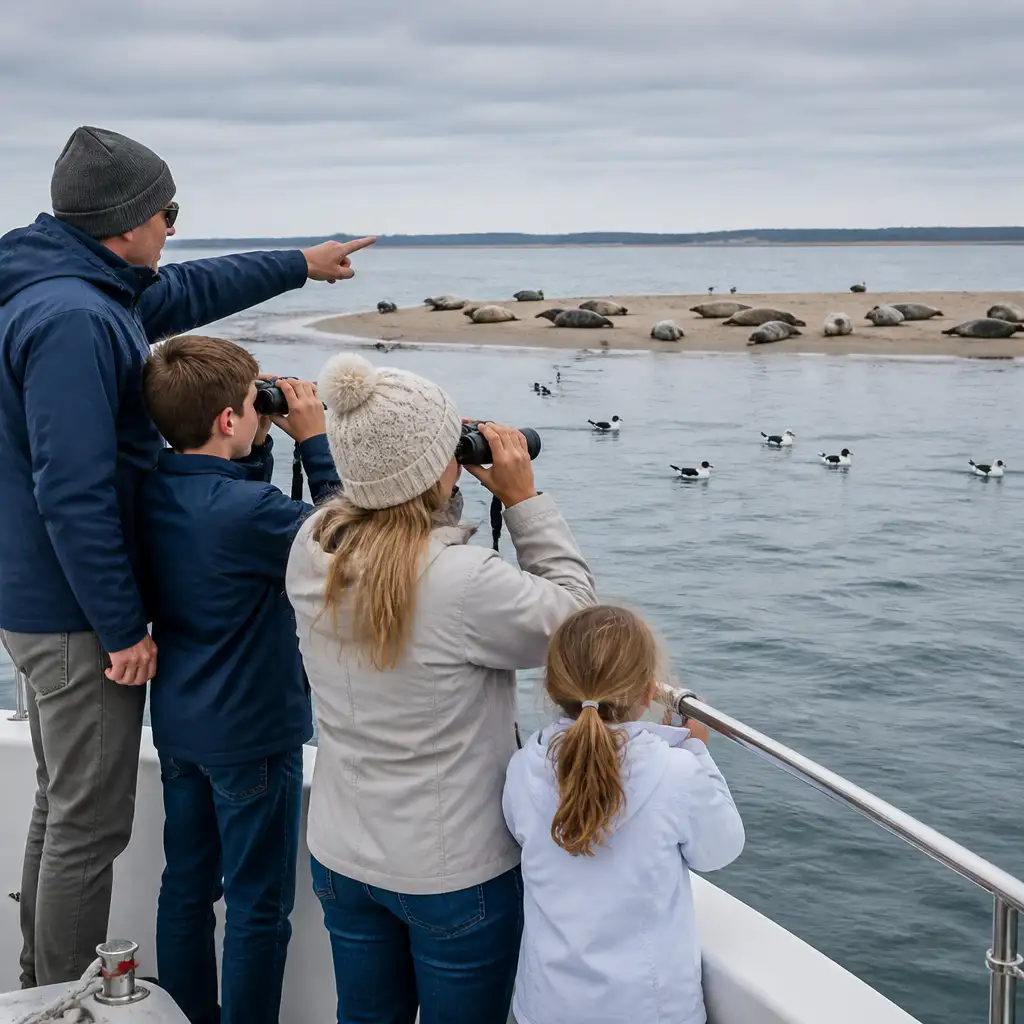
As fall approaches, feeding and migration patterns start to shift. Many of the prey species whales track—small schooling fish or squid—move with changing water temperatures and currents, and whales follow them. Around Chatham, Nantucket Sound and Vineyard Sound can cool quickly in late fall, prompting whales to move offshore or along different migration corridors. These natural shifts make whale watching Cape Cod less predictable than during peak summer months.
Weather also plays a major role. Late-fall conditions often include stronger winds, fog, and shorter daylight hours, all of which reduce the amount of time a charter can safely spend on the water and limit the areas accessible to smaller family-friendly vessels. Local captains routinely adjust plans to prioritize passenger safety and comfort, which means looking for wildlife in sheltered waters or returning to port early when conditions are unfavorable.
Finally, individual whale behavior is variable. Some animals may linger nearshore later into the season, while others begin long-distance movements. For families, that unpredictability underlines the advantage of choosing a charter that emphasizes broader marine wildlife experiences rather than promising specific whale sightings. For information about local options and to understand seasonal expectations, families often check with the company website and providers of whale watching opportunities for the latest local guidance.
Best alternative wildlife to watch in late fall: seals, seabirds, dolphins
When whales are scarce, late fall still offers a rich array of marine life around Chatham. Harbor and gray seals remain common on sandbars and nearshore islands; they haul out in visible groups and are often curious about passing boats. Seal-watching can be an excellent substitute for whales—seals are easier to find close to shore and provide predictable observation opportunities that are ideal for families with children.
Seabird activity is another rewarding sight. Gulls, terns, alcids, and diving species concentrate where baitfish are present, and migratory flocks moving along the Cape Cod coast create dynamic viewing. Birdwatching from a small boat or even from protected coastal vantage points can be educational and accessible for younger participants. Bring binoculars and a simple field guide to turn sightings into a learning moment.
Bottlenose and common dolphins are also occasionally seen in Vineyard Sound and Nantucket Sound in fall. These marine mammals often ride bow waves and feed on the same bait schools smaller predatory fish use. Dolphins’ energetic surface behavior is an engaging experience for kids and adults alike, and because they can be present closer to shore, they serve as another reliable alternative to whales for family tours.
Choosing the right tour for families: boats, duration, and guides
Now is the time to begin planning the right type of tour for your family. Choose vessels sized and equipped for comfort in cooler fall conditions—enclosed or semi-enclosed cabins, stable decks, and experienced crew who prioritize family safety. Shorter trips (2–3 hours) are often preferable with younger children; they balance time on the water with attention spans and reduce exposure to wind and cold.
Guide experience matters. Look for charters that emphasize marine education and local knowledge of Nantucket Sound and Vineyard Sound. A knowledgeable captain can shift from whale-focused searching to seal or bird watching based on real-time conditions, pointing out behaviors and explaining ecology in kid-friendly ways. When you book, ask about the captain’s experience with family groups and the kinds of wildlife commonly observed in late fall.
Flexibility in itineraries is useful. Operators who can adapt routes depending on weather and wildlife movement will maximize the chances for meaningful encounters. Before booking, check descriptions for family-friendly amenities—life jackets of multiple sizes, sheltered seating, and the option to shorten the trip if weather changes. These practical considerations improve the overall experience, especially in late-fall conditions.
Safety and comfort considerations for late-fall marine outings
Safety first: late-fall waters are colder and the chance of choppy conditions is higher. Dress in layers, bring waterproof outerwear, and pack hats and gloves even on bright days. Cold, wet conditions increase the risk of hypothermia, especially for children, so ensure everyone has warm, dry clothing to change into after the trip. Captains will brief guests on safety procedures, life jacket use, and motion-sickness precautions before departure.
If anyone in your group is prone to seasickness, start preventive measures the night before and again the morning of the trip. Choose seating on the boat where motion is minimized—typically central seating close to the waterline—and keep snacks and water on hand. For families, consider bringing small activities and cameras to keep children engaged during slow periods on the water.
Accessibility and comfort also matter: check whether the charter provides restroom facilities, sheltered areas, and clear instructions for boarding and disembarking. Because local captains often have deep experience with Chatham waters, they will plan trips that minimize unnecessary exposure while maximizing wildlife viewing opportunities in safe, protected zones when conditions warrant.
Educational activities and games to enhance family wildlife tours
Turn a late-fall tour into an educational adventure by planning simple activities that are appropriate for boat time and the outdoors. A marine wildlife checklist encourages kids to look for seals, dolphins, different seabirds, and other signs like bait schools. Bringing a laminated checklist and a pair of binoculars makes observation interactive and memorable.
Short, guided games—such as “spot the flipper” or a timed bird-identification challenge—help maintain enthusiasm and teach observation skills. Encourage children to sketch animal behavior or note differences between species; these small tasks cultivate curiosity without interfering with safety instructions or the crew’s work. Captains who provide commentary about local ecology and conservation strategies add valuable context to these activities.
For slightly older children, basic citizen-science tasks are possible with the crew’s guidance: noting species seen, number of animals, and location can feed into local monitoring efforts. Even simple conversations about food chains, migration reasons, and human impacts on marine life build lasting appreciation. When families plan ahead, tours become both recreational and educational, delivering value even if whales are not present that day.
Conservation-minded viewing: guidelines for respectful wildlife encounters
Conservation should be central to any wildlife tour. Keep a respectful distance, avoid loud noises, and never attempt to feed or touch wild animals. These practices protect both wildlife and observers and are especially important when viewing seals or dolphins in confined nearshore areas. The Massachusetts wildlife guidelines stress non-interference—operators and guests both play a role in minimizing disturbances.
Boaters should follow the lead of experienced captains who know established viewing distances and legally required setbacks. When whales are present, regulations and best practices require slow approaches and steady behavior to avoid stressing the animals. In late fall, the same care applies to seals and bird colonies; many species are in crucial stages of migration or molting and are vulnerable to disturbance.
Supporting conservation can also mean choosing tour operators who prioritize data collection and education. Some charters participate in monitoring efforts or contribute sighting data to local research groups. Families interested in learning more can ask about a captain’s conservation practices and whether the charter partners with local organizations for long-term stewardship of Cape Cod marine habitats.
Frequently Asked Questions
Q1: How likely are whale sightings on late-fall tours out of Chatham?
A: As the season approaches, sightings become less predictable. While whales can still be seen in Nantucket Sound and Vineyard Sound in late fall, their presence depends on prey movement, water temperature, and migration timing. Many operators recommend planning for multiple wildlife experiences rather than relying on whale sightings alone.
Q2: What should families bring and how should they prepare?
A: Dress in warm layers with waterproof outerwear and bring hats and gloves. Pack motion-sickness remedies if needed, binoculars, a small camera, and snacks. Confirm with the charter about life jackets for children, restroom access, and the trip duration. Now is the time to begin planning to ensure appropriate clothing and expectations for cooler, changeable conditions.
Q3: What can I expect from a charter if weather or wildlife conditions change?
A: Reputable operators prioritize safety and will adapt routes, shorten trips, or recommend alternative experiences such as closer-in seal and bird watching. Communication before departure about weather policies and flexible scheduling helps families plan. For additional details on seasonal offerings and expectations, many visitors consult local listings of whale watching opportunities and marine wildlife tours before booking.
For guests who want to experience Cape Cod’s waters without fishing, Magic Fishing Charters offers seasonal marine wildlife and whale watching opportunities when conditions and timing are appropriate. Call 1-508-737-3367 to ask about upcoming tour availability and seasonal expectations.