


Introduction
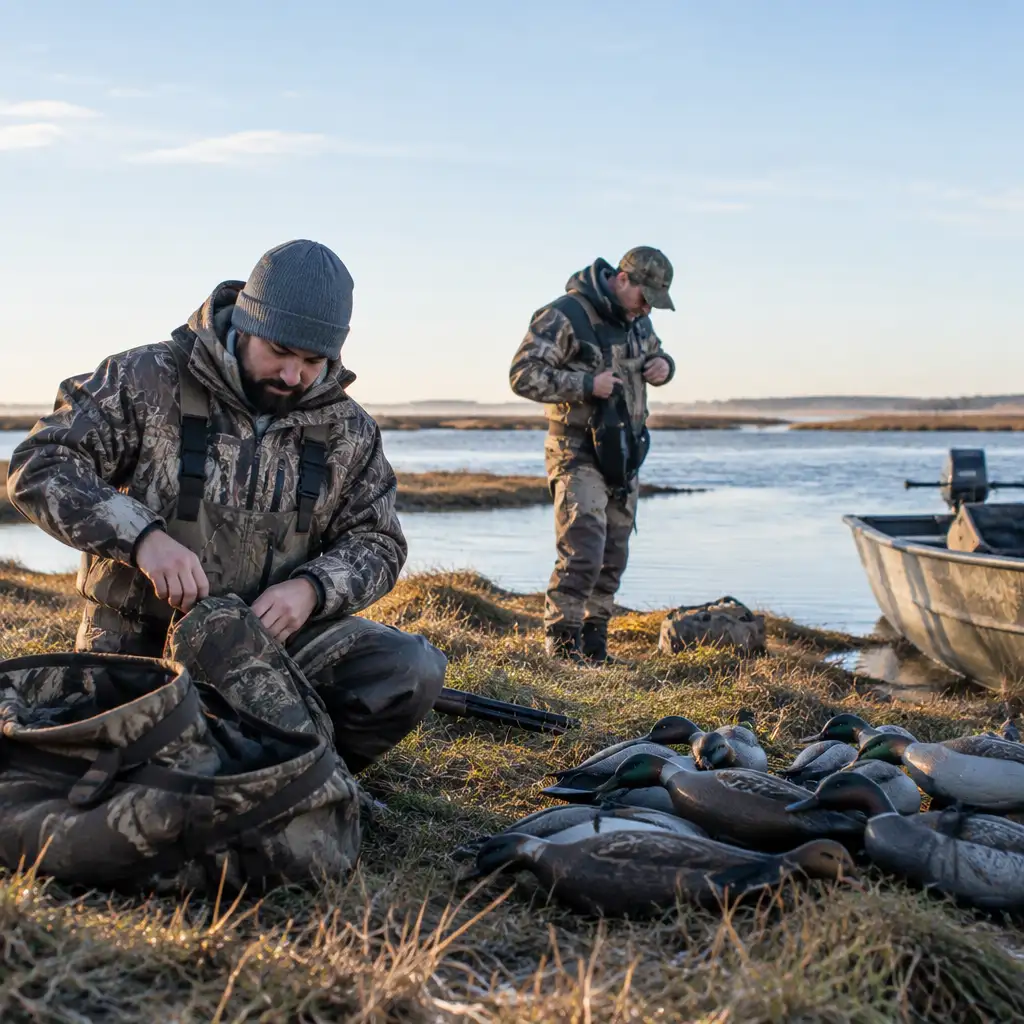
As the season approaches, hunters and guides on Cape Cod are turning attention toward winter waterfowl opportunities and the planning that makes safe, successful outings possible. Now is the time to begin planning gear, boat logistics, licensing, and conservation-minded approaches for guided duck hunts Cape Cod—especially for outings staged from Chatham where tides, wind, and migration timing shape each trip.
Magic Fishing Charters operates guided outdoor experiences from Chatham, and our seasonal approach emphasizes safety, realistic expectations, and local knowledge. Hunters should start planning now so they can assemble proper cold-weather clothing, confirm licensing and federal compliance, and book guided trips before prime dates fill up.
Winter duck hunting on Cape Cod is rewarding but variable: species presence, weather, and access can change quickly. This guide covers cold-weather clothing and layering, boat and blind safety, licensing requirements, a practical pre-season checklist, local weather and migration notes, and conservation best practices to help you prepare intelligently for the upcoming season.
Cold-Weather Clothing and Layering for Cape Cod Waterfowl Hunts
Winter on Cape Cod can present cold winds, salt spray, and damp conditions that quickly sap body heat. Start with a three-layer system: a moisture-wicking base layer, an insulating mid-layer (fleece or wool), and a waterproof/windproof outer shell. Breathable waterproof shells are essential for boat-based hunts where spray and light precipitation are common.
Footwear and hand protection are critical. Insulated, waterproof boots with good traction help keep feet dry and warm when stepping from boat to blind or wading short distances. Bring multiple pairs of socks and consider a thin liner sock plus a thicker wool or synthetic outer sock to balance warmth and moisture control. Neoprene or insulated gloves paired with a set of mittens can give dexterity for shooting while allowing warmth when needed.
Accessories often overlooked make a big difference: a warm hat that covers the ears, a buff or neck gaiter for wind protection, and sunglasses to reduce glare off open water. Pack an extra insulated layer in a dry bag on the boat in case conditions worsen. Dress with the expectation that weather can change during the day—layers allow you to adjust without cutting the hunt short.
Boat and Blind Safety: Equipment, Communication, and Emergency Planning
When hunting from a boat or blind on Cape Cod, safety planning should match the same level of priority as firearms safety. Every vessel should be equipped with Coast Guard-required safety gear: life jackets for each person, throwable flotation devices, a VHF radio or reliable cell-phone backup, and visual signaling devices. Guides should brief all participants on where safety gear is stored and how to use it before departure.
Blind and boat staging require attention to stability and secure footing. Portable blinds should be anchored properly and inspected before each hunt for wear or water intrusion. Avoid overloading small boats with gear; distribute weight evenly and keep movement controlled when getting in and out to reduce the risk of swamping. Guides will often make conservative decisions about launching or leaving a blind based on wind strength and tide conditions.
Communication plans are also essential. Establish a check-in schedule with someone on shore, carry a charged mobile phone in a waterproof case, and, if available, use a personal locator beacon (PLB) when hunting in exposed or remote areas. Emergency first-aid training focused on hypothermia recognition and treatment is useful for every participant, and guides typically carry a basic medical kit on board.
Licensing, Federal Compliance, and Local Regulations from Chatham
Now is the time to confirm licenses and endorsements required for winter waterfowl hunting. Federal migratory bird regulations apply across states; hunters must hold a valid U.S. Migratory Bird Hunting and Conservation Stamp (the Federal Duck Stamp) in addition to the Massachusetts state hunting license. Non-resident hunters should verify current reciprocity rules and stamp requirements before arrival.
Massachusetts also has specific waterfowl seasons, bag limits, and equipment restrictions that vary by species and region. Hunters should review current regulations published by the Massachusetts Division of Fisheries & Wildlife and confirm any seasonal updates that affect Chatham waters. Guides operating guided duck hunts Cape Cod will generally require proof of appropriate licensing before taking clients afield.
Safety and compliance extend to firearms transport and storage when moving between shore, boat, and blind. Keep firearms unloaded and actions open until you are on a prepared shooting platform and your guide has given the all-clear. Avoid any practices that could be interpreted as encouraging illegal harvest; guides abide by state and federal law, and clients must do the same.
Pre-Season Booking Checklist for Guided Duck Hunts Cape Cod
Now is the time to begin planning and booking guided hunts. Popular dates can fill quickly, and booking early gives you flexibility to choose optimal tidal windows and species targets. A practical pre-season checklist includes: confirming your license and Federal Duck Stamp, checking guide availability, and reviewing weather cancellation policies.
Prepare an equipment list well before your trip. Essential items include layered clothing, waterproof boots, eye and ear protection, shotgun and appropriate ammunition, and a dry bag for extra layers and personal items. If you have a specific mobility or medical concern, disclose it when booking so the guide can plan appropriately and provide necessary accommodations.
Consider logistical details: rendezvous points in Chatham, timing relative to tide and light, transportation to and from the launch, and expected shore return times. If you are new to guided waterfowl hunts, ask the guide about expectations for shooting proficiency and field etiquette. For local guided options, Magic Fishing Charters lists seasonal opportunities and can help with planning your trip from Chatham.
Understanding Local Weather, Tides, and Duck Migration Patterns
Local weather, tides, and duck migration patterns heavily influence winter duck hunting success on Cape Cod. As the season approaches, pay attention to cold fronts and northerly winds that can push ducks into sheltered bays and salt marshes. Conversely, warm spells and southerly winds may cause birds to shift to open water or move off Cape Cod entirely.
Tides are a critical component for planning boat-based hunts out of Chatham. Lower tides expose feeding flats and marsh edges where ducks concentrate; higher tides can push birds into protected pockets that are accessible by boat. Guides use local tidal charts and years of observation to select launch times that match the targeted species’ feeding and roosting behavior.
Species-specific patterns matter as well. Sea ducks, like scoters and eiders, tend to stage in open water and feed on shellfish, while dabbling ducks prefer shallow marshes. Understanding these tendencies—guided by local expertise—helps set realistic expectations for what species may be present on any given day.
Conservation, Ethics, and Responsible Harvesting on Cape Cod
Conservation is central to responsible hunting. Hunters should harvest within legal limits, report banded birds if encountered, and follow best practices that minimize disturbance to non-target wildlife and habitats. As the season approaches, review conservation messaging from local resource agencies and understand how your actions support healthy duck populations.
Respect for habitat is also part of ethical hunting. Avoid driving vehicles through sensitive marsh vegetation, minimize noise and trash, and follow guide instructions for accessing blinds and staging areas in ways that reduce erosion or plant damage. Many guided duck hunts Cape Cod prioritize habitat stewardship and will incorporate low-impact approaches into every trip.
Finally, realistic expectations help maintain long-term sustainability. Weather and migration are variable, and harvest pressure should never exceed regulatory limits. Working with licensed, experienced guides supports conservation outcomes because guides know seasonality, selective harvest practices, and local regulations that protect populations and habitats.
Frequently Asked Questions
Q: When should I book a guided duck hunt from Chatham?
A: Now is the time to begin planning. Bookings are best made several weeks to months ahead of peak winter dates to secure favorable tide windows and experienced guides. Early planning also ensures that your licensing and equipment are in order before the season opens.
Q: What licenses do I need for winter waterfowl hunting in Massachusetts?
A: Hunters must carry a valid Massachusetts hunting license and the Federal Duck Stamp for migratory birds. Check the Massachusetts Division of Fisheries & Wildlife website for current season dates, bag limits, and any regional regulations that apply to Chatham waters.
Q: What should I expect from a guided duck hunting trip with a charter service?
A: Expect a safety briefing, a discussion of local conditions, and guidance on blinds, calls, and shot selection. Guides emphasize conservative decision-making around weather and sea conditions, and they will enforce legal and ethical harvest practices. Guided trips provide local knowledge and logistical support to improve safety and the overall experience without guaranteeing a harvest.
Planning ahead for guided duck hunts on Cape Cod? Magic Fishing Charters offers seasonal duck hunting opportunities for licensed hunters during regulated hunting seasons. Duck hunts are $300 per person. Call 1-508-737-3367 to discuss scheduling, licensing, safety, and seasonal availability.