


Introduction
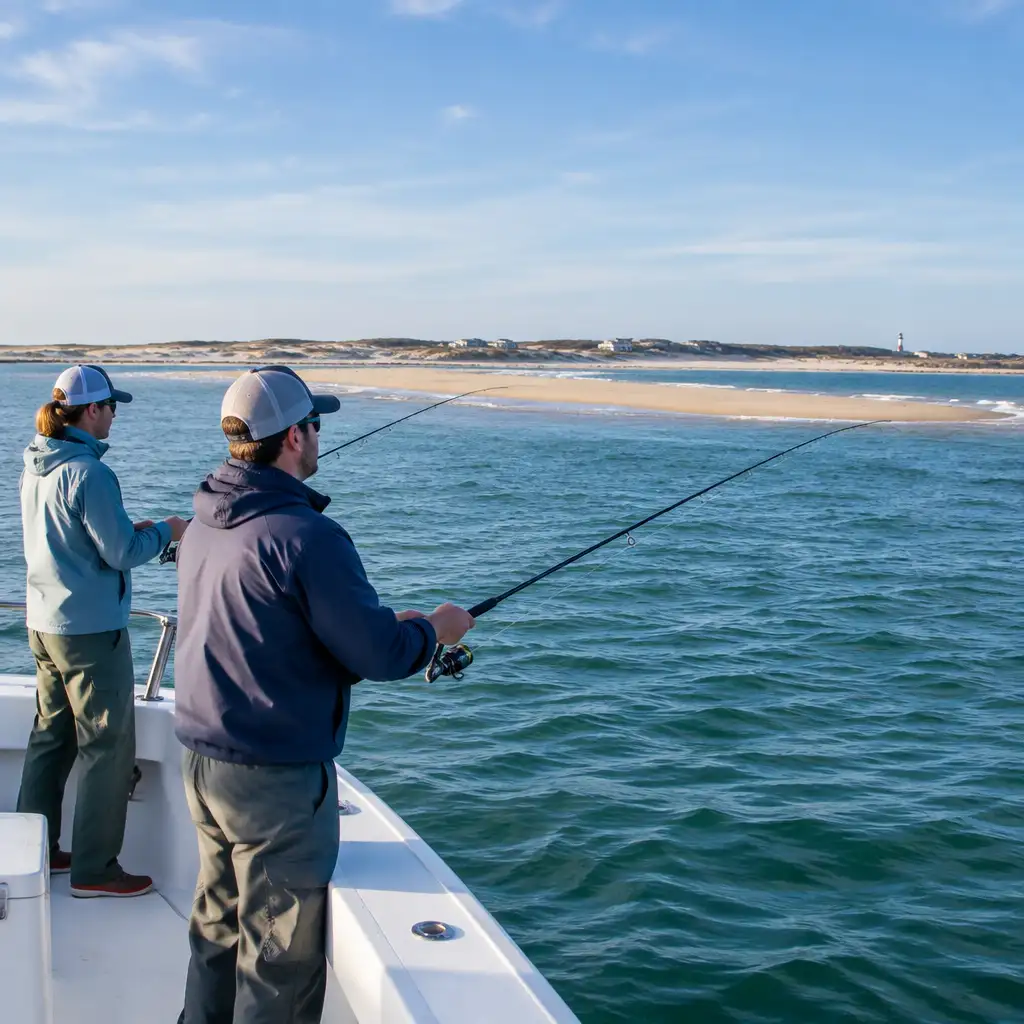
As the season approaches, now is the time to begin planning for early spring striped bass fishing out of Chatham, Massachusetts. Anglers who prepare during the winter months increase their chances of productive and safe trips when the fish begin moving back into Cape Cod waters. This planning guide focuses on actionable steps recreational anglers can take now to be ready for inshore and nearshore striped bass opportunities as spring arrives.
Chatham and surrounding waters—Nantucket Sound, Vineyard Sound, and nearby nearshore grounds—offer varied early-season fishing as water temperatures climb. Striped bass behavior changes quickly with tides, bait movement, and temperature, so realistic expectations and local knowledge are key to success. Magic Fishing Charters draws on years of local experience to help anglers plan trips that match seasonal patterns and sea conditions.
This article covers what to watch for (water temperature and bait), equipment and tackle choices, bait and lure recommendations, timelines for booking Chatham charters, and safety and conservation reminders. If you are planning a Cape Cod getaway or organizing a local day out, these winter preparations will put you in the best position when spring fishing arrives.
Understanding early spring striped bass behavior near Chatham
Striped bass are migratory predators whose movements are driven by water temperature and bait availability. In early spring, stripers often stage along coastal bars, channels, and sand flats as they move northward into Cape Cod waters. Inshore areas around Chatham can produce early action when baitfish such as sand eels and small schools of menhaden become active.
As the season approaches, anglers should expect variable behavior: some days the fish will be tight to structure and edges; other days they will roam broader nearshore grounds following streaming schools of bait. Local current patterns around the elbow of Cape Cod concentrate bait and trigger short feeding windows, so timing a trip to tides and wind conditions is important.
Nearshore and inshore trips offer different windows of opportunity. Inshore trips—inside Nantucket Sound and close to Chatham’s shoreline—can be productive earlier in the spring. Nearshore grounds in Vineyard Sound and the adjacent Atlantic edges often warm slightly later and may hold larger aggregations as spring progresses. Knowing the differences ahead of time helps you choose the right trip for your group and goals.
Timing and water temperature tracking for early spring trips
Water temperature is one of the best early indicators of striped bass activity. Many local anglers watch surface and near-surface readings: when temperatures move consistently into the mid-40s°F and higher, bait becomes more active and stripers begin to feed more aggressively. Pay attention to multi-day trends rather than a single warm day; sustained warming matters more than a short spike.
During the winter months you can track conditions using NOAA buoy data, regional marine forecasts, and local marina reports. Keep notes on tide cycles too—spring tides and tidal rips off bars can concentrate bait and dramatically increase catch opportunities. Bookmark trusted sources so you can quickly assess conditions in the weeks before your charter.
Because conditions can flip quickly in early spring, flexibility helps. If you are booking a short trip, aim for days with steady warming trends and favorable tides. If you have the option to reschedule with your charter operator, discuss flexible dates and backup plans that account for chilly water or rough seas.
Tackle, rods, reels, and line: a winter checklist
Preparing tackle during the winter saves time and reduces stress when spring arrives. For early spring striped bass fishing from a Chatham charter, bring a range of rod and reel setups: a medium-heavy spinning or conventional rod around 7–8 feet for jigs and plugs, and a slightly lighter spinning rod for finesse presentations or soft plastics. Reels in the 3000–4000 size class for spinning, or 20–30 size conventional reels, are common for inshore work.
Line selection matters with changing water and bait conditions. Many anglers run braided mainline (20–50 lb test) with a fluorocarbon leader (20–40 lb) to balance sensitivity and abrasion resistance. If you expect larger fish or live bait work, step up your leader strength accordingly. Have a variety of jig weights—from 1/4 oz to 2 oz—so you can fish shallow bars or deeper edges as needed.
Winter prep should also include checking reels for salt corrosion, replacing worn guides, and spooling fresh line. Organize a tackle bag with terminal tackle: snaps, swivels, split rings, hooks, jigs, and spare leaders. Labeling gear boxes and packing a small tool kit (pliers, dehooker, extra rod butt, rigging tools) keeps the pre-trip launch efficient and professional.
Baits, lures, and live bait considerations for spring starts
Early spring striped bass often key on a few high-value baits. Sand eels and small forage fish are staples; soft plastics that mimic sand eels, small swimming plugs, and slender metal jigs can be effective when fish are feeding aggressively. For bait anglers, fresh mackerel strips, live or whole sand eels when available, and bucktail jigs tipped with bait are reliable options.
Match the hatch: when you see small schooling bait near the surface, downsize lures and work them with a natural cadence. Slow, deliberate retrieves often outperform frantic action when water is still cold. Conversely, as temperatures rise and bait becomes more active, a faster retrieve or twitching plug can trigger reaction strikes.
Discuss bait availability with your charter. Some charters provide fresh bait; others ask anglers to bring their own. If you plan to use live bait, confirm whether the charter supplies pumps or livewells and whether regulations or local practice affect bait use. Conserving bait and using circle hooks where appropriate can help minimize harm when releases are necessary.
Booking timelines and working with Chatham charters
Now is the time to begin planning your charter if you hope to fish early spring. Popular spring dates—weekends, school vacation weeks, and long weekends—tend to book quickly. A practical rule of thumb is to contact charter operators 60–90 days ahead for desired dates and early mornings, and consider weekday options for better flexibility and less crowding on the water.
When you reach out to a Chatham charter, have basic trip details ready: preferred dates and times, group size, experience level, and whether you want inshore or nearshore focus. Operators can recommend the best timing based on local trends in Nantucket Sound and Vineyard Sound, advise on tackle or bait, and explain cancellation or rescheduling policies in the event of weather or unfavorable sea conditions.
Magic Fishing Charters emphasizes local fishing expertise and realistic expectations, so discuss likely conditions and success windows with your guide ahead of booking. If you are planning a trip around a family schedule or a special event, early communication gives the captain more ability to suggest the best dates and backup plans.
Safety, conservation, and realistic expectations for early spring trips
Safety first: early spring can bring cold air and water temperatures. Dress in warm, layered clothing and pack waterproof outerwear. Bring an extra set of dry clothes in a sealed bag, non-slip footwear, and personal flotation devices as recommended by the charter. Discuss seasickness prevention options with your guide if you are prone to discomfort; many captains can advise on medications or natural remedies and on choosing calmer departure windows.
Conservation is part of planning. Massachusetts has size and bag limits for striped bass that protect the fishery. Before your trip, review current regulations and understand handling and release practices. Using circle hooks when fishing with bait, minimizing fight times on released fish, and following local guidance all support sustainable striped bass fishing for future seasons.
Set realistic expectations: early spring can produce excellent days, but conditions vary—cold snaps, wind, and shifting bait can limit action. A well-planned trip focuses on learning local patterns, practicing techniques, and enjoying Cape Cod’s coastal scenery as much as the chance of catching fish. Local expertise from experienced guides helps translate a variable season into valuable fishing and educational experiences.
Frequently Asked Questions
Hidden heading for structure compliance
Q1: When is the best time to schedule an early spring striped bass trip from Chatham?
A1: As the season approaches, many anglers book trips 60–90 days in advance for the best dates. Aim for days with a steady warming trend and favorable tides; your charter can help pick specific windows based on current local conditions.
Q2: What should I expect from a charter regarding gear and bait?
A2: Many Chatham fishing charters carry basic tackle, electronics, and some bait, but policies vary. Discuss whether you should bring specific rods, lures, or live bait when you confirm your booking. Confirming details in winter helps avoid last-minute surprises.
Q3: How do regulations and conservation affect early spring trips?
A3: State size and bag limits apply to striped bass; regulations can change seasonally. Follow your captain’s guidance on legal limits, best handling practices for safe release, and local conservation recommendations to support healthy fisheries.
Planning during the winter gives you an advantage when spring approaches. From tracking water temperatures and organizing tackle to reserving a Chatham charter and discussing bait and safety with your captain, early preparation leads to more productive and enjoyable days on Cape Cod waters. For anglers of all experience levels, a thoughtful winter checklist and local guidance turn seasonal patterns into better outcomes and safer trips.
The best Cape Cod fishing experiences often begin with good planning. Whether you are looking ahead to striped bass season, bluefish action, offshore tuna trips, or a family-friendly day on the water, Magic Fishing Charters can help you understand what to expect as the season approaches. Call 1-508-737-3367 to start planning your trip.