


Introduction
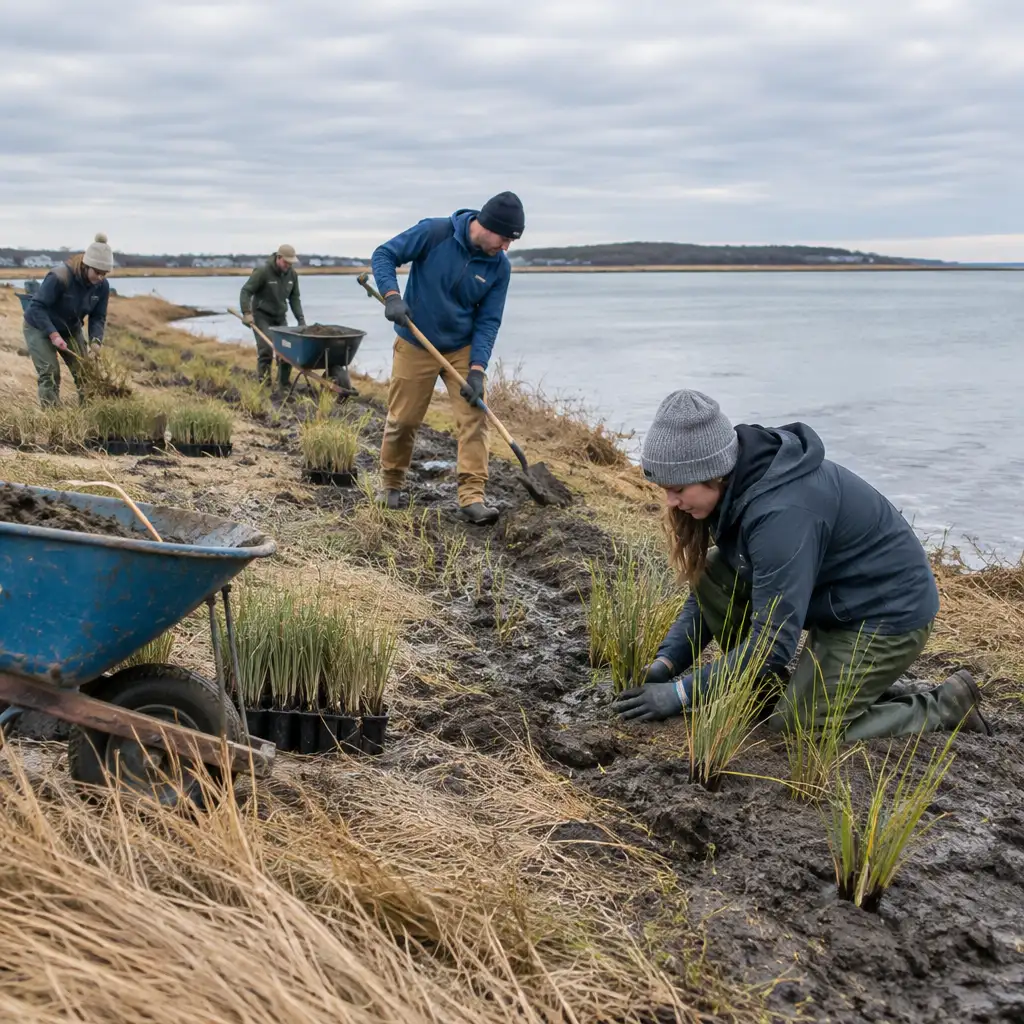
As the colder months approach, hunters and outdoor enthusiasts on Cape Cod and in Chatham, MA have a unique opportunity to support healthy waterfowl populations before the next season begins. Looking ahead to the upcoming winter season, now is the time to begin planning conservation activities that directly benefit the birds, the habitats they rely on, and the future of sustainable waterfowl hunting on Cape Cod.
For licensed hunters and volunteers, winter is a practical season for habitat work, reporting and monitoring, equipment maintenance, and partnering with local conservation groups. These efforts not only improve survival and food availability for ducks and other coastal species, they also reinforce responsible harvest practices and legal compliance for the next open season.
Magic Fishing Charters and local outfitters see the link between healthy habitats and long-term hunting opportunities. If you are planning ahead for seasonal trips or guided experiences, understanding how conservation actions taken now affect the coming seasons is essential. For information on guided services and seasonal planning, visit Magic Fishing Charters for local fishing and guided hunt options.
Why winter conservation matters for waterfowl on Cape Cod
Winter is a critical time for waterfowl survival and recovery. On Cape Cod, birds that use coastal marshes, estuaries, and nearshore waters face seasonal stressors including reduced food availability, harsh weather, and habitat erosion. By taking targeted actions in the months before the hunting season, hunters and volunteers can improve overwinter survival and breeding-condition readiness for many species.
Conditions in Nantucket Sound and Vineyard Sound influence food resources and shelter for ducks and other waterfowl. Restoring marsh vegetation, protecting shellfish beds, and reducing disturbance in key roosting areas during winter all help maintain the ecological functions these birds depend on. Seasonal patterns often indicate where conservation work will have the greatest payoff, so local knowledge of Cape Cod habitats is especially valuable.
From a management perspective, winter conservation also reduces stress on populations ahead of spring migration and nesting. Hunters who invest time in habitat work or monitoring during winter help ensure that harvest opportunities in future seasons remain sustainable and aligned with state and federal regulations.
Volunteer habitat restoration: marsh work, shellfish reefs, and upland cover
One of the most direct ways hunters can contribute is by volunteering for habitat restoration projects. Organizations across Cape Cod run winter and early-spring stewardship days where volunteers plant native cordgrass (Spartina), remove invasive species, build brush piles for cover, or help stabilize eroding shorelines. These activities improve food and shelter availability for dabbling and diving ducks alike.
Restoration work can also include supporting oyster and clam restoration projects that boost benthic food webs. Healthy shellfish beds filter water and support invertebrate communities that many waterfowl feed on. Volunteer opportunities can range from hands-on planting to shoreline cleanup and citizen-science monitoring; check local conservation calendars for scheduled events.
When participating in habitat projects, follow safety guidance and local permitting rules. Many volunteer programs provide tools, gloves, and site orientation. Working with groups that understand local tidal cycles and property boundaries ensures restoration actions are effective and legally compliant for public and private lands on Cape Cod.
Participating in reporting and banding programs: sightings, eBird, and HIP
Winter is also an excellent time to help researchers by reporting sightings and participating in banding or monitoring programs when opportunities are available. Submitting observations to platforms like eBird supports long-term data on species distribution and abundance across Cape Cod. Reporting unusual numbers or species helps wildlife managers assess population trends and habitat needs.
Licensed hunters should ensure they are familiar with the Harvest Information Program (HIP) and any state harvest reporting requirements. HIP registration is a component of migratory bird management and helps managers estimate hunter participation and harvest levels. Participating honestly in harvest surveys and band returns contributes to sound regulatory decisions.
Where authorized, engaging with university or MassWildlife-led banding projects can provide hands-on learning about species movements and survival. If you find a banded bird or receive a band return report, report that information through the USGS Bird Banding Laboratory or the project contact provided—these data are vital to understanding migratory connectivity and informing conservation priorities.
Ethical harvest practices hunters can prepare over winter
Winter is the right time to review and practice ethical harvest techniques, equipment maintenance, and safety protocols. Clean, well-tuned calls, decoys, blinds, and personal flotation devices contribute to safe and humane hunting. Practicing marksmanship at authorized ranges, re-familiarizing yourself with safe firearm handling, and maintaining shot sizes appropriate for species all reduce wounding and improve harvest effectiveness.
Ethical hunting also includes minimizing disturbance to non-target wildlife and respecting roosting and staging areas. Consider scouting sites in non-breeding months and using that knowledge to avoid sensitive areas during critical times. Hunters should also update licenses, ensure HIP registration is current, and be prepared to document any necessary harvest reports at season end.
Additionally, winter is a good time to prepare for mobility and access challenges—plan for tides, ice, and limited daylight. Proper planning reduces safety risks and ensures that hunting activities align with local regulations and conservation goals, preserving access and opportunities for future seasons.
Partnering with local conservation groups and research projects
Partnerships amplify conservation impact. Local organizations active on Cape Cod include Mass Audubon properties (such as Wellfleet Bay), Ducks Unlimited projects, the Cape Cod National Seashore stewardship teams, and community groups focused on estuary protection. These organizations often run winter volunteer days, training sessions, and research projects that welcome experienced hunters and outdoor volunteers.
When reaching out, ask how hunting clubs and individual hunters can contribute skills or funding. Practical support might include donating to habitat restoration funds, sponsoring local banding efforts, or providing volunteer labor for large-scale plantings and shoreline stabilization. Many groups also partner with local businesses and outfitters to coordinate gear donations and outreach events.
Working with these partners helps hunters stay informed about local research priorities and volunteer training. Establishing ongoing relationships means your contributions can be targeted for the greatest conservation return and integrated into long-term management strategies for Cape Cod’s waterfowl populations.
How conservation work supports future hunting and legal compliance
Conservation and hunting are linked: healthy habitats produce resilient populations and more consistent harvest opportunities. By investing time in winter conservation, hunters help maintain the ecological conditions that allow sustainable seasons, supports local traditions, and reduces the need for restrictive regulations down the line. Many management decisions are informed by data gathered in non-hunting months, so your volunteer hours and reporting efforts matter.
Compliance with state and federal migratory bird laws is central to preserving hunting opportunities. Hunters should maintain proper licenses, follow bag and possession limits, and participate in required reporting programs. Conservation work conducted in winter complements these legal obligations by improving the conditions that agencies monitor when setting seasons and limits.
Local outfitters and services that run guided experiences, including guided duck hunts, also benefit from robust conservation outcomes. If you plan to book guided trips in Chatham or nearby waters, supporting habitat work and local research now helps ensure those opportunities remain available and enjoyable for future seasons.
Frequently Asked Questions
Q1: When is waterfowl season on Cape Cod, and how should hunters plan?
A: Season dates vary by species and are set by state and federal regulators. As the season approaches, hunters should check the Massachusetts Division of Fisheries and Wildlife regulations, complete any required HIP registration, renew licenses, and plan safety and access logistics. Now is the time to begin planning gear maintenance, scouting, and volunteer conservation activities to support habitat ahead of the season.
Q2: How can I volunteer locally this winter to help waterfowl?
A: Look for winter stewardship days with organizations like Mass Audubon properties, Ducks Unlimited, Cape Cod National Seashore volunteer programs, local watershed associations, and town conservation commissions. Activities commonly include marsh planting, invasive species removal, shoreline cleanup, and citizen-science monitoring. Contact local groups directly or check their event calendars to sign up and receive site-specific safety instructions.
Q3: What should I expect from a guided duck hunt and how does conservation tie in?
A: Guided hunts prioritize safety, legal compliance, ethical harvest practices, and respect for habitat. A reputable guide will brief you on local regulations, safety protocols, and best practices for minimizing disturbance. Conservation work in the off-season supports the habitats and food resources guides rely on, so hunters who volunteer or donate help maintain the quality and sustainability of guided duck hunts. For guided options and seasonal planning, consider booking with local providers who emphasize conservation and safety.
Planning ahead for guided duck hunts on Cape Cod? Magic Fishing Charters offers seasonal duck hunting opportunities for licensed hunters during regulated hunting seasons. Duck hunts are $300 per person. Call 1-508-737-3367 to discuss scheduling, licensing, safety, and seasonal availability.